Response:
Concerns about the HPV vaccine causing infertility in men are unfounded, according to extensive research and global health organizations. The HPV vaccine is highly effective in preventing HPV infections and related diseases, including certain cancers, and has no established link to infertility.
The human papillomavirus (HPV) causes genital warts and various HPV-related cancers, such as cervical, vulvar, vaginal, and anal cancers. The virus primarily spreads through sexual contact and skin-to-skin contact. In some cases, it can be transmitted from mother to child or via personal items contaminated with the pathogen.
The World Health Organization (WHO), the US Centers for Disease Control and Prevention (CDC), and numerous studies confirm the HPV vaccine's high efficacy in preventing infection from various HPV strains and associated diseases. To prevent and control cervical cancer, the Ministry of Health recommends women undergo regular screenings, receive early treatment for precancerous lesions if present, and get the HPV vaccine as guided.
The apprehension regarding the HPV vaccine causing infertility originated from a 2014 report in Australia concerning three girls aged 16-18 who experienced ovarian failure after vaccination. However, subsequent large-scale studies have found no evidence linking the HPV vaccine to infertility. The Global Advisory Committee on Vaccine Safety also concluded there is no association between HPV vaccination and this condition.
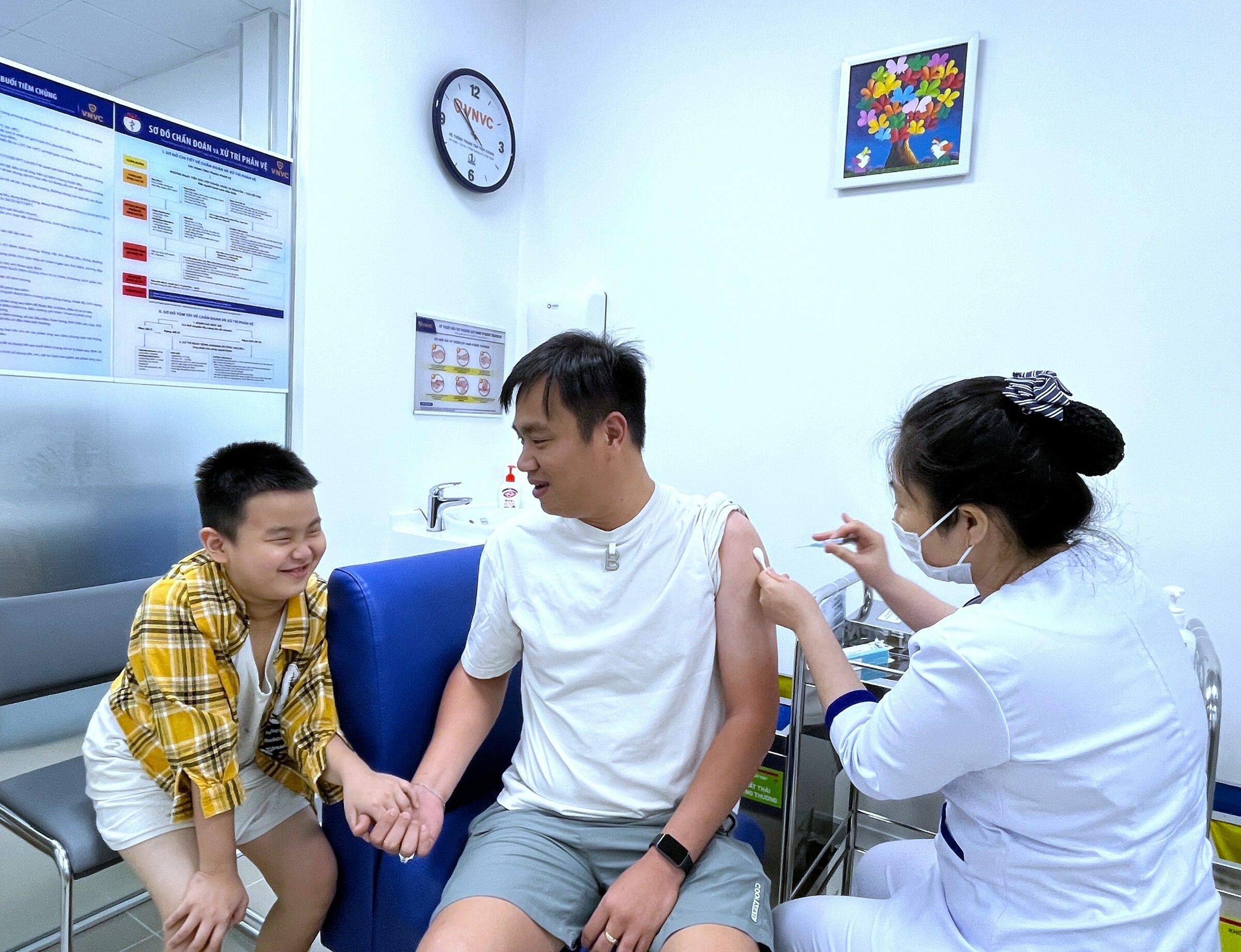 |
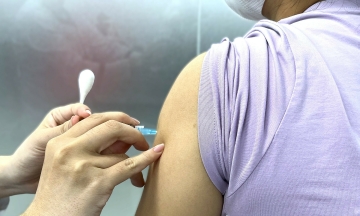
Two fathers and their children receive the Gardasil 9 HPV vaccine for disease prevention at VNVC Dien Bien Phu. Photo: Dieu Thuan
Infertility and difficulty conceiving are increasingly common among young couples. Approximately 15% of couples experience infertility, with male factors contributing to about half of these cases. Causes can include low sperm count, abnormal or poorly mobile sperm, reproductive tract blockages, absence of sperm production, injury, chronic illness, stress, work pressure, and lifestyle factors.
Men with HPV-related diseases, such as genital warts or oropharyngeal cancers, can also experience impacts on their reproductive health and an increased risk of transmitting the virus to their partners. Therefore, both you and your boyfriend should get the HPV vaccine as advised by a doctor. You can receive one of the two HPV vaccines, while your boyfriend can get the Gardasil 9 vaccine. Your vaccination schedule will consist of three doses, administered six months apart.
In addition to vaccination, both of you should undergo pre-marital health check-ups and pre-pregnancy screenings to detect any abnormalities early and facilitate timely treatment. You both also need to practice safe and monogamous sexual relations, avoid tobacco, limit alcohol consumption, maintain a healthy diet, and exercise regularly to enhance your overall health.
Doctor Nguyen Cong Luan
Chief Resident Physician, Medical Manager, VNVC Vaccination System
Readers can submit vaccine consultation questions for doctors to answer here.