Recently, my skin turned red, felt irritated, and developed small visible blood vessels. Could this be a cosmetic product containing corticoids? (Mai, Phu Tho)
Corticoids are potent anti-inflammatory agents, typically prescribed by doctors for treating certain skin conditions like atopic dermatitis, eczema, psoriasis, or skin allergies. However, some unregulated mixed creams or unverified cosmetic products now contain added corticoids. These are used to achieve rapid skin whitening, reduce inflammation, and clear acne quickly, often without the user's knowledge.
Common signs of cosmetics suspected to contain corticoids include unusually rapid skin changes within a few days to about one week of use. Users might notice significantly brighter skin tone, a plump and smooth appearance, or a quick reduction in inflammatory acne.
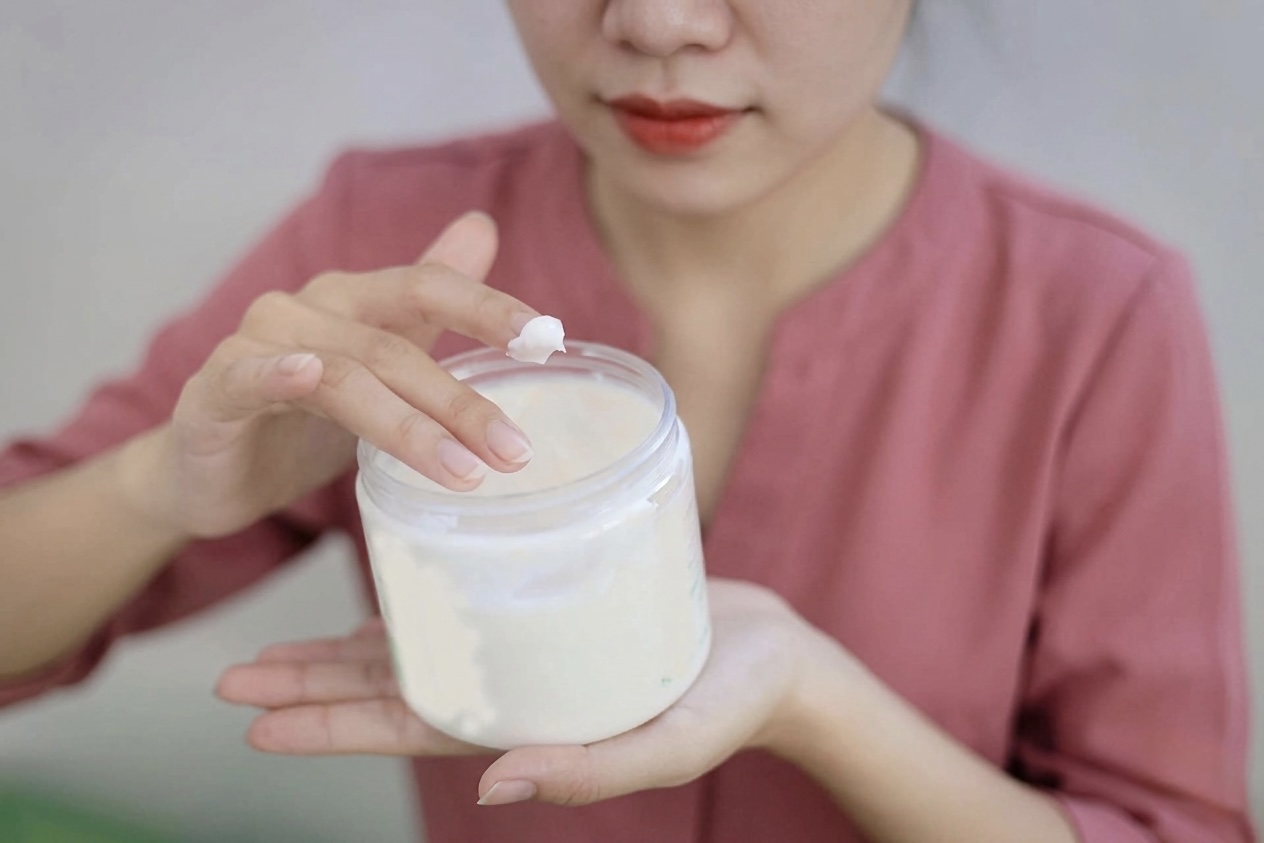 |
Cosmetic products that promise rapid whitening and lack clear origins may contain corticoids. *Illustration: Thuy Hanh*.
Corticoids possess strong anti-inflammatory properties, temporarily constricting blood vessels and reducing inflammatory responses on the skin. This creates the sensation of rapidly improved skin. However, genuine skin improvement for issues like acne, hyperpigmentation, or uneven skin tone is rarely achieved in such a short period. Therefore, caution is advised when purchasing and using products advertised for instant whitening, rapid acne treatment, or skin regeneration in just a few days.
After prolonged use of corticoid-containing cosmetics, the skin may begin to show signs of damage. Common symptoms include redness, burning sensations, the appearance of tiny blood vessels under the skin, thinning skin, and increased irritation when exposed to sunlight, hot weather, or warm water. Some individuals experience stinging, peeling, dryness, tightness, or persistent itching.
The appearance of small capillaries on the cheeks or sides of the nose is a typical sign, as corticoids thin the skin and cause prolonged blood vessel dilation. Another indicator is "corticoid dependence." Initially, the skin may look healthy while using the product. However, upon abrupt discontinuation, the skin rapidly flushes red, develops tiny breakouts, becomes itchy and irritated, or darkens again. Some cases see a denser outbreak of inflammatory acne than before using the cream. Prolonged or improper use of corticoids can lead to complications such as skin atrophy, telangiectasia, irritant dermatitis, post-inflammatory hyperpigmentation, steroid-induced acne, and an increased risk of skin infections.
Moreover, not all irritating cosmetics contain corticoids. Skin redness and irritation can also result from allergic reactions to cosmetic ingredients, using high-concentration acids, or products unsuitable for one's skin type. If a product produces unusually rapid whitening effects accompanied by the aforementioned signs, you should consider the possibility of it containing corticoids.
To minimize the risk of using corticoid-containing cosmetics, choose products with clear origins, transparent manufacturer information, and distribution through reputable channels. Do not arbitrarily continue applying or abruptly discontinue products suspected of containing corticoids for extended periods without a doctor's assessment, as the skin may react more severely after stopping the treatment.
If your skin exhibits prolonged redness, visible blood vessels, peeling, or cosmetic dependence, you should consult a dermatologist for an assessment of the cause and appropriate treatment guidance. Recovering skin damaged by corticoids typically requires a combination of proper skincare, irritation avoidance, inflammation management, and long-term monitoring, more so than for common skin issues.
Dr. Duong Quoc Trung
Department of Aesthetics
Tam Anh General Hospital Hanoi
| Readers can submit questions about dermatology and aesthetic skin care here for a doctor's response. |