Early puberty in girls is defined as the appearance of secondary sexual characteristics before 8 years of age, typically beginning with breast development. If these signs appear after a child has turned 8, it is not classified as early puberty but rather the initial phase of normal puberty, though close monitoring is still necessary. In cases where breast development is rapid, height increases sharply, accompanied by pubic hair, underarm hair, acne, body odor, or vaginal bleeding in a short period, parents should take the child to a pediatric endocrinologist for examination.
Families should not independently stop giving milk to children solely out of concern for early puberty. Currently, there is no evidence confirming that milk consumption causes early puberty. The amount of IGF-1 growth hormone in cow's milk is very low and is destroyed when passing through the human digestive system, which is insufficient to alter a child's hormones.
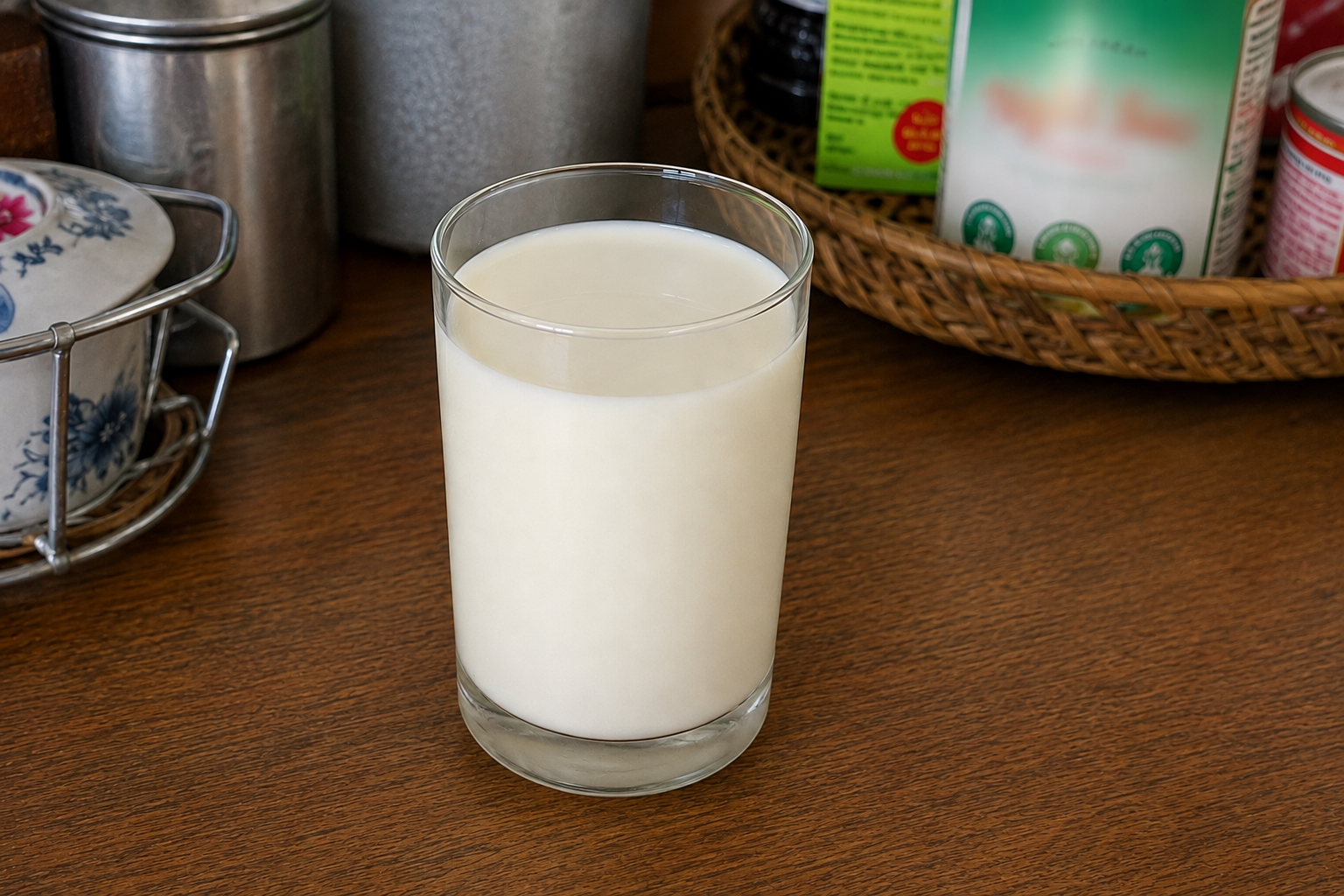 |
Unsweetened milk is suitable for the diet of overweight children. *Photo: Van Anh*
Early puberty is linked to many factors such as genetics, weight, obesity, endocrine disorders, central nervous system disorders, thyroid disease, ovarian cysts, or exposure to hormone sources from medications and cosmetics. Nutrition also plays a role, primarily related to prolonged energy surplus rather than milk consumption alone.
Overweight and obesity are associated with an earlier onset of puberty in girls. Therefore, parents should pay attention to their child's weight and overall diet. If a child consumes a lot of sugary or high-fat milk, which can lead to rapid weight gain, professional advice should be sought to adjust their entire diet.
If a child is currently drinking two servings of milk daily, the family should consider the volume per serving, the type of milk, whether it is sweetened, and the child's weight. For children with a normal weight and no excessive eating, two appropriate servings of milk can be maintained. Prioritize unsweetened or low-sugar fresh milk. If the child is overweight, the amount of milk can be reduced, switched to unsweetened milk, and adjusted according to a doctor's advice.
The diet for children suspected of early puberty still needs to include four food groups: carbohydrates, protein, fats, vitamins, and minerals. Children should eat a variety of lean meats, fish, eggs, shrimp, crab, tofu, green vegetables, low-sugar fruits, and whole grains. Limit sugary drinks, milk tea, sweets, fast food, sausages, fried chicken, and french fries.
Children need at least 60 minutes of physical activity daily, should limit sedentary time and screen time, and get adequate sleep for their age. Parents should not independently purchase medications or supplements advertised to "inhibit puberty", "detox hormones", or "increase height" for their children. Products with unknown ingredients offer no benefits and may even pose risks of side effects.
Master of Science, Doctor Nguyen Thi Phuong
Department of Nutrition,
Tam Anh Hanoi General Hospital
| Readers can ask nutrition questions here for doctors to answer. |