A femoral neck fracture is a severe type of fracture, particularly dangerous for elderly individuals. When this type of fracture occurs, patients often experience intense pain and are unable to move, stand, or walk, typically requiring prolonged bed rest. While this injury does not directly threaten life, extended periods of immobility can lead to dangerous complications such as pneumonia, pressure sores, deep vein thrombosis, and urinary tract infections, all of which significantly increase the risk of mortality. Therefore, if surgery has been recommended by a doctor, your grandmother should undergo the operation as soon as possible.
Early surgery, performed within 24 to 48 hours after the injury, helps reduce the mortality rate by 5-10% and minimizes serious complications in patients with hip fractures. If surgery is delayed, the mortality rate can increase to 15-20%. The earlier the surgery, the less pain the patient experiences, allowing for quicker recovery of motor function and avoidance of serious complications from prolonged bed rest.
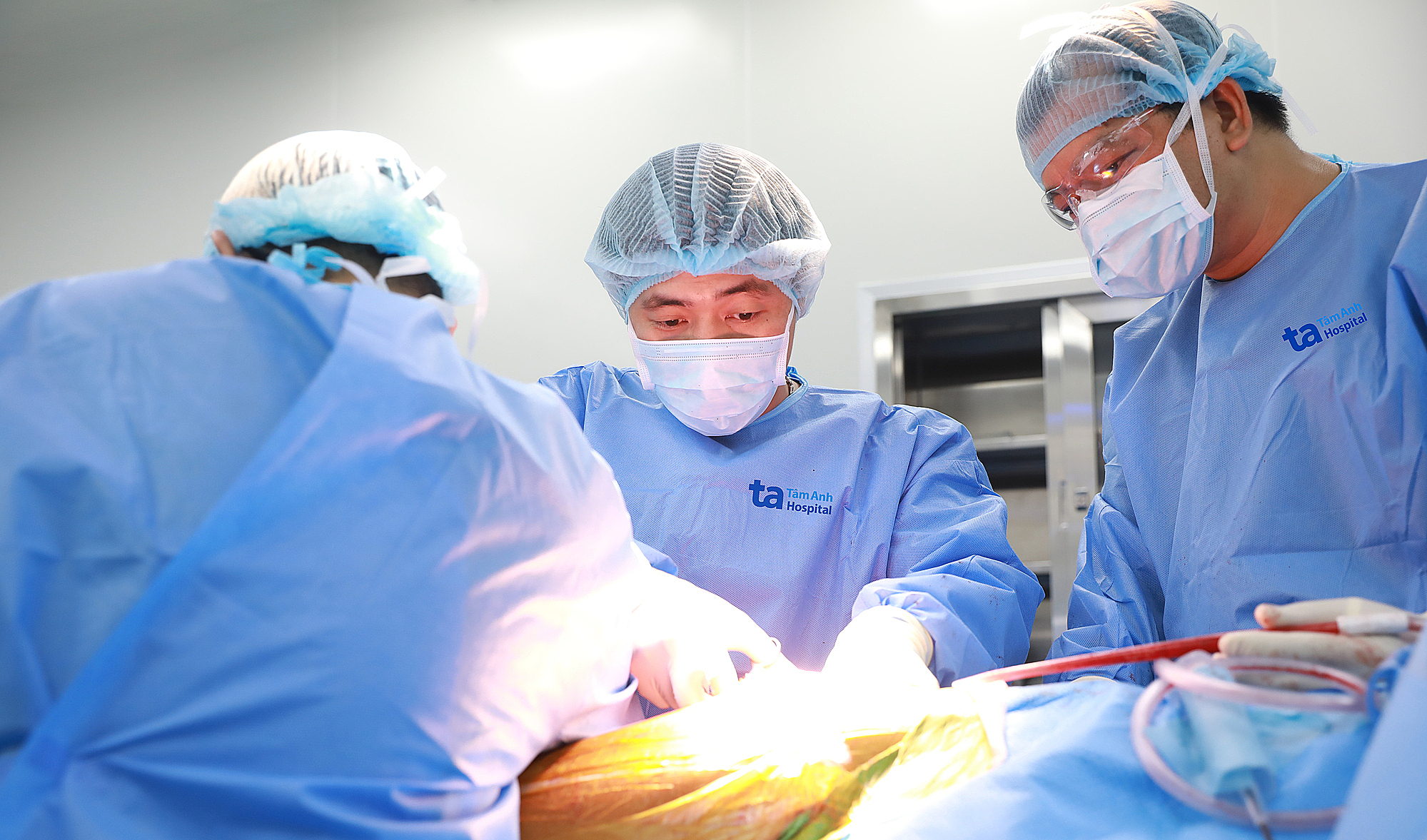 |
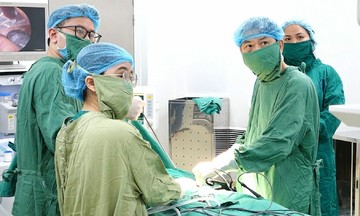
Doctor Loc (center) performs hip replacement surgery on an elderly patient. Illustration: Tam Anh General Hospital |
Before surgery, your grandmother will undergo several paraclinical tests to assess her overall health and underlying medical conditions. If necessary, doctors may recommend stabilizing any internal medical conditions beforehand. Modern hip replacement techniques, such as ABMS, SuperPATH, Anterior Path, and direct anterior approach, can be performed on elderly patients. These are all minimally invasive surgical methods that involve small incisions, less blood loss, and minimal damage to surrounding tendons, muscles, and soft tissues. As a result, patients experience rapid pain relief and can begin rehabilitation, walking one to two days after surgery.
Given your grandmother's multiple underlying health conditions, a multidisciplinary approach is necessary, involving various specialties such as: cardiology, pulmonology, endocrinology, and anesthesia and resuscitation. This collaborative effort ensures a comprehensive assessment and the development of an appropriate treatment plan. Stabilizing underlying medical conditions before surgery is crucial for the procedure to proceed as quickly and safely as possible.
You should take your grandmother for examination at medical facilities or general hospitals equipped with modern equipment. Such facilities can accurately assess her condition, coordinate the treatment of multiple medical conditions, and provide the best possible preparation for surgery.
Master, Doctor Ho Duc Loc
Orthopedic Trauma Center
Tam Anh General Hospital, TP HCM
| Readers can submit questions about musculoskeletal diseases here for doctors to answer |