The common belief that medicated alcohol is a treatment for joint pain is misleading. While it remains a popular remedy, its use does not reflect a true understanding of effective treatment for musculoskeletal conditions.
In traditional medicine, joint pain is often classified as "bi syndrome", linked to imbalances such as wind, cold, dampness, qi-blood stagnation, or liver-kidney deficiency. Medicated alcohol, known for its warming properties, helps circulate qi and blood, potentially easing pain and joint stiffness in specific conditions, particularly those characterized by cold and dampness.
However, for chronic conditions like osteoarthritis, rheumatoid arthritis, or herniated discs, the disease mechanisms are complex, involving structural damage and persistent inflammation. In these instances, medicated alcohol only provides temporary symptom relief and cannot address the underlying cause of the condition.
Ethanol, a component of medicated alcohol, can dilate blood vessels, producing a temporary warming and pain-relieving sensation. While some herbal ingredients may offer mild anti-inflammatory effects, extended use carries risks of liver damage, metabolic disorders, and interactions with other medications. Thus, medicated alcohol is not a definitive solution for joint diseases and should not be misused.
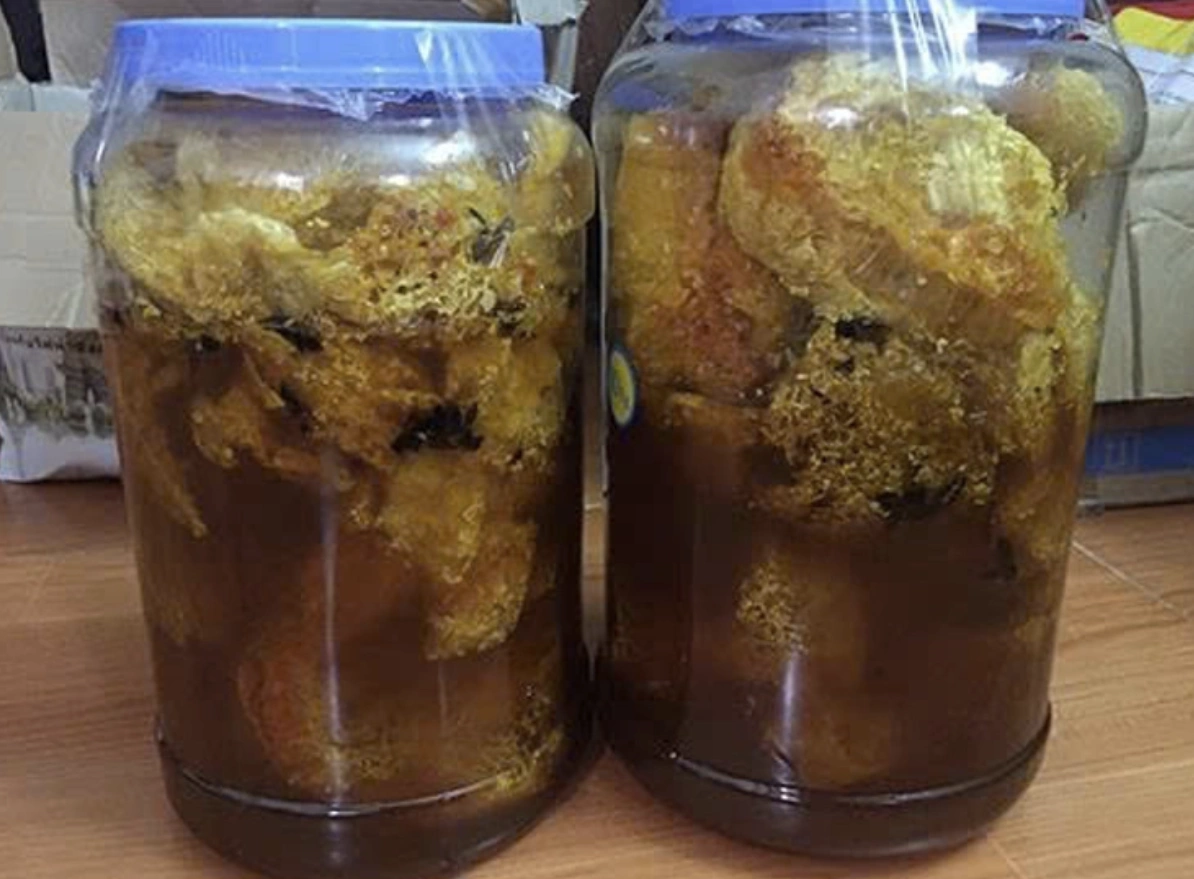 |
Medicated alcohol with beeswax. *Photo: Viet Nam Sweden Uong Bi Hospital*. |
Oral medicated alcohol is not suitable for all types of joint pain. Traditional medicine advises against its use for conditions involving heat symptoms, yin deficiency with internal heat, or acute inflammation presenting with swelling, heat, redness, and pain, as it could exacerbate the condition.
Certain individuals should avoid or strictly limit consuming medicated alcohol:
Individuals with liver conditions such as hepatitis, fatty liver, or cirrhosis.
Those taking pain relievers, anti-inflammatory drugs, anticoagulants, or chronic disease medications.
People with stomach issues, reflux, or peptic ulcers.
Elderly individuals with multiple underlying health conditions.
Pregnant or breastfeeding women.
Individuals with gout or metabolic disorders.
If medicated alcohol use is considered, it should only be applied topically for localized pain relief, avoiding systemic effects.
Doctor Nguyen Thi Diem Huong
University Medical Center TP HCM - Campus 3