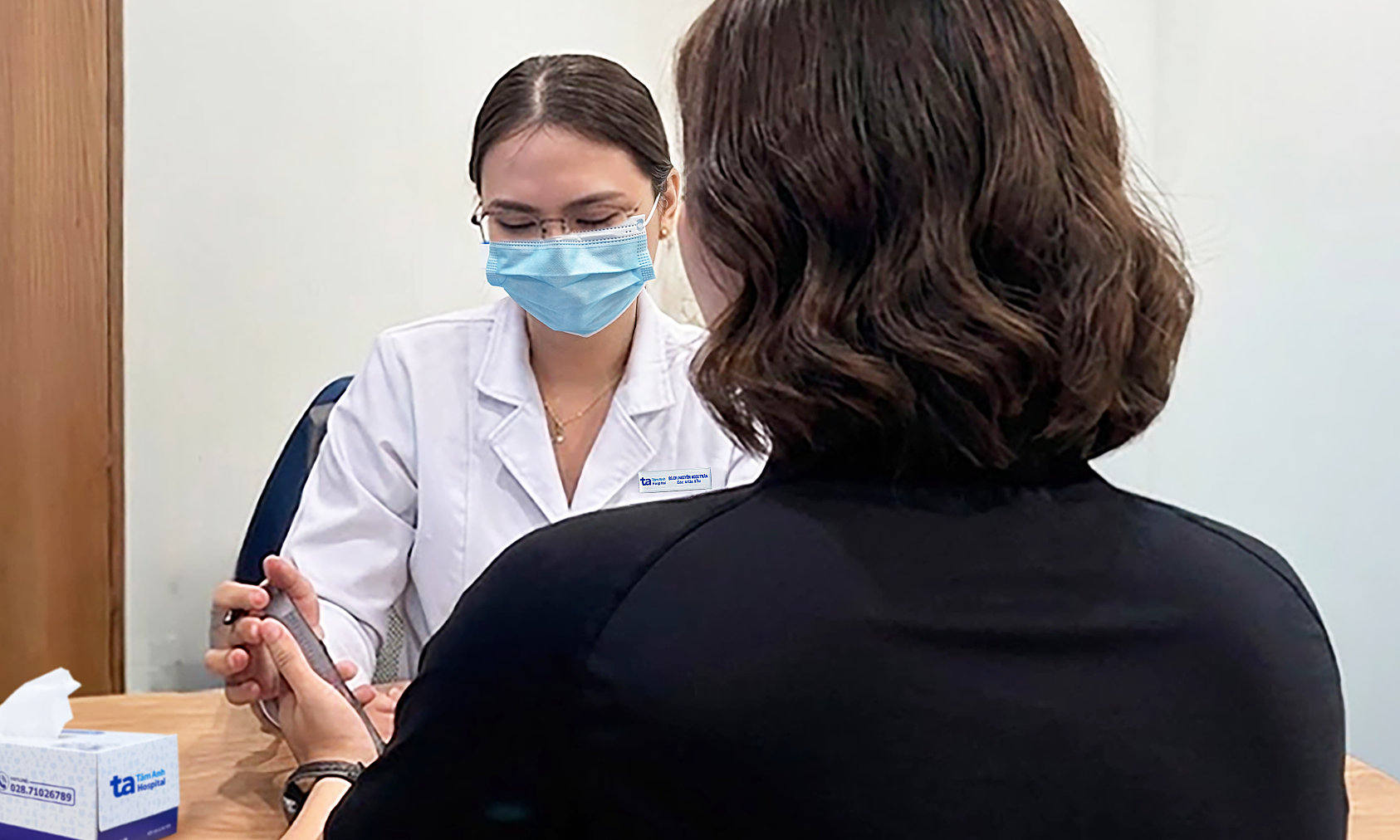
Dr. Nguyen Anh Duy Tung, a specialist in Nutrition and Dietetics at Tam Anh District 7 General Clinic, states that prolonged study, lack of sleep, and continuous screen exposure lead to excessive eye adjustment, which can cause fatigue and dry eyes. Nutrition is vital for eye health, maintaining vision and protecting the retina. Here are some nutrients students should supplement to protect their eyes during exam season.
Vitamin E
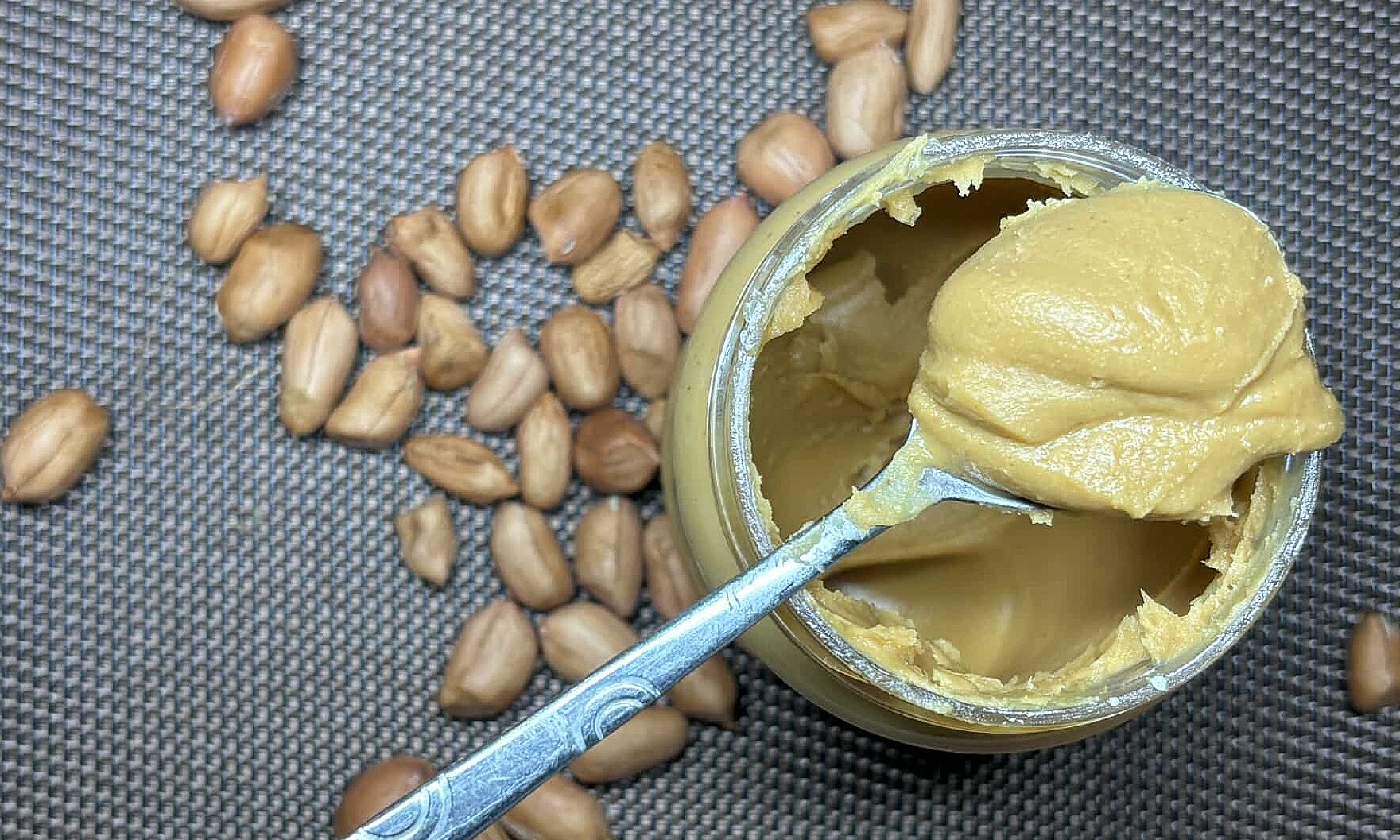
Oxidative stress is a factor linked to vision decline and eye diseases. Vitamin E, an antioxidant, protects eye cells from free radical damage. Students can get this micronutrient from nuts, leafy green vegetables, fatty fish, avocados, and vegetable oils.
Vitamin A
Vitamin A helps maintain healthy corneas and conjunctiva. This nutrient also produces rhodopsin, a photosensitive pigment that supports low-light vision. Vitamin A deficiency can cause dry eyes, night blindness, and increased risk of corneal damage. Animal liver, eggs, milk, fish, and beta-carotene-rich foods such as carrots, pumpkins, sweet potatoes, and dark leafy greens are rich in this vitamin.
Vitamin C
Oranges, tangerines, kiwis, strawberries, bell peppers, broccoli, and kale are rich in vitamin C. This nutrient supports immunity and synthesizes collagen, a vital structural component of the cornea and sclera. Thanks to its antioxidant properties, vitamin C helps protect eye tissues, slowing macular degeneration and reducing cataract risk.
Omega-3 fatty acids
Omega-3 helps stabilize the tear film, reducing symptoms of dry eyes, eye fatigue, and blurred vision during long study hours. DHA, a key component of retinal cells, maintains visual function and protects eye cells from oxidative stress.
Abundant natural sources of omega-3 include fatty fish like salmon, mackerel, sardines, herring, and walnuts. Prioritize cooking with canola oil and olive oil to enhance beneficial fats in the diet.
Zinc
Zinc transports vitamin A from the liver to the retina and aids in visual pigment formation. Red meat, seafood, poultry, and nuts are rich in zinc. In some cases, doctors may prescribe zinc supplements.
 |
Beef, rich in zinc, is good for retinal cells, helping eyes adapt better to low-light conditions. Photo: Quoc An |
Beef, rich in zinc, is good for retinal cells, helping eyes adapt better to low-light conditions. Photo: Quoc An
Lutein and zeaxanthin
Dark leafy green vegetables (spinach, kale, broccoli), egg yolks, and orange-yellow fruits contain lutein and zeaxanthin, compounds highly concentrated in the macula of the retina. These substances filter harmful blue light from electronic screens and reduce the impact of oxidative stress on eye cells, limiting chronic damage to the eye area.
Vitamin B2
Vitamin B2 (riboflavin) is involved in energy metabolism and helps the body fight oxidative stress, including in eye tissues. The body needs about 1,1-1,3 mg of vitamin B2 daily to protect the cornea and maintain visual function. This nutrient is abundant in fresh milk, yogurt, oats, beef, and whole grains.
Beyond diet, eye care habits during exam season include frequent blinking, avoiding studying in dark corners, or allowing light to shine directly into the eyes or onto the page. After every 30-45 minutes of study, rest your eyes for a few minutes, perhaps by gently massaging the bone around the eye sockets to improve blood circulation.
If you experience blurred vision or eye fatigue, you should have regular eye check-ups at a medical facility for early detection of vision problems. Supplementing with natural extracts from broccophane (broccoli) can help increase thioredoxin (a protein that acts as an antioxidant), contributing to vision protection.
Quoc An
| Readers can submit nutrition questions here for a doctor's response. |