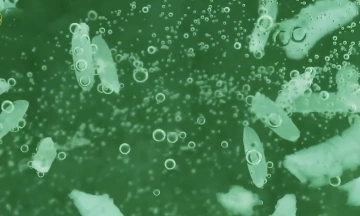
Eating eggs with cracked shells is strongly discouraged due to potential health risks, including bacterial infection, food poisoning, and digestive disorders, particularly for young children. If an egg cracks after purchase and its shell has not been thoroughly cleaned, it should not be consumed.
While eggs are a healthy food, rich in protein and essential amino acids, their shells play a crucial role in safety. Many mistakenly believe that a cracked shell does not affect the egg's quality or health. However, eggshells, especially if left exposed, can accumulate dirt, feces, and numerous pathogenic bacteria. An intact shell is vital for a safe egg.
To prevent contamination, careful selection and proper storage are key. When purchasing, avoid eggs with any visible cracks, dents, or leaking whites. Instead, visually inspect the shell's shape, color, and transparency to choose intact eggs. For storage, eggs should be refrigerated, as prolonged exposure to the outside environment can lead to spoilage. It is recommended to wash eggs under running water, dry them, and then store them in a sealed container in the refrigerator compartment to avoid bacterial transfer to other foods and preserve their quality.
Beyond safety, moderate consumption is also important. While children can generally eat one egg daily, adults should limit their intake to 3-4 eggs weekly. Individuals with conditions like fatty liver or high liver enzymes should consider substituting eggs with healthier protein alternatives.
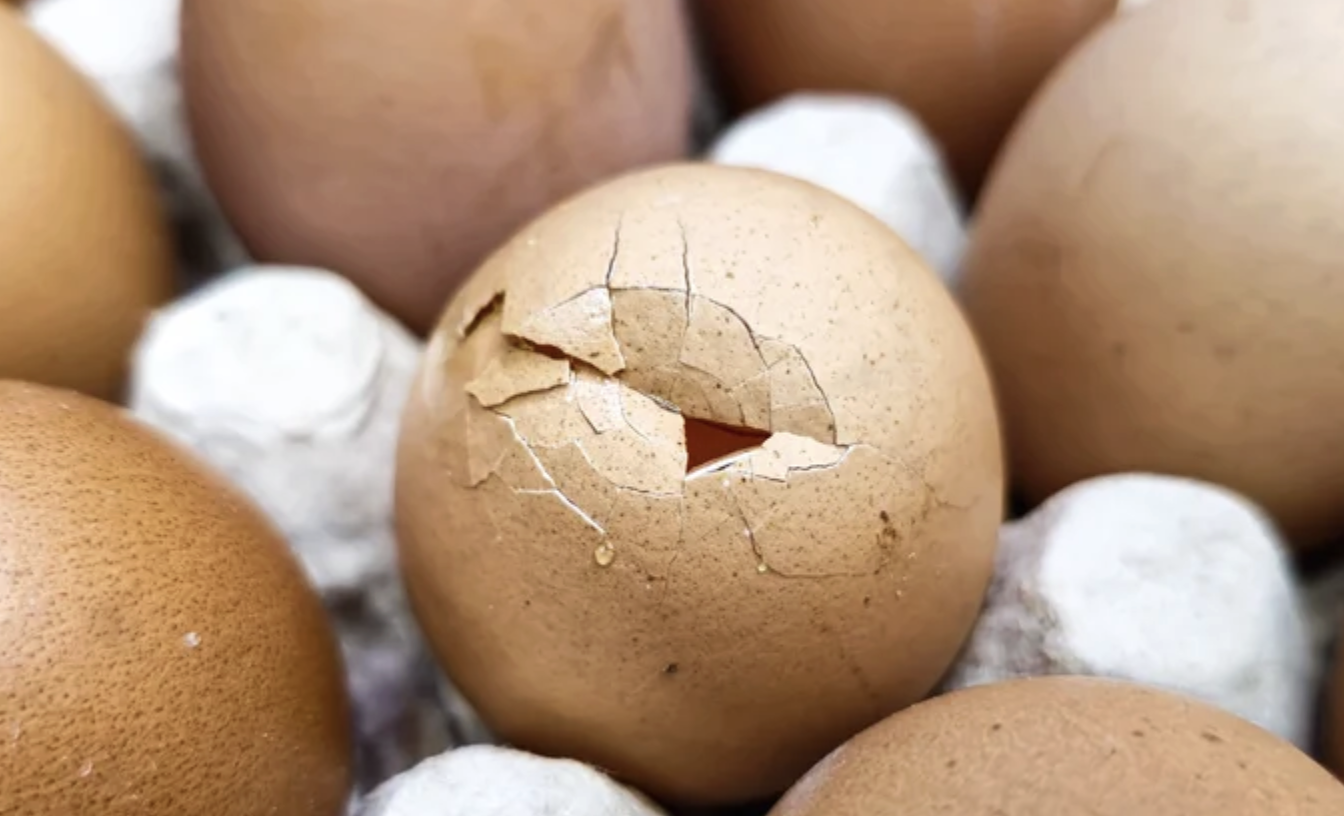 |
Illustration: Health |
Associate Professor Doctor Nguyen Duy Thinh
Institute of Biotechnology and Food Technology, Hanoi University of Science and Technology