On 24/3, Doctor Dinh Van Ba from the Internal Resuscitation Department, Emergency and Poison Control Resuscitation Center, Military Hospital 103, reported the patient's condition was temporarily stable. Previously, the surgical team amputated the necrotic limb to prevent the infection from spreading. Post-surgery, the treatment team continued to provide mechanical ventilation, administer strong antibiotics, and perform continuous dialysis.
The man was admitted a few days prior with symptoms including high fever and pain in his right thumb. The swelling rapidly spread across his entire hand. Doctors diagnosed him with severe septic shock and soft tissue dermatitis. His medical records indicated a history of hypertension, type 2 diabetes, and chronic gout.
Blood culture results from the Microbiology Department identified the patient as infected with Vibrio vulnificus, also known as "flesh-eating bacteria". The cause and context of the man's infection are currently unknown.
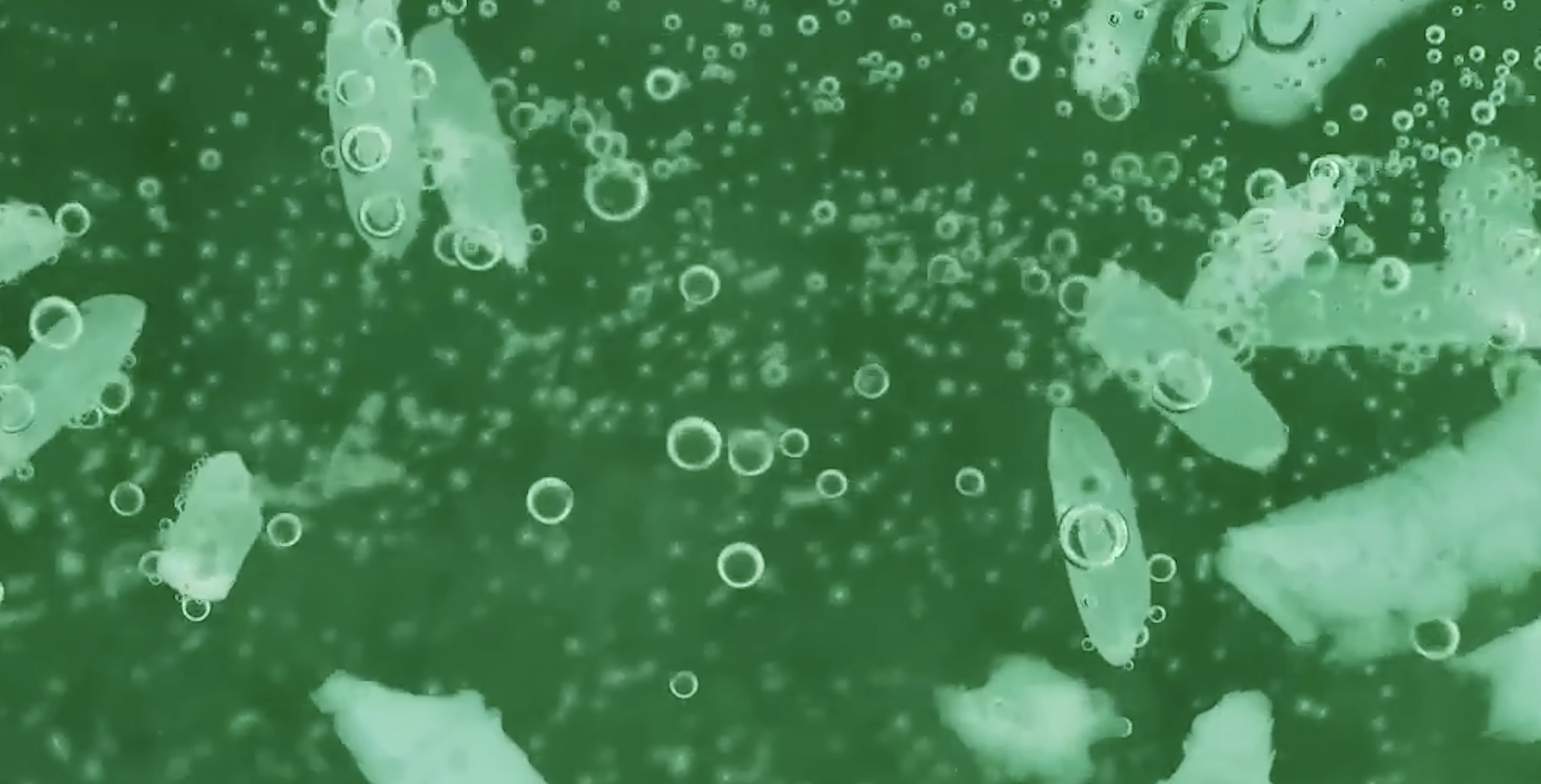 |
Vibrio vulnificus bacteria – commonly known as "flesh-eating bacteria". Photo: Hospital provided |
Vibrio vulnificus bacteria naturally inhabit saltwater and estuarine environments, proliferating most rapidly in summer. This pathogen attacks the body through open wounds or the digestive tract when people consume undercooked seafood, especially raw oysters. Upon entry, they rapidly destroy tissue, causing necrosis, septic shock, and can easily claim a patient's life if medical intervention is delayed. Individuals with liver disease, diabetes, compromised immune systems, congenital hemolytic anemia, or those taking stomach acid-reducing medications face the highest risk of severe complications.
To protect oneself, everyone needs to adhere to the principle of cooking food thoroughly and boiling water, refraining from consuming raw seafood, and preventing cross-contamination between raw and cooked foods. It is also essential to avoid swimming or touching brackish water and marine life when skin is abraded. If skin is broken while swimming in the sea, immediately rinse with clean water, thoroughly disinfect, and monitor closely. Anyone, especially those with underlying conditions, must seek immediate medical attention if a wound becomes red and swollen, pain spreads rapidly, the skin turns dark, or a fever develops, to promptly halt the devastation caused by this bacteria.
Thuy An