Pelvic fracture refers to a crack or break in one or more bones of the pelvis, including the ilium, ischium, pubis, sacrum, and coccyx. These injuries often result from mechanical impact, trauma, or underlying conditions that weaken bone structure. For minor, non-displaced fractures, the pelvis can heal naturally through the body's regenerative abilities. Doctors typically recommend conservative treatment, which includes rest, immobilization, and regular monitoring, without surgical intervention.
During the initial 6-8 weeks, patients must rest and limit weight-bearing on the pelvic area to prevent secondary displacement. At follow-up appointments, if a doctor confirms the bone has healed, pain has decreased, and movement is no longer difficult, patients can begin guided ambulation under professional supervision.
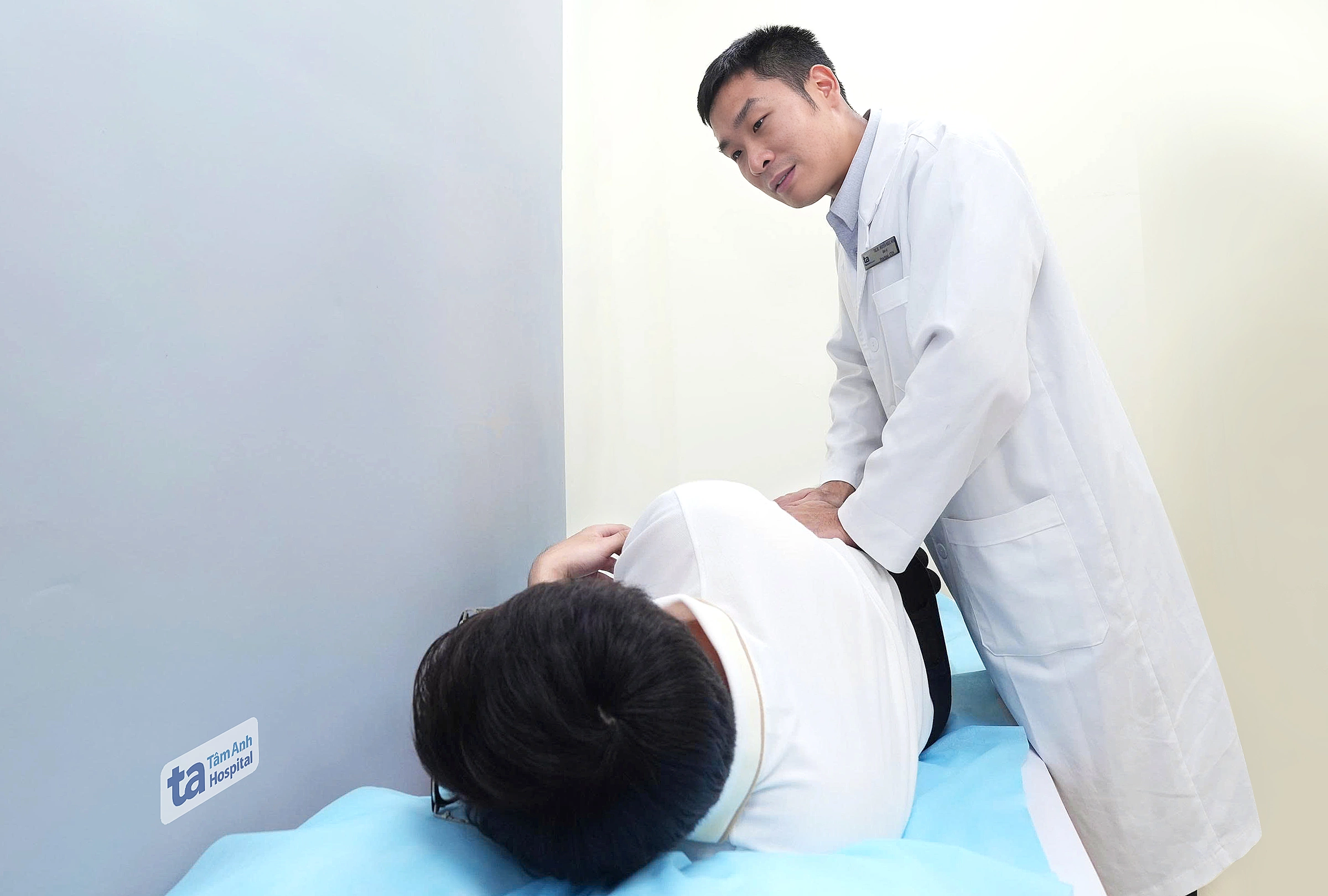 |
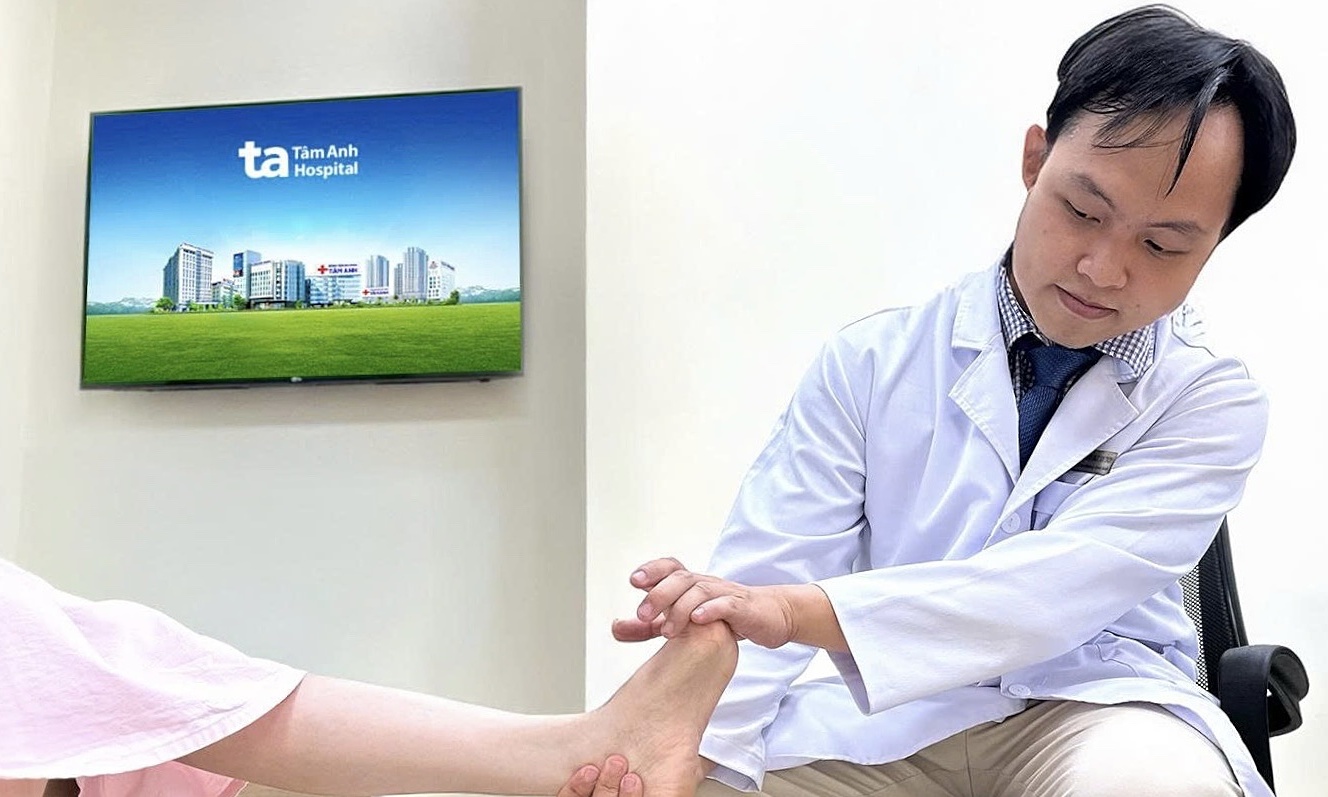
A doctor examines a patient with a pelvic fracture. Illustration: Tam Anh Cau Giay General Clinic |
To ensure safe ambulation, consider the following advice:
Avoid premature movement or walking. Eagerness to walk before the bone is stable is a common and dangerous mistake, potentially leading to fracture displacement, prolonged treatment, or even surgery. Patients should only begin walking exercises once a doctor confirms the bone has healed sufficiently to bear weight.
Adhere to doctor and physical therapist instructions. Each patient's recovery path varies based on fracture severity and treatment method. Doctors and physical therapists determine when to start walking, recommend appropriate exercises, and guide proper execution. Full compliance ensures the bone heals correctly, preventing joint stiffness or postural misalignment during recovery.
Practice proper walking technique. Patients should maintain an upright posture, take short steps, distribute weight evenly, and avoid hip deviation. Do not take overly long strides or exert excessive effort, as this can cause imbalance and falls. Exercises should be performed under the supervision of a doctor or a physical and rehabilitation therapist.
Utilize assistive devices. Crutches, walkers, or canes are essential tools during the initial walking phase. These devices reduce load on the pelvis, preventing sudden pressure on the healing bone. Use the correct type of prescribed device and ensure proper grip and height adjustment to avoid incorrect posture.
If you have a pelvic fracture and are undergoing conservative treatment, adhere to the regimen, get adequate rest, and consume foods rich in calcium, vitamin D, protein, and micronutrients like magnesium, zinc, and phosphorus to accelerate bone regeneration. Avoid substances that inhibit calcium absorption, such as alcohol, coffee, and tobacco, as they can slow bone healing.
Attend regular follow-up appointments at the hospital as scheduled by your doctor. These visits are crucial for assessing the earliest safe time to begin walking, adjusting medication, and supplementing micronutrients as needed. Doctors can also modify the intervention plan promptly if a patient shows signs of delayed bone healing, misalignment, or inflammation around the fracture site, preventing worsening conditions and long-term complications.
Master, Doctor Vu Trung Hieu
Department of Orthopedics
Tam Anh Cau Giay General Clinic
| Readers can submit questions about musculoskeletal conditions here for a doctor's response. |