No evidence suggests that all types of milk increase blood cholesterol. The key is selecting appropriate types, consuming reasonable amounts, and maintaining a balanced diet. Milk provides protein, calcium, vitamin D, vitamin B12, and other essential micronutrients. Individuals at high risk for cardiovascular disease or with dyslipidemia should choose low-fat or skim milk and dairy products. Patients can also opt for unsweetened plant-based milks, such as soy milk or oat milk, to diversify nutrition.
Dyslipidemia is characterized by an abnormal increase or decrease in blood lipid components, including total cholesterol, low-density lipoprotein cholesterol (ldl-c, bad cholesterol), high-density lipoprotein cholesterol (hdl-c, good cholesterol), or triglycerides. This condition is an important risk factor for atherosclerosis, potentially leading to myocardial infarction, stroke, and other cardiovascular complications. Beyond prescribed medication, diet plays a crucial role in managing the disease.
Dyslipidemia manifests differently among individuals. Some primarily experience elevated ldl-c, while others have increased triglycerides, or both. Those with elevated ldl-c should limit saturated fat, whereas individuals with elevated triglycerides must pay attention to their added sugar intake.
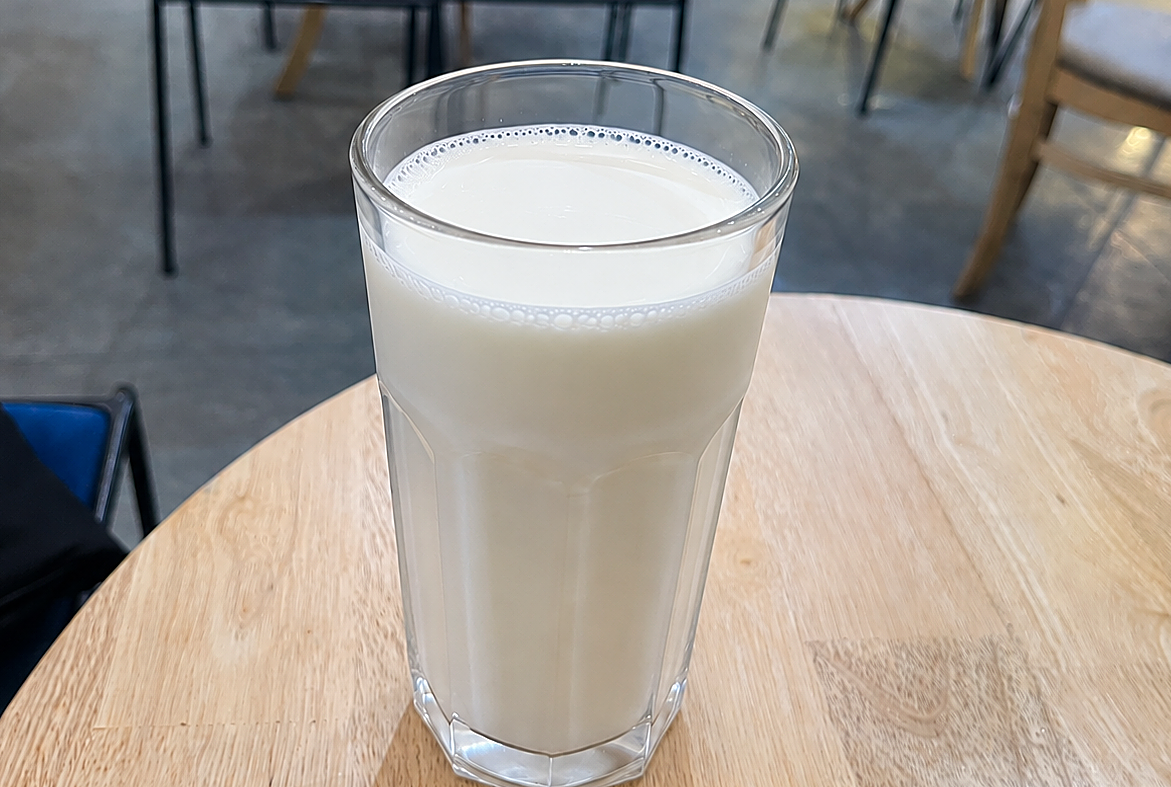 |
Milk provides protein, calcium, vitamin D, vitamin B12, and many other essential micronutrients for the body. Photo: Ly Nguyen. |
People with dyslipidemia should limit dairy products that contain significant added sugar. Excessive consumption leads the liver to convert surplus sugar into triglycerides, which increases blood triglyceride levels and complicates lipid disorder management. These products contribute to weight gain and elevated triglycerides, particularly in individuals with metabolic syndrome or diabetes.
When selecting milk, always read the nutrition label carefully. Patients should adopt a healthy diet, increasing their intake of green vegetables, fruits, whole grains, fatty fish (a rich source of omega-3 fatty acids), nuts, and olive oil. It is important to limit red meat, organ meats, butter, animal fat (which are rich in saturated fat), fast food, industrial pastries, fried foods, sugary drinks, and alcohol.
If you have dyslipidemia, especially when accompanied by cardiovascular disease, diabetes, or obesity, you should consult a doctor or nutritionist for personalized advice on suitable milk types. Regular follow-up appointments are also essential to monitor blood lipid levels and adjust diet or medication as needed.
Master of Science, Doctor Nguyen Thi Hau
Department of Cardiology
Tam Anh Cau Giay General Clinic
| Readers can submit questions about cardiovascular disease here for a doctor's response. |