Hypoglycemia, characterized by blood glucose levels dropping below 70 mg/dL (3.9 mmol/l), is a critical condition. While commonly associated with individuals with diabetes using insulin or other blood sugar-lowering medications, it can also affect healthy individuals who skip meals, have inadequate nutrition, engage in excessive exercise, or consume alcohol on an empty stomach. Understanding the signs is crucial for timely intervention.
Doctor Ha Dinh Khai, from the Department of Endocrinology and Diabetes at Tam Anh General Hospital Hanoi, highlights several common signs of hypoglycemia:
Hand tremors, sweating, rapid heartbeat: These are early and frequently observed indicators. Patients may experience intense hunger, trembling limbs, cold sweats, palpitations, and a rapid heartbeat. Low blood sugar deprives the brain of glucose, prompting the nervous system to release epinephrine, which increases heart rate to pump energy throughout the body. Other accompanying symptoms can include dizziness, headaches, numbness in the lips or extremities, restlessness, and anxiety.
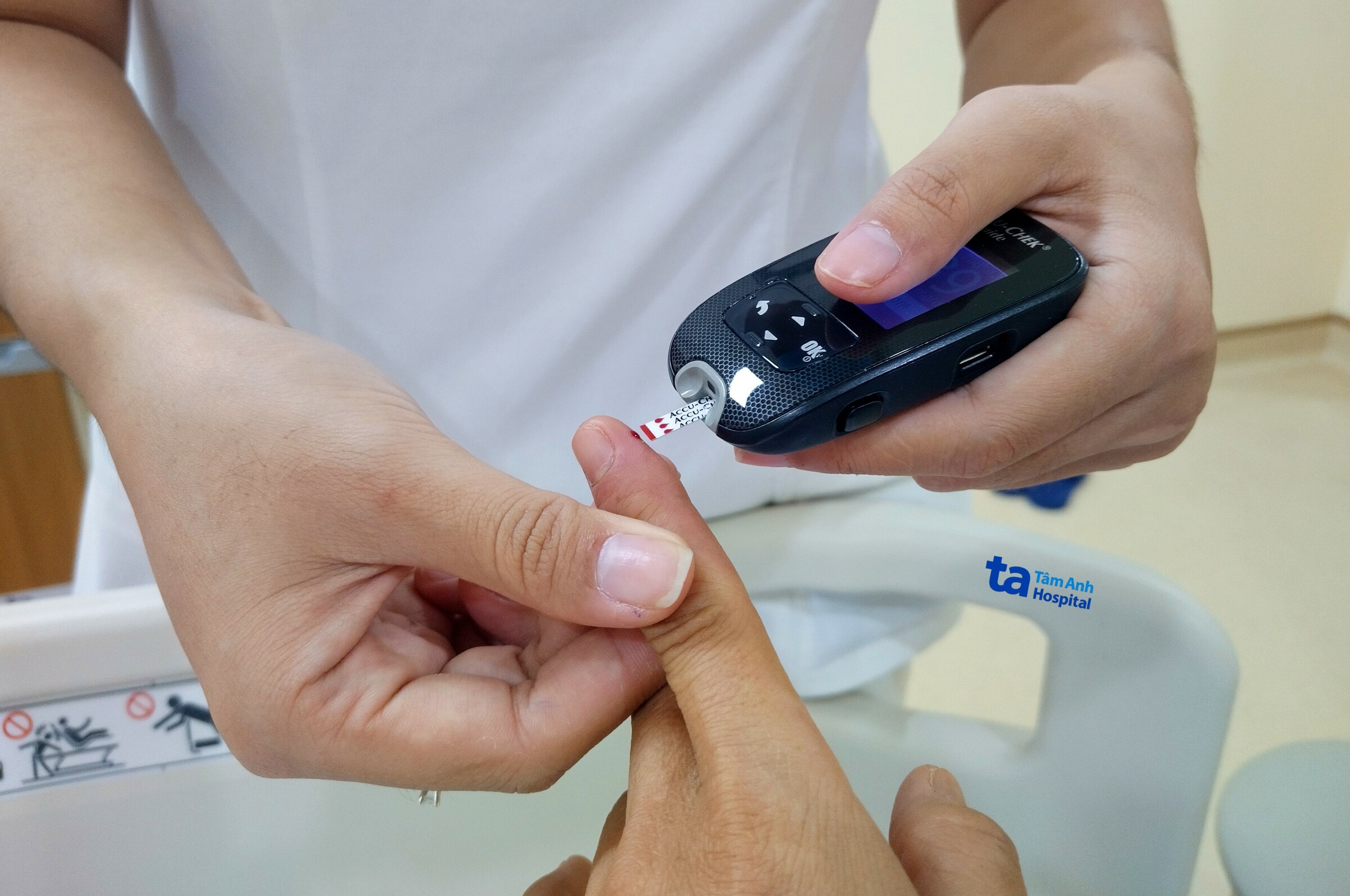 |
Finger-prick blood test to measure blood sugar for a patient. Photo: Tam Anh General Hospital |
Dizziness, difficulty concentrating, confusion: As blood sugar levels drop significantly, the brain's energy deficit becomes more severe, leading to dizziness, difficulty concentrating, slow reactions, slurred speech, or disorientation. Vision may also be affected, manifesting as blurred vision and a loss of balance.
Seizures, altered consciousness, coma: These symptoms occur due to severe hypoglycemia. Patients may experience seizures, loss of consciousness, or a coma, which are life-threatening if not addressed immediately. At this stage, patients are typically unable to eat or drink independently and require urgent medical assistance.
According to Doctor Khai, if a patient is experiencing hypoglycemia but remains conscious, they should consume 15-20 grams of fast-acting carbohydrates. This could be two to three pieces of candy, half a glass of fruit juice or sugary soda (about 120 ml), one tablespoon of honey, or a glass of milk. After consumption, the individual should rest for about 15 minutes and recheck their blood sugar. If symptoms persist or blood sugar has not improved, they should continue to consume carbohydrates and monitor their condition until blood sugar rises above 4.0 mmol/L and symptoms subside.
Following treatment, patients should have a light meal and consider a follow-up appointment to identify the underlying cause and adjust their treatment regimen, thereby preventing recurrent hypoglycemia.
If a patient is disoriented, unable to eat or drink, experiencing seizures, or unconscious, it is crucial not to give them food or drink to avoid choking. Instead, emergency services must be called immediately, and the patient transported to a medical facility. Doctors may administer intravenous glucose infusion, using solutions of 10%, 20%, or 50% concentration depending on the patient's condition, potentially combined with electrolyte replacement if necessary.
To prevent hypoglycemia, Doctor Khai advises everyone to eat regular meals and avoid skipping them, as well as refrain from drinking alcohol on an empty stomach. Individuals with diabetes should monitor their blood sugar regularly and carry candy or glucose tablets when out. Recommended times to check blood sugar include: before and after meals; before and after physical activity (or during exercise if intense or prolonged); before bedtime; and at night, especially after a day of significant physical activity.
Thuy Hanh
| Readers can ask questions about diabetes here for doctors to answer |