The fetus develops within an amniotic sac filled with amniotic fluid. This fluid provides essential nourishment, shields the fetus from external forces, and acts as a barrier against bacterial infections. Preterm premature rupture of membranes (PPROM) occurs when this protective membrane tears, causing amniotic fluid to leak from the vagina.
Typically, the rupture of membranes signals the onset of labor. However, if this occurs before 37 weeks of gestation, it is defined as PPROM. PPROM significantly increases the risk of preterm birth and other severe complications for both mother and baby.
Dr. Do Dac Khanh, from the Obstetrics and Gynecology Center at Tam Anh General Hospital Hanoi, notes that many pregnant women delay seeking medical attention due to confusing PPROM symptoms with urinary incontinence or typical vaginal discharge. The most common sign of PPROM is a continuous trickle or sudden gush of fluid from the vagina. Amniotic fluid is typically clear, colorless, or a pale yellow, with a mild odor, and cannot be controlled voluntarily like urine. Small, intermittent leaks are often easily missed.
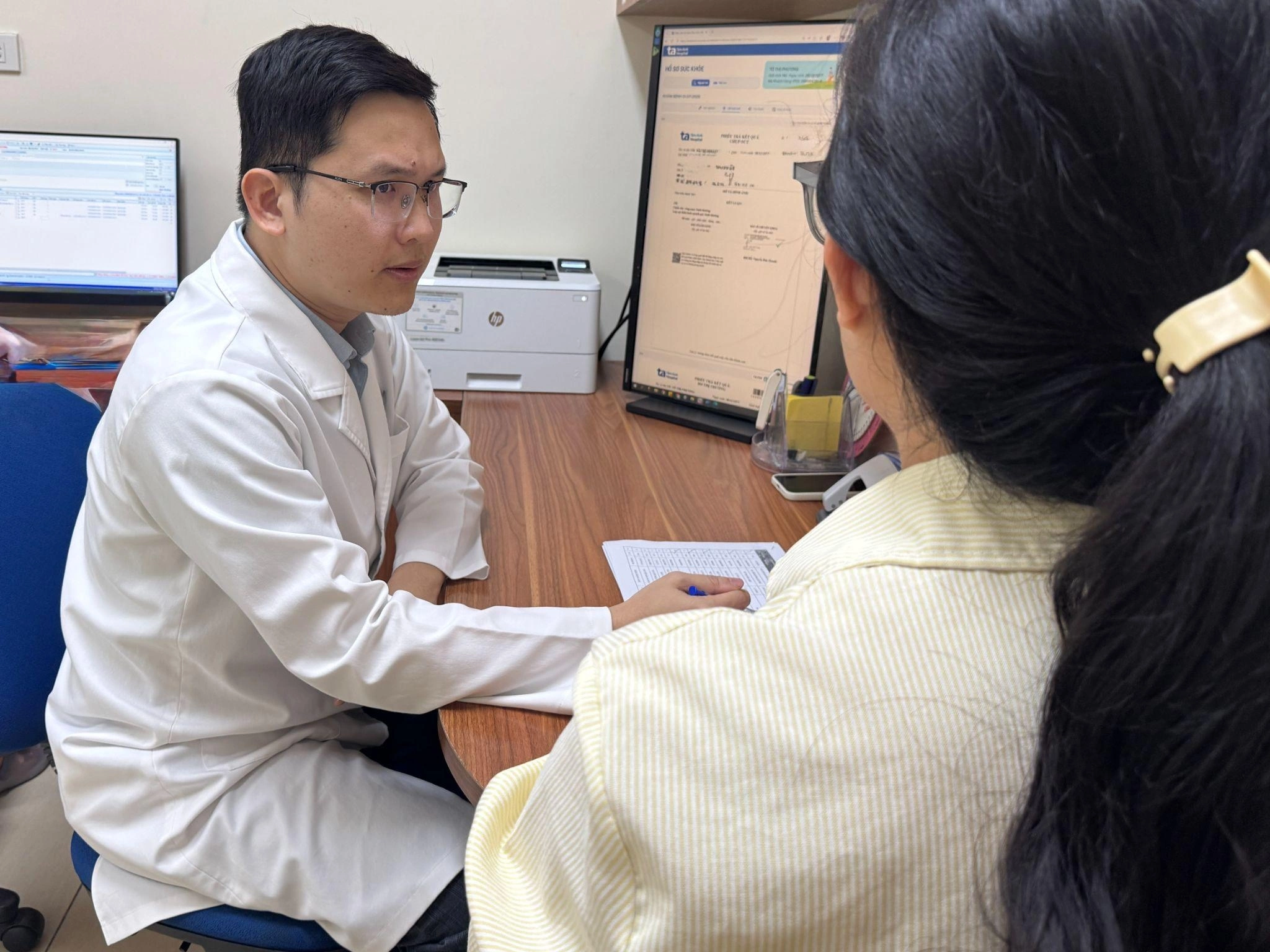 |
A doctor is advising a patient on dangerous signs during pregnancy. Photo: Tam Anh General Hospital |
Beyond clear fluid leakage, pregnant women should seek immediate medical attention if the fluid appears green, yellow, brown, or has a foul odor, as these indicate potential amniotic fluid infection or the presence of meconium. Additional warning signs include leakage accompanied by bleeding, abdominal pain, fever, uterine contractions, or reduced fetal movement.
Several factors elevate the risk of PPROM. Lower genital tract infections, such as vaginitis and cervicitis, are common culprits, as bacteria can inflame and weaken the amniotic membranes.
Other risk factors include sexually transmitted infections, abnormal fetal presentations (such as transverse lie or breech), multiple pregnancies, polyhydramnios (excess amniotic fluid), placenta previa, a short cervix, or cervical incompetence. Pregnant women who smoke, have poor nutrition, or a history of preterm birth also require close monitoring. The gestational age at which PPROM occurs significantly influences its severity; earlier ruptures pose greater risks to both the mother and the fetus.
Once the amniotic membrane ruptures, the fetus loses its protective barrier against bacteria. This allows bacteria from the vagina to enter the amniotic cavity, leading to infections of the amniotic fluid and the fetus, and elevating the mother's risk of sepsis. Complications can also include umbilical cord prolapse, fetal distress, or necessitate an early termination of the pregnancy.
PPROM is a primary cause of preterm birth. Infants born before 37 weeks face elevated risks of respiratory conditions, infections, brain hemorrhage, visual impairments, and long-term physical and neurological developmental delays.
Upon suspecting PPROM, pregnant women should not attempt to self-monitor or diagnose the condition at home. Immediate medical evaluation by a doctor at a healthcare facility is crucial.
The doctor's treatment plan depends on the gestational age and the mother's overall health. For full-term pregnancies, terminating the pregnancy is often recommended to minimize infection risks. If the pregnancy is preterm, the primary goal of treatment is to safely prolong gestation.
Dr. Khanh advises pregnant women to attend all scheduled prenatal check-ups, promptly treat any gynecological infections, maintain a balanced diet, refrain from smoking, and carefully monitor for any unusual changes throughout their pregnancy.
Thuy Hanh
| Readers can submit questions about obstetrics and gynecology here for doctors to answer |