For over a century, most vaccines have been administered using needles and syringes. However, the future of vaccination may extend beyond traditional injections.
Researchers are exploring various methods to deliver vaccines, including skin patches, nasal sprays, inhaled powders, oral pills, and needle-free devices. These technologies are expected to simplify vaccine distribution, alleviate needle phobia, reduce medical waste, and enhance the body's ability to combat pathogens at their point of entry.
Here are six technologies that could transform how people receive vaccinations in the future:
Vaccine patches
Microneedle patches, also known as microarray patches (MAPs), are small patches featuring hundreds to thousands of microscopic microneedles. When applied to the skin, these microneedles deliver vaccines into the upper skin layers, where numerous immune cells reside.
Vaccine components are dried and embedded within the microneedle tips. These patches are typically small, light, and easier to transport than liquid vaccines. This technology may also help vaccines remain stable against temperature fluctuations, reducing reliance on cold chains.
Vaccine patches could be especially beneficial in areas with limited healthcare personnel, challenges in cold storage, or during widespread vaccination campaigns. Some types may be easier to use than traditional injections, potentially allowing for self-administration in suitable contexts.
The Vaccine Innovation Prioritisation Strategy alliance, comprising Gavi, WHO, UNICEF, PATH, and the Gates Foundation, has identified eleven types of vaccine patches with significant potential impact in low-income countries. These include measles-rubella, birth-dose hepatitis B, tuberculosis, and HPV vaccines. A measles-rubella vaccine patch developed by the CDC US and the Georgia Institute of Technology has also shown promising results in trials in Gambia.
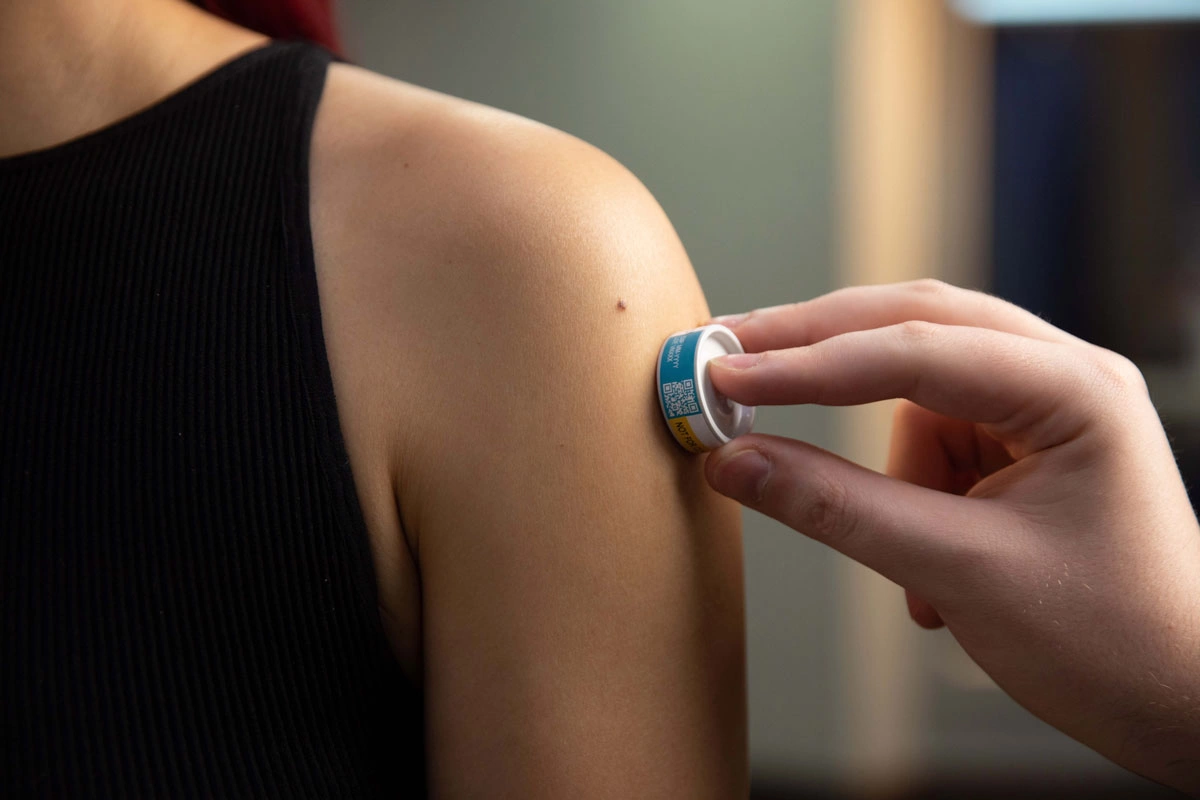 |
Illustration of a vaccine patch. Photo: Vaxxas |
Nasal sprays and inhaled vaccines
Respiratory vaccines are designed to intercept pathogens directly where many viruses and bacteria often first enter the body: the nose, airways, and lungs.
Unlike injected vaccines, which primarily generate systemic immune responses in the blood, nasal spray or inhaled vaccines stimulate mucosal immunity. This immunity develops in the moist linings of the nose, mouth, throat, airways, and lungs. This mechanism can help the body produce IgA antibodies, which contribute to blocking viruses before they infect cells.
Beyond reducing the risk of illness for vaccinated individuals, respiratory vaccines are also expected to limit transmission. When immunity is established directly in the airways, viruses may replicate less, viral shedding time could shorten, and the risk of spreading to others may decrease.
This technology has garnered increased attention since the Covid-19 pandemic. While injected vaccines effectively reduce severe illness, they are less effective at preventing infection. Scientists are currently developing respiratory vaccines for influenza, Covid-19, RSV, and tuberculosis. Nasal sprays may be suitable for viruses causing upper respiratory tract diseases, while inhaled aerosols could stimulate deeper immunity in the lungs.
Oral vaccines
Oral vaccines are not a new technology. The oral polio vaccine has protected billions of children since the 1960s. Subsequently, oral vaccines were also developed for cholera, rotavirus, and typhoid.
Similar to respiratory vaccines, oral vaccines target mucosal immunity, but in the intestinal tract. This area features a large surface area and a high concentration of immune cells.
The advantage of oral vaccines is that they can reduce the need for trained healthcare workers to administer injections and for stringent cold chain storage. This simplifies vaccine distribution and lowers costs in large-scale vaccination campaigns.
Scientists are developing a new generation of oral vaccines for various pathogens such as norovirus, HPV, Epstein-Barr, Covid-19, and influenza. Beyond liquid formulations, research directions include capsules, pills, and edible vaccines, where plants like lettuce, tomatoes, or rice are modified to produce vaccine antigens in plant tissues.
A significant challenge is that the digestive system is designed to break down foreign matter. Therefore, vaccine components must withstand stomach acid and digestive enzymes to reach immune cells in the intestines. Researchers are exploring protective coatings that dissolve only upon reaching the intestines, modified bacteria or yeast, and nanoparticle delivery systems.
Needle-free injections
Needle-free injection devices do not use a needle to pierce the skin. Instead, this technology employs a high-pressure, very narrow stream of fluid to propel the vaccine through the skin's surface.
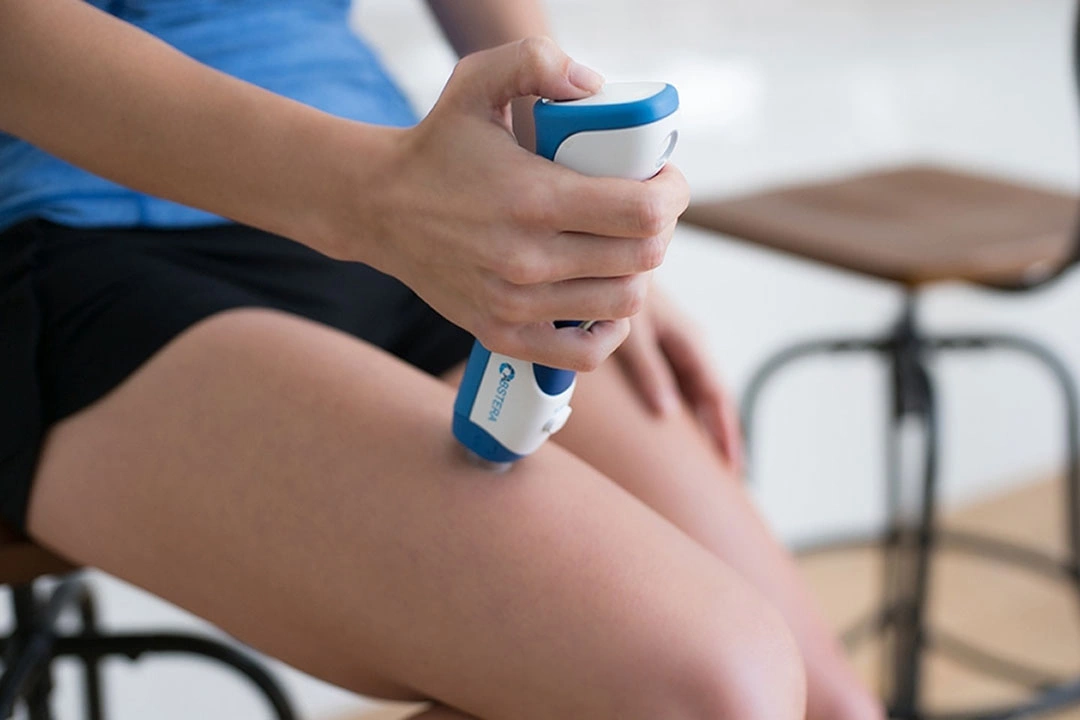 |
Portal Instruments, an MIT startup, has commercialized a smart needle-free injection device, reducing pain and anxiety, shortening injection time, and increasing treatment adherence. Photo: Portal Instruments |
Vaccines can be delivered into the epidermis, the immune-cell-rich dermis, or deeper into fatty tissue or muscle. This method can reduce needle phobia, limit needle-stick injuries among healthcare workers, and simplify the disposal of sharps waste.
Currently, only a few needle-free vaccine products are approved, but trials are expanding for influenza, HPV, HIV, and Covid-19 vaccines.
However, this technology still faces challenges. Vaccine components must remain stable under high pressure, while some platforms, such as mRNA or proteins, can be sensitive to heat and pressure. Devices also require precise control over the depth of vaccine delivery into the skin, as being too shallow can lead to a weak immune response, while being too deep could cause tissue damage.
Researchers are developing additives, freeze-drying techniques, and "smart" devices with pressure sensors to adjust injection force in real time.
Electroporation-assisted injections
Not all new technologies aim to replace needles. Some research focuses on making traditional injected vaccines more effective.
DNA vaccines are one example. Similar to mRNA vaccines, DNA vaccines deliver "genetic instructions" to the body, enabling cells to produce viral or bacterial proteins so the immune system learns to recognize them. DNA is physically more stable than RNA, meaning DNA vaccines have the potential for easier storage and transport, and are compatible with technologies like jet injection or dry forms.
The difficulty lies in delivering sufficient DNA into cells to generate a strong immune response. Electroporation technology can assist with this. After vaccine injection, the device generates short electrical pulses to temporarily open small pores on cell membranes, facilitating easier DNA entry.
Scientists hope this approach will make DNA vaccines more effective and reduce the amount of vaccine needed per dose, thereby extending supply during outbreaks. However, the requirement for additional specialized equipment could complicate large-scale deployment.
Dry vaccines
Dry vaccines are a foundational technology for many of the innovations mentioned above. The goal is to create vaccines that are less dependent on cold storage while retaining their efficacy.
A long-standing example is the yellow fever vaccine, which is produced in a freeze-dried form and reconstituted before injection. Today, scientists aim to develop a new generation of dry vaccines that can remain stable at higher temperatures for longer periods and be administered through multiple routes.
Compared to liquid vaccines, dry vaccines are generally smaller, lighter, and easier to transport and store, particularly in low-income countries or during outbreaks where cold chain systems are unstable.
Technologies under investigation include lyophilized vaccines, spray-dried particles, and soluble thin films. These forms can be integrated into microneedle patches, inhaled into the lungs, sprayed into the nose, or taken orally as capsules or tablets.
The challenge is that the drying process can damage vaccine active ingredients, especially sensitive platforms like mRNA. To overcome this, scientists are experimenting with protective sugars, polymers, and nanoparticles to stabilize vaccine components over time.
New technologies cannot completely replace needles in the short term. However, they offer more flexible options for vaccination, particularly in areas with limited healthcare access, insufficient personnel, cold storage constraints, or the need for rapid vaccine deployment during epidemics.
If successful, future vaccines may not only be an injection at a clinic but could also be a skin patch, nasal spray, pill, inhaled powder, or an easily transportable dry vaccine. This could make disease prevention less painful, more convenient, and accessible to a broader population.
Van Ha (According to Gavi)