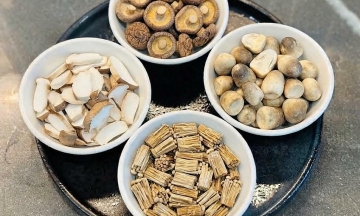
Soaking dried foods for too long or using excessively hot water can pose significant health risks, contrary to the belief that it makes ingredients cleaner or tastier. This improper preparation can alter food quality and create an ideal environment for harmful microorganisms to thrive.
Many people use hot water for dried items like shiitake mushrooms, wood ear mushrooms, seaweed, and tofu skin, hoping to shorten preparation time and eliminate bacteria. However, hot water is not a substitute for proper soaking techniques. High temperatures can damage the food's structure, causing it to lose its natural crispness, chewiness, and flavor. Furthermore, essential nutrients, including water-soluble vitamins and beneficial compounds found in mushrooms and seaweed, may be degraded during hot water soaking.
The duration of soaking is even more critical. Once dried foods absorb water, they become moist, creating a fertile ground for microorganisms to multiply if left for extended periods. Therefore, the habit of soaking foods for an excessively long time, such as from the previous evening for morning cooking, is strongly discouraged, especially when the food is kept at room temperature.
Under favorable conditions, certain bacteria can produce bongkrekic acid, a potent toxin implicated in food poisoning incidents. This toxin is notably heat-resistant, meaning that cooking the food afterwards does not guarantee the complete elimination of risk. Consequently, meticulous microbial control during food preparation and cooking is paramount in preventing poisoning, alongside careful ingredient selection.
There is no universal soaking formula for all dried foods. For wood ear mushrooms and shiitake mushrooms, warm water is recommended for about 15-30 minutes, followed by thorough rinsing and immediate cooking. This sufficient soaking duration softens the ingredients without maintaining a prolonged moist environment conducive to bacterial growth.
For tofu skin, cold water is preferable. Gradual soaking ensures the food softens evenly, preventing the outer layers from becoming overly mushy while the interior remains hard. Seaweed should first be rinsed to remove dirt, then soaked, and rinsed again before cooking. Crucially, all these foods should be cooked promptly after soaking to avoid prolonged exposure to room temperature.
The key to safe and quality preparation lies not in using hot water or extended soaking, but in adequate soaking with appropriate water temperatures, followed by immediate cooking. This simple approach helps preserve the quality of dried foods while minimizing the risk of foodborne illness during preparation.
Doctor Nguyen Trong Thuy
Former chief doctor of the Vietnam National and U23 teams