Mushrooms can be a valuable addition to a weight loss diet due to their high water content, low fat, and zero cholesterol. Most edible mushrooms contain about 85-90% water. This allows individuals to consume up to 200 grams per meal, promoting satiety without significantly increasing calorie intake.
Despite their naturally sweet taste, the sugars in mushrooms primarily consist of complex carbohydrates or sugar alcohols like mannitol and trehalose. These are absorbed slowly by the body, preventing sudden spikes in blood sugar.
Mushrooms are also rich in fiber, which contributes to a feeling of fullness and supports healthy digestive function. Soluble fiber, specifically beta-glucan, slows digestion and prolongs satiety. Insoluble fiber, like chitin, enhances gut motility, helping to alleviate constipation often associated with dieting.
When eating mushrooms, one experiences a rich umami flavor, similar to consuming meat. This umami taste stimulates taste receptors, providing a satisfying sensation akin to enjoying protein- or fat-rich dishes.
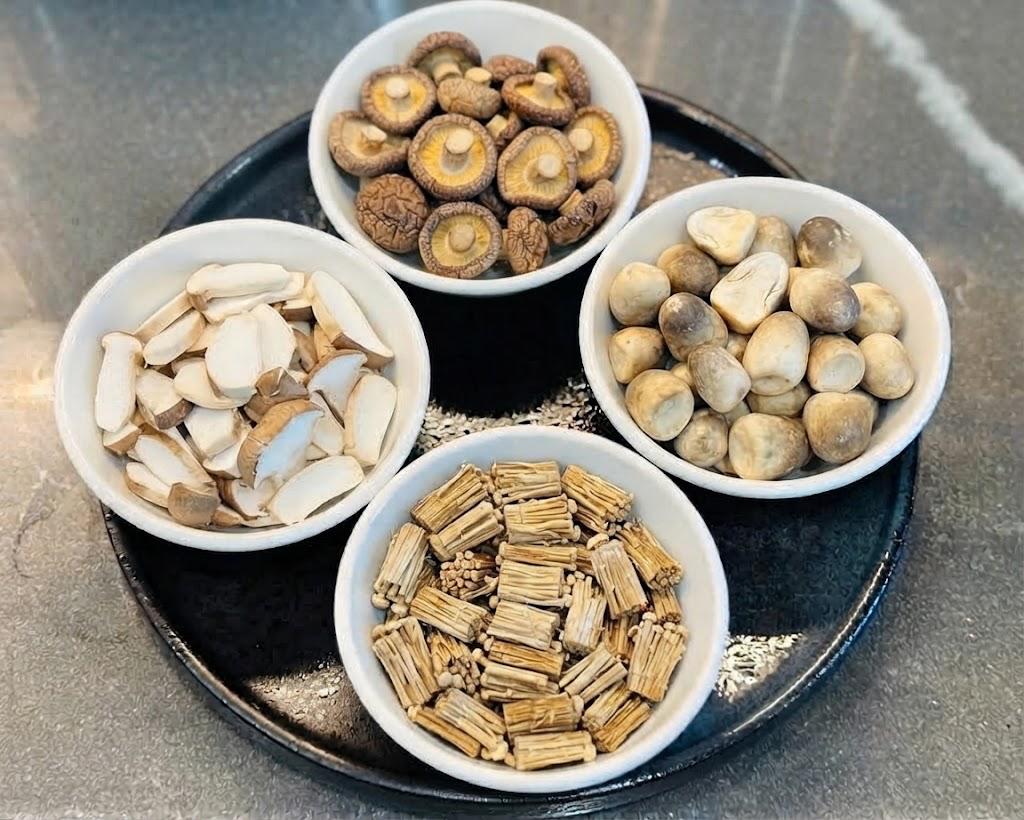 |
Mushrooms contain many nutrients but should not be used to replace other protein-rich foods. Photo: Bui Duc |
Certain mushroom varieties contain B vitamins such as B2, B3, and B5. These act as catalysts, boosting metabolism and helping the body efficiently convert food into energy rather than accumulating excess fat. This food also helps maintain alertness and prevent fatigue during a weight loss phase.
However, replacing meat or other animal protein sources entirely with mushrooms for an extended period to lose weight is not advisable, as it can lead to nutritional imbalances. The protein content in mushrooms is low and cannot provide all the essential amino acids needed to maintain muscle mass, support recovery, and ensure stable metabolic processes. Completely eliminating meat, fish, eggs, or tofu in favor of only mushrooms can result in physical weakness, muscle atrophy, and fatigue.
Completely cutting out animal protein sources can also lead to deficiencies in important micronutrients like iron, zinc, and vitamin B12. These nutrients, primarily found in meat, are crucial for blood formation and nervous system function. Therefore, mushrooms should be used as a supportive food to reduce calories and prevent dietary monotony, not as a primary protein substitute.
Mushrooms can be incorporated into your diet regularly, a few times per week or daily, with portions of about 100-150 grams per serving to vary meals and enrich your diet. It is important not to rely solely on mushrooms; a diverse intake of green vegetables is also essential. Green vegetables provide many vital nutrients that mushrooms lack, such as vitamin C, folate, beta-carotene, and potent antioxidants.
A nutritional regimen alone is unlikely to yield effective weight loss without physical activity and a healthy lifestyle. Sustainable weight loss requires a combination of proper nutrition, regular exercise, adequate rest, and perseverance.
Doctor of Medicine, Level I, Dao Thi Yen Thuy
Head of Nutrition and Dietetics Department
Tam Anh General Hospital, TP HCM
| Readers can submit nutrition questions here for a doctor's response. |