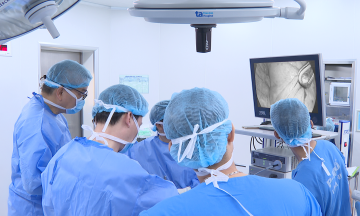
At the inauguration ceremony for the Pelvic Floor Center and Day Treatment Department on 26/3, Associate Professor, Doctor Hoang Thi Diem Tuyet, Director of Hung Vuong Hospital, stated that women after childbirth and during perimenopause and menopause often experience pelvic floor disorders such as urinary incontinence, pelvic organ prolapse, and sexual dysfunction. However, due to embarrassment, patients often suffer in silence, unsure of whom to confide in or where to seek help, leading to delayed treatment and worsening conditions.
 |
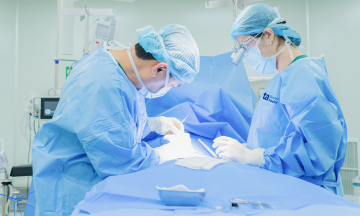
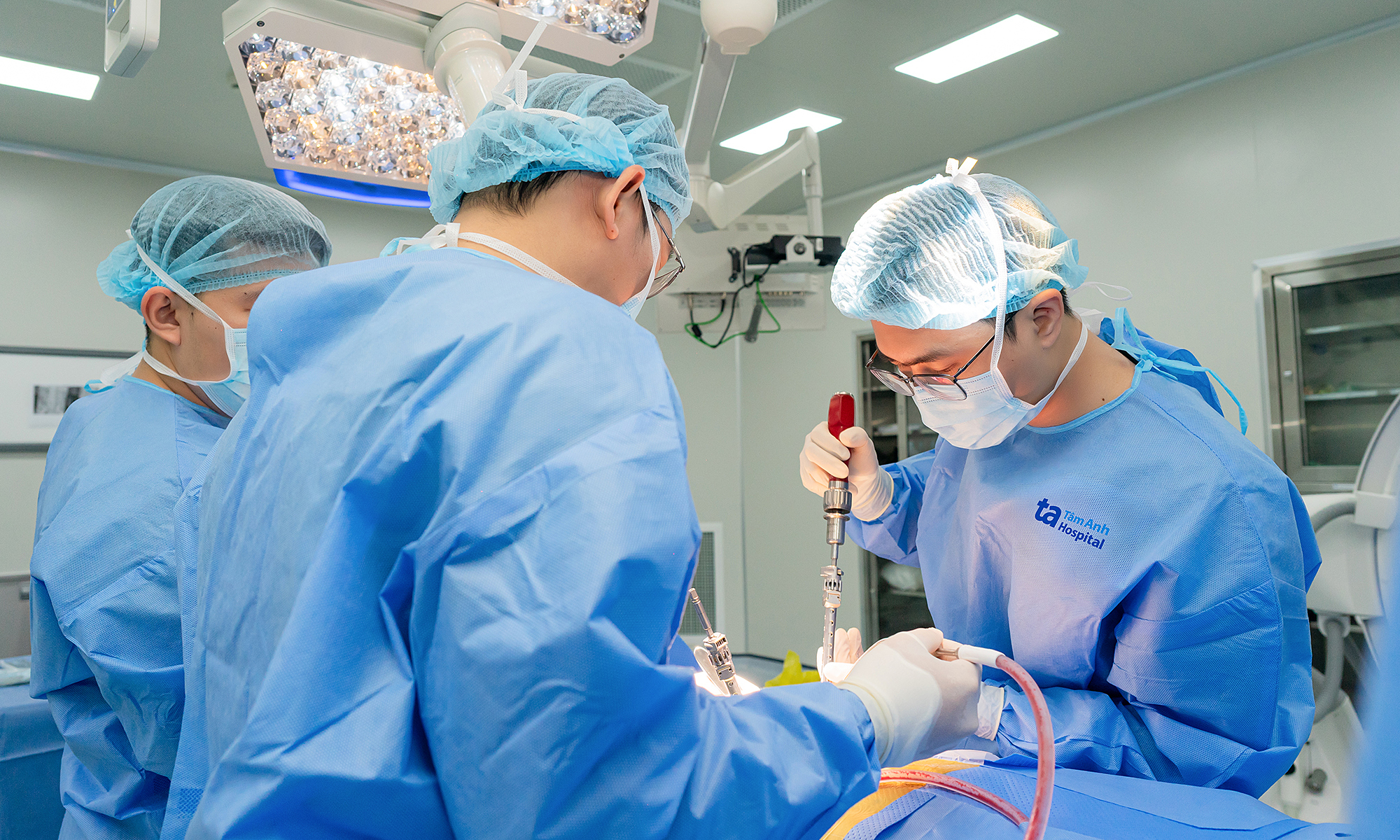
Treatment at the Pelvic Floor Center, Hung Vuong Hospital. Photo: Hospital provided |
Many women aged 40-50 who have had multiple births endure severe pelvic floor damage. This can result in significant pelvic organ prolapse, where the uterus, bladder, and even the rectum protrude, profoundly affecting their mental well-being and marital life.
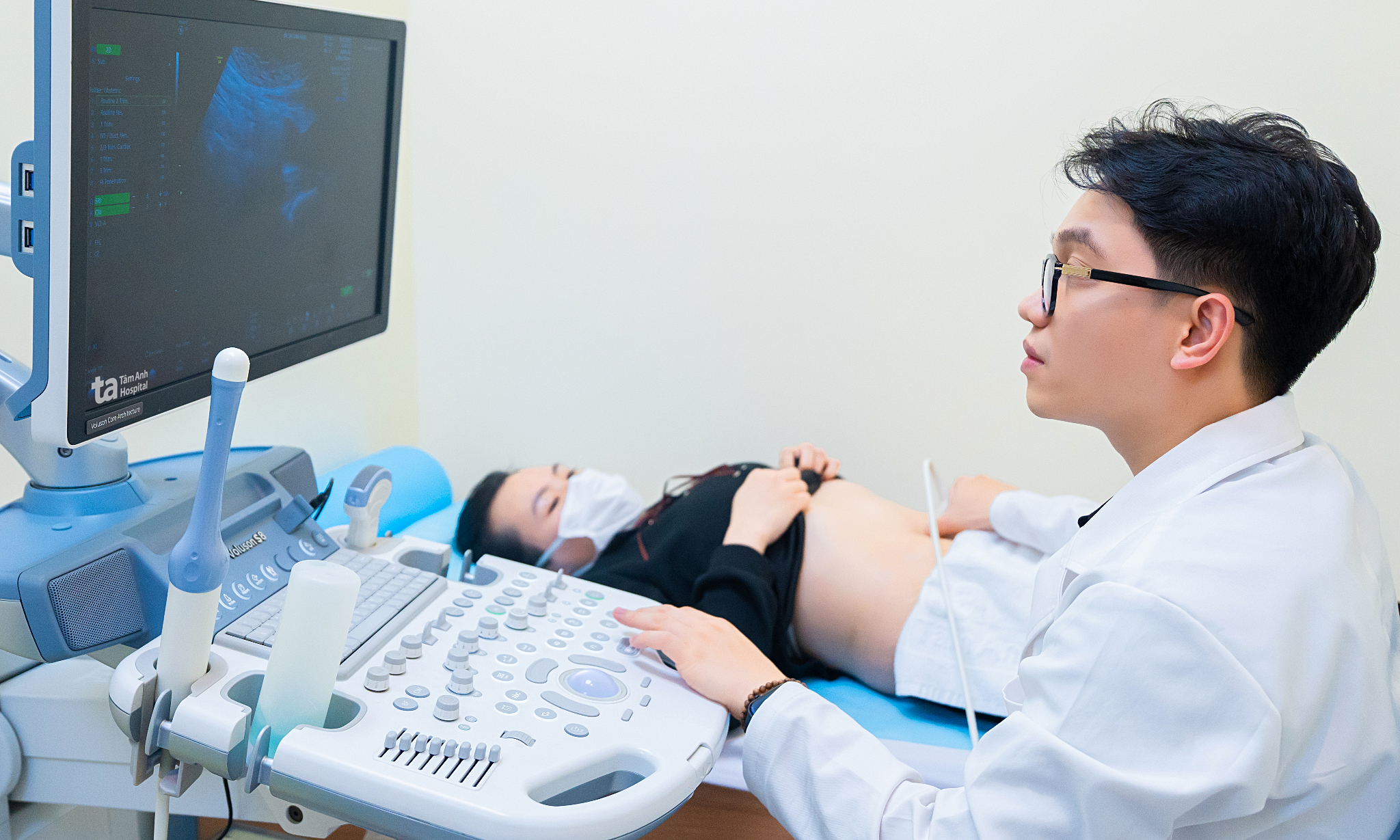
Hung Vuong Hospital aims to develop the Pelvic Floor Center into a comprehensive, large-scale specialized unit. Unlike other facilities that might only offer a "pelvic floor unit," this center features integrated investment from screening and diagnosis to treatment and prevention. It boasts modern equipment, including specialized ultrasound, MRI scanning for lesions, and a urodynamic machine.
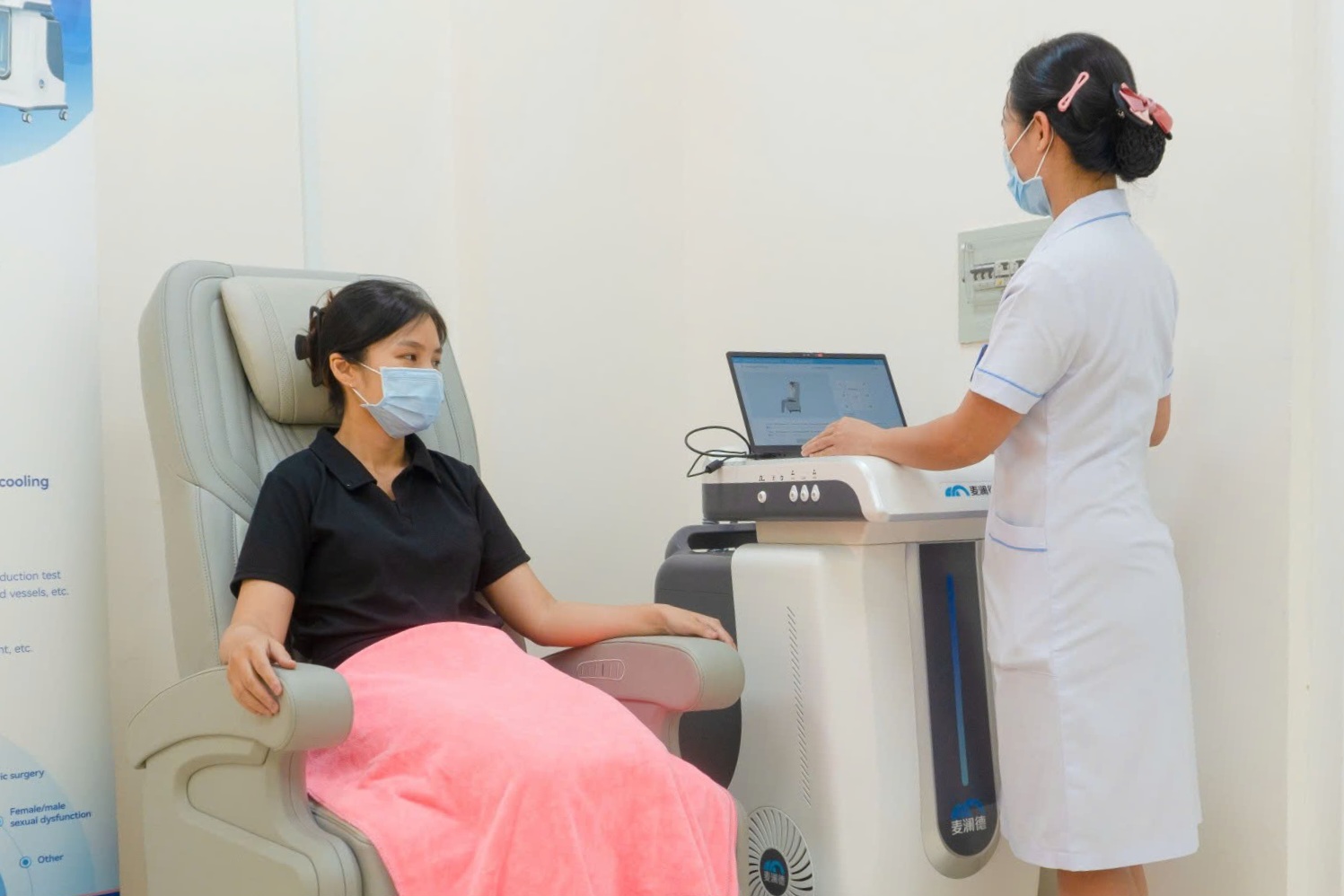
For treatment, in addition to surgery, the center prioritizes minimally or non-invasive methods such as laser therapy, physical therapy, and biofeedback therapy. Early screening during perimenopause and timely intervention help patients avoid surgery, optimize costs, and enhance their overall quality of life amidst a rapidly aging population.
 |
Women receiving treatment at the Pelvic Floor Center, Hung Vuong Hospital. Photo: Hospital provided |
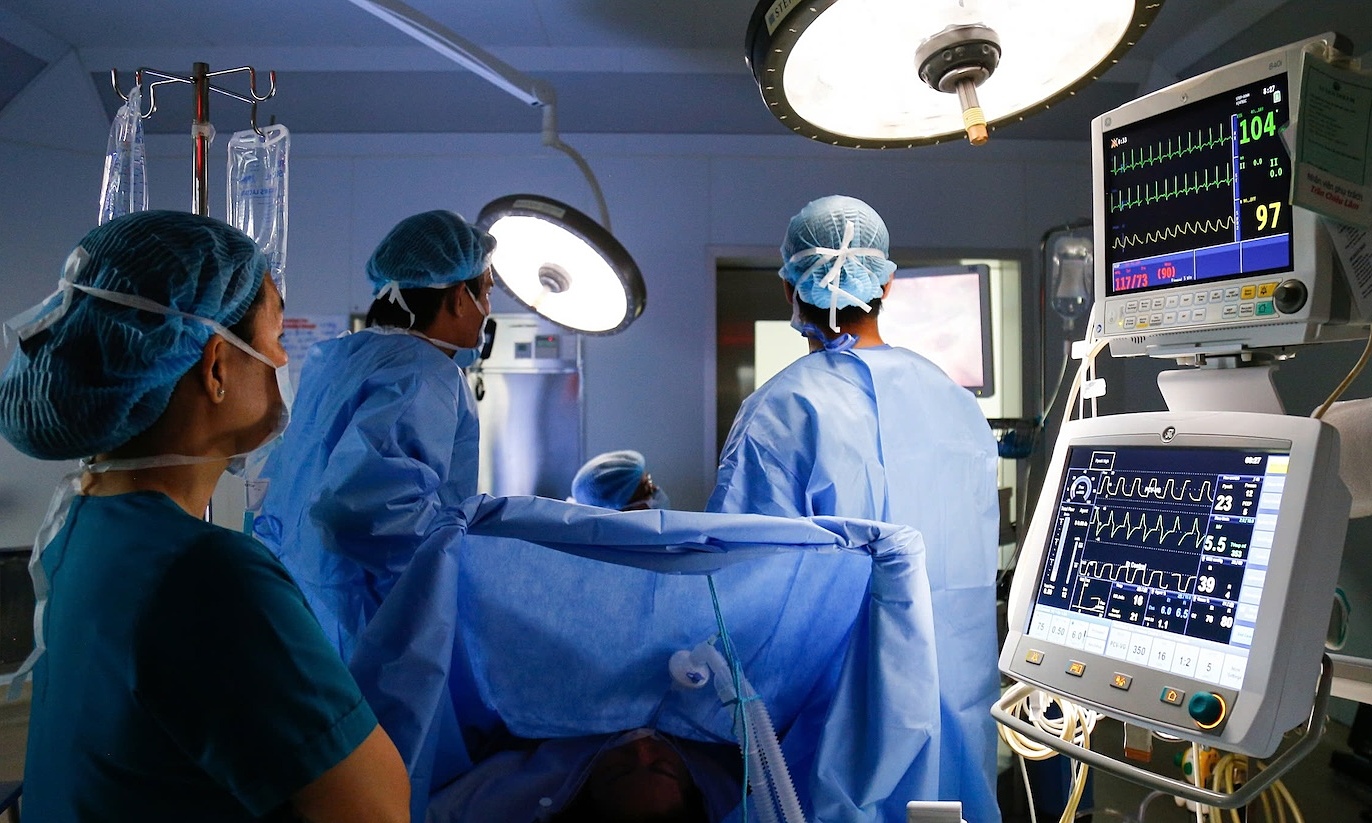
Concurrently, the Day Treatment Department allows patients to undergo surgery and procedures with same-day discharge. This model ensures efficiency and safety, reducing hospital stays, alleviating psychological pressure, and minimizing disruption to patients' daily routines.
Tang Chi Thuong, Director of the Ho Chi Minh City Department of Health, praised this initiative as a suitable step in developing a "multi-tiered, multi-polar, multi-center" healthcare system. He noted it improves professional quality, optimizes resources, and addresses practical needs. The Department's leader urged the hospital to standardize techniques, enhance training, transfer technology, and conduct public outreach to encourage women to seek early examinations and improve their quality of life.
Le Phuong