While a student, Isabella Cavallo, now an editor in New York, experienced a series of terrifying nightmares. "A recurring dream was that I was driving with a friend, and the car crashed, and we were being chased by someone who wanted to kidnap us," she recalled.
Several years after those haunting dreams, other strange phenomena began to emerge. Hip spasms became increasingly painful, and severe cystic acne flared up, despite her never having experienced these issues before. After medical tests, at age 21, Cavallo was diagnosed with stage two cervical cancer. Now, at 25, after two surgeries and a full recovery, Cavallo shared: "I didn't think much of it then, but now I really wonder if my brain was trying to warn me."
Prodromal dreams: what are they?
While it may sound like science fiction, solid scientific evidence supports the idea that dreams like Cavallo's could be early health warning signs. These are known as prodromal dreams. Doctor Patrick McNamara, a professor of neurology at Boston University School of Medicine, explained: "These dreams can indicate the onset of an illness before any typical medical signs appear."
In a report published last year in the journal Frontiers in Psychiatry, Doctor McNamara noted that prodromal dreams have been documented in numerous studies related to digestive, pulmonary, gynecological, arthritic, autoimmune disorders, cognitive decline, and mental disorders such as bipolar disorder.
Naturally, most dreams, even nightmares that leave you waking up in a cold sweat, are simply the body's response to stress, anxiety, lack of sleep, or even a spicy dinner. However, if dreams change suddenly and dramatically, Doctor McNamara advises: "The first step is to take the dreams seriously. The second step is to discuss them with your family doctor."
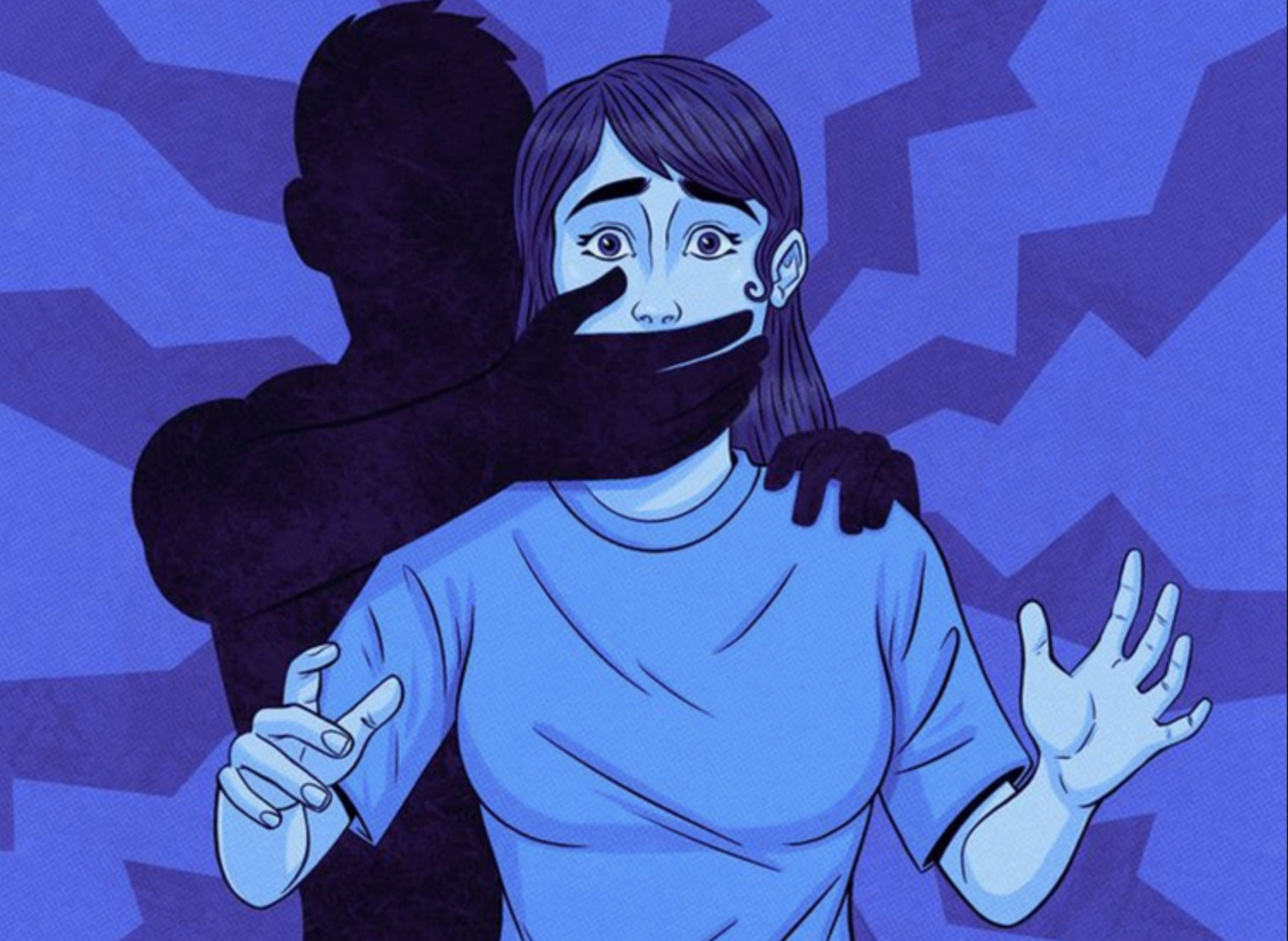 |
Intense nightmares often precede the onset of mental health conditions. Illustration: Brightside |
Clues from evolution
Since ancient times, healers in Greece, Mesopotamia, and China sought clues about illnesses from their patients' sleep. Modern science explains this through the brain's highly sensitive "threat detection circuit."
"Our brains constantly monitor what's happening inside the body, but during the day, we are often distracted by the outside world," explained neurologist Marc Milstein. During sleep, the brain continues to process physical and emotional information that we may not notice when awake.
During REM sleep, threat detection circuits are highly activated. They receive signals from internal sensors like the amygdala. When homeostasis is disrupted, for example, as infection-fighting T-cells become active, the brain sends an "SOS" signal compressed into metaphorical images within dreams.
Identifying types of prodromal dreams
Doctor McNamara stated there is no fixed specific content, but they typically appear in the following forms:
General threat dreams
A common theme involves being chased or attacked by an animal or an unknown man. In evolutionary psychology, the "stranger" symbolizes a prehistoric threat. These intense nightmares often begin before the onset of mental health conditions like depression, bipolar disorder, or schizophrenia.
Specific predictive dreams
Sometimes, dreams offer surprisingly detailed clues. Actor Mark Ruffalo once dreamed he had a brain tumor with a "pure understanding" that he needed to get it checked immediately. An MRI later confirmed a large tumor behind his ear.
A 2015 study of women with breast cancer revealed that 44% of them had dreams featuring the specific keywords "breast cancer" or "tumor" before receiving an accurate diagnosis.
Acting out dreams (REM sleep behavior disorder)
This is the clearest prodromal sign of Parkinson's disease. Individuals with this condition often "act out" their dreams through physical movements. Lewy bodies, which are abnormal proteins, form in the part of the brain that controls paralysis during sleep, causing sufferers to punch, kick, or unconsciously attack their partners. This can be a precursor to Parkinson's by decades.
What should you do?
Do not panic, as not every bad dream signals illness. However, pay attention if the following patterns appear:
Sudden changes: Dreams become vivid, frightening, and continuously repetitive.
Combined factors: For instance, you dream of being chased, see many strangers, and also dream of being injured in the exact location where you feel a strange sensation on your body.
Physical actions: You begin to flail your arms and legs or fall out of bed while dreaming.
Doctor Milstein suggests that if disturbing dreams persist, discuss them with a doctor. This could be an opportunity to review medication side effects, detect early psychological issues, or implement lifestyle changes to prevent neurodegenerative diseases.
Early detection through dreams has helped individuals like Isabella Cavallo and John Poma, a Parkinson's patient, receive timely treatment and maintain a better quality of life. "Dreams are key to early identification," affirmed Doctor Sneha Mantri from the Parkinson's Foundation.
By My Y (Source: Prevention)