The Institute of Space Medicine and Physiology (MEDES) is seeking 10 volunteers for a unique study simulating microgravity conditions, combined with an extreme fasting regimen. Participants will receive over 153 million VND (approximately 5,000 euros) for their involvement.
This project, named BRAHMS (Bed Rest and Hypometabolism Research), was commissioned by the French National Centre for Space Studies (CNES). It aims to gather critical reference data on nutrition and calorie limits for extended space missions. This data will be vital for developing contingency plans for astronauts facing life support system failures or disruptions in food supply. The study is scheduled to begin next june, according to La Depeche du Midi.
The recruitment process started in february. MEDES requires candidates to be between 20-40 years old, in good health, non-smokers, with an active lifestyle and a stable body mass index (BMI). The initial screening includes a stress test on a stationary bicycle under expert supervision to ensure candidates can withstand the rigorous experimental conditions.
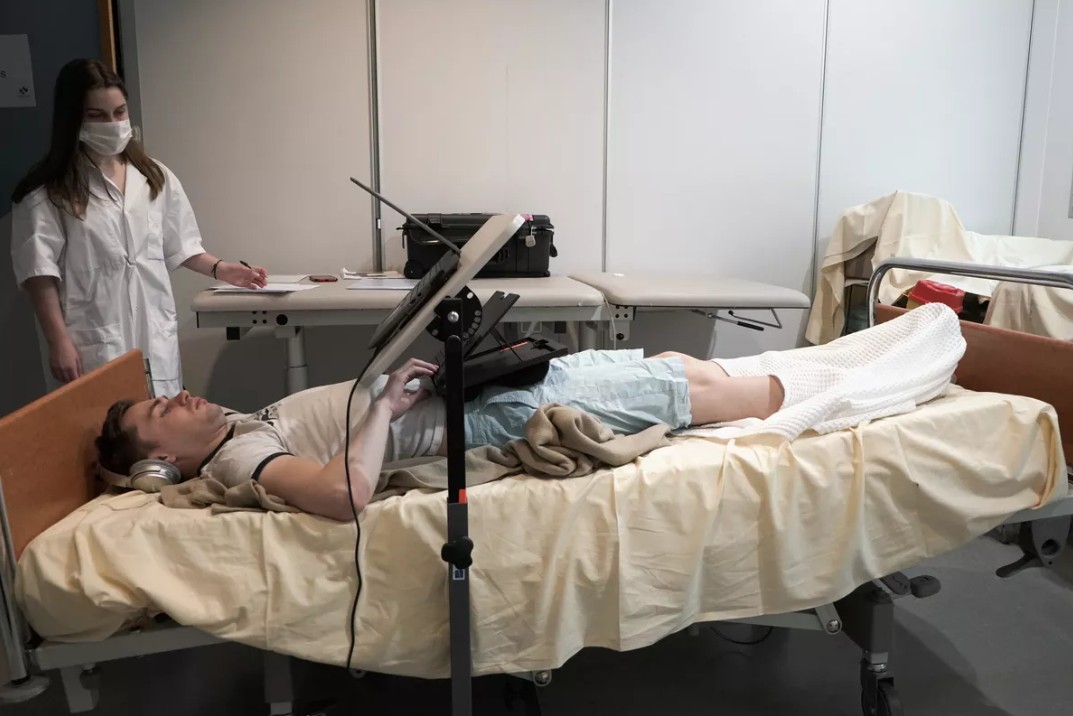 |
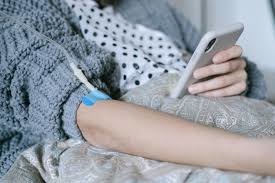
The microgravity simulation study requires participants to lie in bed with their feet elevated above their heads. Photo: MEDES |
The total participation period spans 20 days, with the core challenge phase lasting for 10 continuous days. During this period, volunteers must perform all personal activities, including eating, hygiene, and entertainment such as reading books or using computers, entirely while lying in bed. The specially designed beds are tilted at a -6-degree angle (head lower than feet) to induce a head-down tilt, shifting body fluids towards the upper body and accurately mimicking the physiological effects of a microgravity environment.
A key distinction of the BRAHMS project from previous studies is its extreme nutritional regimen. Doctor Rebecca Billette de Villemeur, head of the space clinic, revealed in Le Parisien that the daily diet will be strictly limited to 250 calories. The menu will consist of only one spoon of honey, some broth, and one glass of fruit juice.
To ensure the volunteers' safety, a dedicated medical team will monitor them 24/24. 12 scientific teams participating in the project will conduct a series of regular, in-depth checks, including: blood tests, urine tests, and psychological evaluations. While direct visits from family members are not permitted, participants can maintain contact via phone.
The findings from BRAHMS are expected to directly support the upcoming mission of Sophie Adenot, who will be the second French female astronaut in history to fly into space. According to current plans, Adenot and three colleagues are scheduled to depart for the International Space Station (ISS) this week, if technical and weather conditions permit.
Binh Minh (According to Le Parisien, La Depeche du Midi)