The individuals were part of a group of more than 80 tourists traveling to Hoa Binh. More than 30 other members of the group experienced similar symptoms and were taken to various other hospitals in Hanoi.
Doctor Dao Tran Tien, from the Department of Gastroenterology, Hepatology, and Pancreatology, stated that patients received fluid administration and electrolyte balance correction. Samples were collected for testing to determine the cause of the illness.
Seven mild cases received symptomatic treatment, prescriptions, and outpatient monitoring. The three remaining individuals were hospitalized due to signs of gastrointestinal infection. Among them, a 42-year-old female patient developed a bloodstream infection, an intestinal infection, and hypokalemia, requiring close monitoring and intensive care.
 |
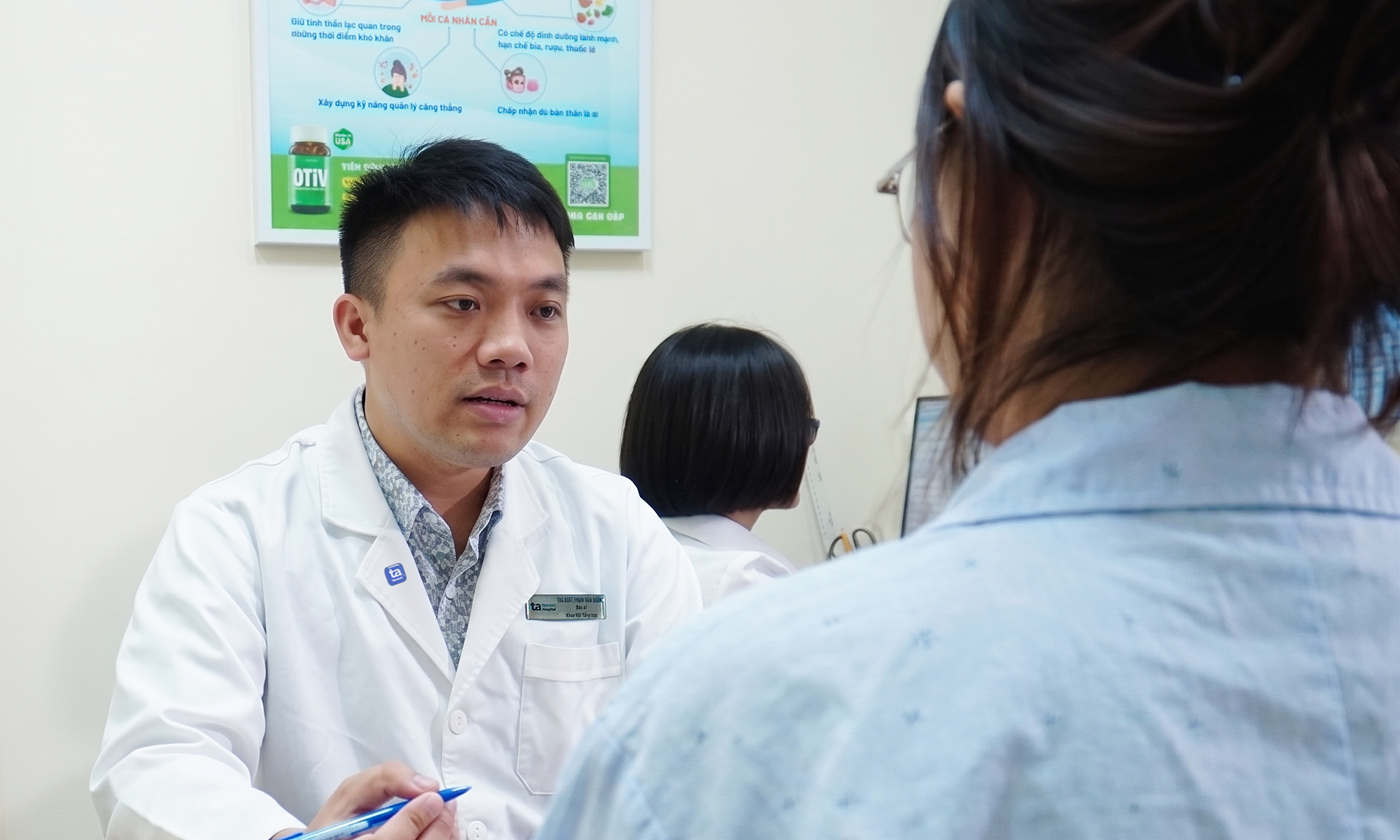
Emergency team triaging patients, administering fluids, and correcting electrolyte imbalances. *Photo: Tam Anh General Hospital*
After several days of treatment, patients responded well, their symptoms improved, and they were discharged for home monitoring.
"The specific pathogen causing the illness cannot be confirmed yet," said Doctor Tien. He added that based on the incubation period and patient symptoms, a gastrointestinal infection linked to a common food source, possibly from intestinal bacteria like e.coli or salmonella, is suspected. Determining the exact cause requires combining test results from multiple patients with epidemiological investigation and food sample analysis (if available).
Doctor Tien further explained that pre-prepared meals served to large groups, if cooked many hours in advance and improperly stored, can create conditions for bacterial growth. The high temperatures of summer are particularly conducive to the rapid proliferation of pathogenic bacteria.
Common signs of food poisoning include dehydration, electrolyte imbalance, low blood pressure, and severe infection if not detected and treated promptly. As the illness progresses, patients risk organ dysfunction, septic shock, and life-threatening complications, especially among the elderly, young children, pregnant women, and individuals with underlying conditions or compromised immune systems.
To prevent food poisoning, Doctor Tien recommended choosing food from clear origins, consuming thoroughly cooked food and safe drinking water, ensuring hygienic preparation, and separating raw and cooked foods to avoid cross-contamination. Cooked food should be consumed promptly or stored at the correct temperature, not left at room temperature for too long.
If abdominal pain, vomiting, diarrhea, or fever appear after a meal, especially when multiple people experience symptoms after the same meal, individuals should seek medical attention early and provide their dietary history to aid doctors in diagnosis. Patients should not self-medicate with antibiotics or anti-diarrhea medication without a doctor's prescription.
Ly Nguyen