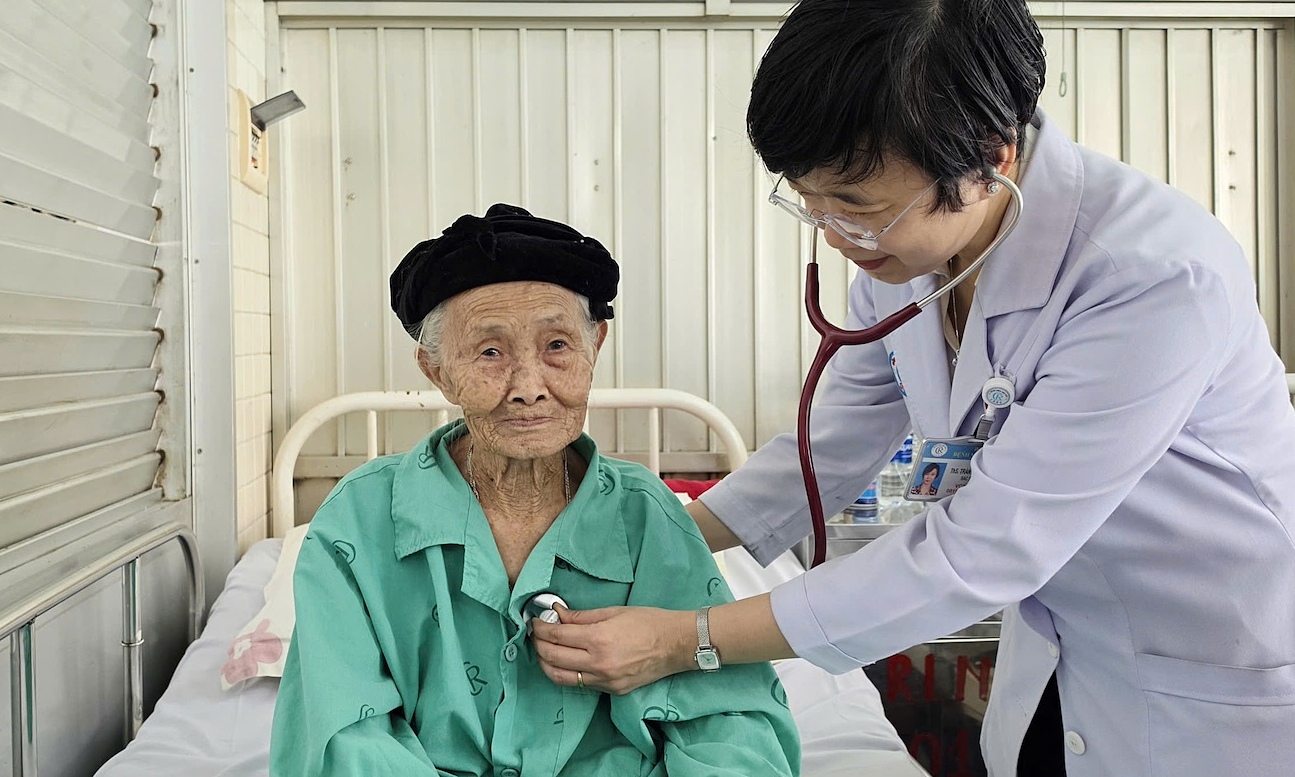
The financial and health burden of hand, foot, and mouth disease (HFMD) in Vietnam is significant, with treatment costs for severe cases reaching nearly 50 million dong. This figure, five times higher than for mild cases, does not include expenses for ongoing care if children develop complications. This concern was highlighted by Doctor Phan Huu Phuc, Deputy Director of the National Children's Hospital and Secretary General of the Vietnam Pediatric Association, at a scientific workshop on EV71 hand, foot, and mouth disease prevention held on the evening of 22/9 in Hanoi.
The average treatment cost for a single HFMD case is over 10,4 million dong. For mild cases, this cost is more than 6,3 million dong. Approximately 70% of this amount covers hospital fees, medication, tests, and other treatment expenses, partially covered by health insurance and partially paid out-of-pocket by families. The remaining 30% accounts for indirect costs such as travel, accommodation for caregivers, and lost income due to time taken off work to care for sick children.
Comparing these figures to the 2025 Household Living Standards Survey by the Ministry of Finance, which reported average monthly incomes of 6 million dong in rural areas and 7,4 million dong in urban areas, Doctor Phuc noted, "The cost of hand, foot, and mouth disease treatment is higher than the average monthly income of the population."
 |
Doctor Phuc stated that each year in Vietnam, hand, foot, and mouth disease results in approximately 7,248 lost healthy years of life, a figure many times higher than in some other Asian countries and regions. *VNVC* |
Doctor Phuc cited the Healthy Life Years index, also known as DALY, which measures the overall disease burden in a community by calculating years lost due to premature death and years lived with impaired health due to illness or its complications. According to estimates, in 2018, the Vietnamese community lost approximately 7,248 healthy years of life annually due to EV71, a common virus causing HFMD. This figure underscores that the disease's impact extends beyond the acute treatment phase.
Hand, foot, and mouth disease is an infectious illness caused by the Enterovirus group, primarily transmitted through the digestive tract and contact with saliva, secretions, feces, or contaminated objects. It commonly affects children under 6 years old and spreads rapidly in daycares, preschools, and communities. Children can contract HFMD multiple times due to different virus strains and subgroups within the Enterovirus (EV71) species.
First recorded in Vietnam around 2003, the disease caused a major epidemic in 2012 with hundreds of thousands of cases and over 100 deaths. Associate Professor Doctor Tran Dac Phu, former Director of the Department of Preventive Medicine, Ministry of Health, stated that Vietnam still records nearly 100,000 cases annually, despite regular implementation of hygiene, disinfection, and epidemic prevention measures in schools.
Children with HFMD typically experience mild symptoms such as fever, sore throat, mouth sores, and a rash on their hands and feet, recovering within 7-10 days. However, some cases can rapidly worsen, leading to neurological, cardiovascular, and respiratory complications, and even death. Children with severe disease may suffer long-term complications for many years, including difficulty swallowing, respiratory paralysis, ventilator dependence, or delayed neurological development.
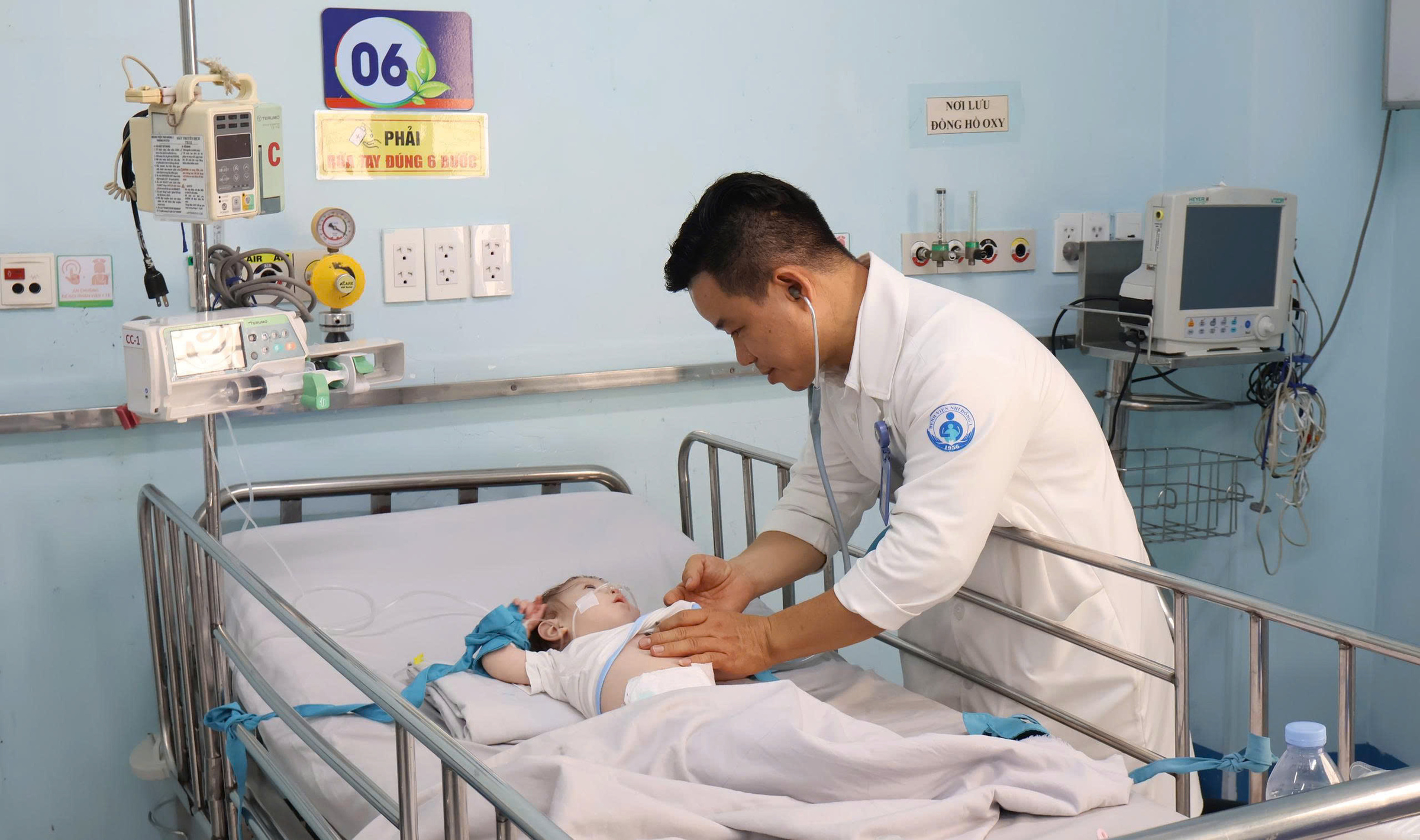 |
Children hospitalized for hand, foot, and mouth disease treatment at Children's Hospital 1, TP HCM. *Phuc Linh* |
To address this burden, an EV71 vaccine was approved by the Ministry of Health in March, providing an additional proactive prevention measure. According to Doctor, Level I Specialist Bach Thi Chinh, Medical Director of the VNVC Vaccination Center System, the vaccine, distributed by Swiss pharmaceutical company Substipharm Biologics, is approved for children from 2 months to under 6 years of age. Clinical trials involving 3,000 participants, including 82,9% Vietnamese children, demonstrated the vaccine's high efficacy, strong immune response, proven safety, and prolonged protection. The vaccine also showed the ability to prevent reinfection from different subgroups of the EV71 strain.
Doctor Chinh recommends that children receive the EV71 vaccine as early as possible to develop immunity before the high-risk period. The vaccine can be administered concurrently with many other scheduled vaccines, requiring no minimum interval when used with other types.
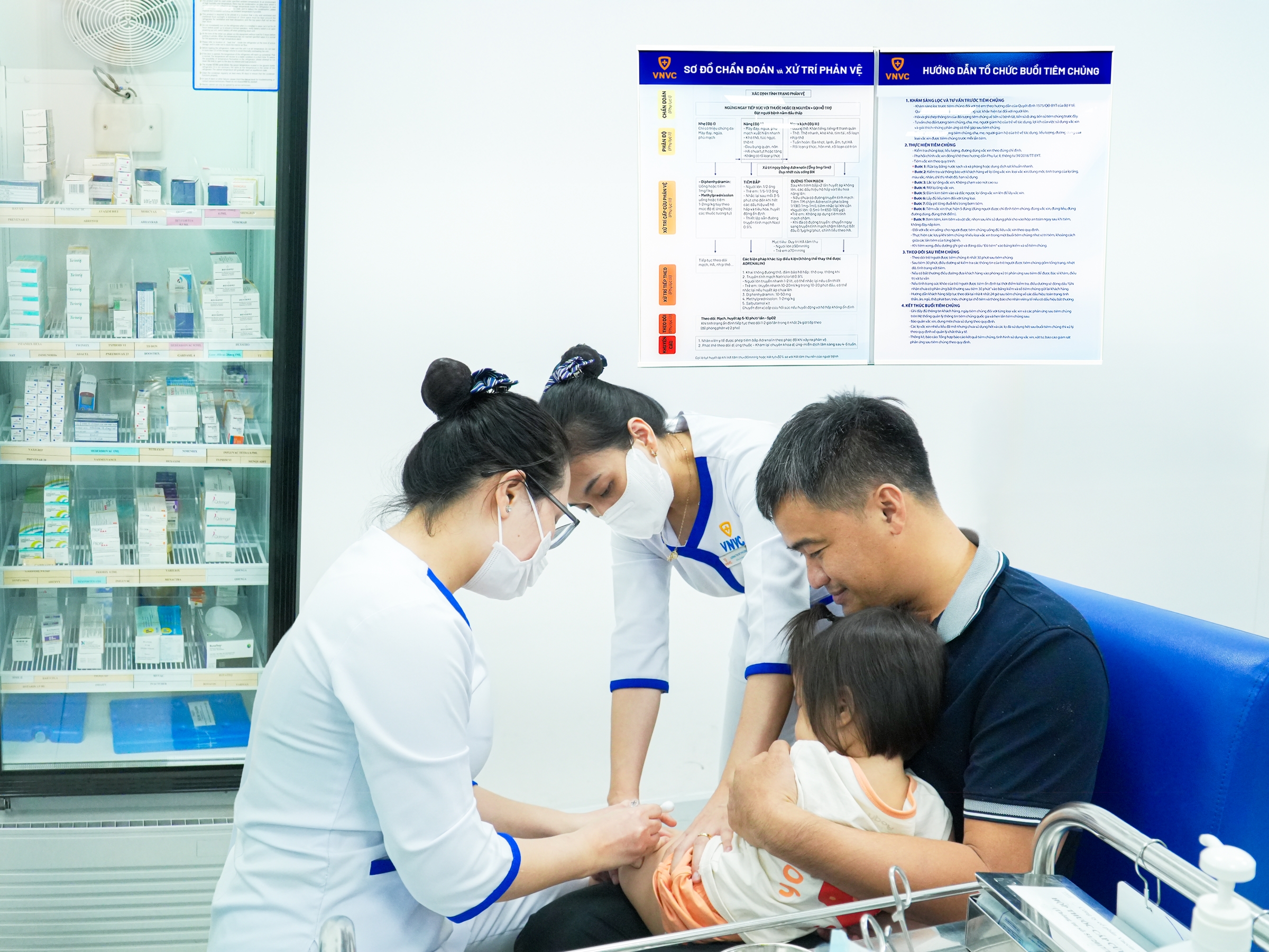 |
Young children receiving vaccinations at the VNVC Vaccination System. *Binh An* |
VNVC plans to begin administering the hand, foot, and mouth disease vaccine from late September at nearly 300 centers nationwide.
Associate Professor Phu emphasized the need for specific plans, adequate supply, and coordination among vaccination providers, manufacturers, specialized institutes, local authorities, and the CDC. Before vaccination, the public must be clearly informed that the vaccine only protects against EV71, and that hygiene practices, such as cleaning toys and contact surfaces, remain crucial to prevent the disease caused by other hand, foot, and mouth disease strains.
Chi Le