Doctor Le Thi Huong Giang, Head of the Nutrition Department at Hospital 19-8 (Ministry of Public Security), noted that during intense heatwaves, many people turn to brewing various "liver-cooling, detoxifying" beverages, such as gotu kola, black bean, or corn silk water. However, a common misconception leads many to overuse these drinks, consuming them throughout the day instead of plain water, believing that natural plant-based concoctions are inherently good for health.
In reality, herbal infusions like corn silk or plantain water have a mild diuretic effect. Prolonged, large-volume consumption without adequate water replenishment can increase the risk of dehydration, especially for sensitive individuals. Many interpret frequent urination as a sign of effective "detoxing," but increased urination does not necessarily equate to improved health.
Some individuals consume two liters of gotu kola water daily to "cool their liver" or drink strong black bean water exclusively throughout summer, completely replacing plain water. Another common mistake is drinking several glasses of ice-cold water immediately after sun exposure, then consuming almost no plain water for the rest of the day. Additionally, drinking excessively cold water or rapidly consuming liquids on an empty stomach can cause stomach discomfort and does not effectively rehydrate sensitive individuals.
Moreover, many commercially available "cooling drinks," such as packaged gotu kola with milk, jelly tea, or ginseng beverages, contain significant amounts of sugar. Consuming these frequently can lead to weight gain and paradoxically make the body feel thirstier sooner.
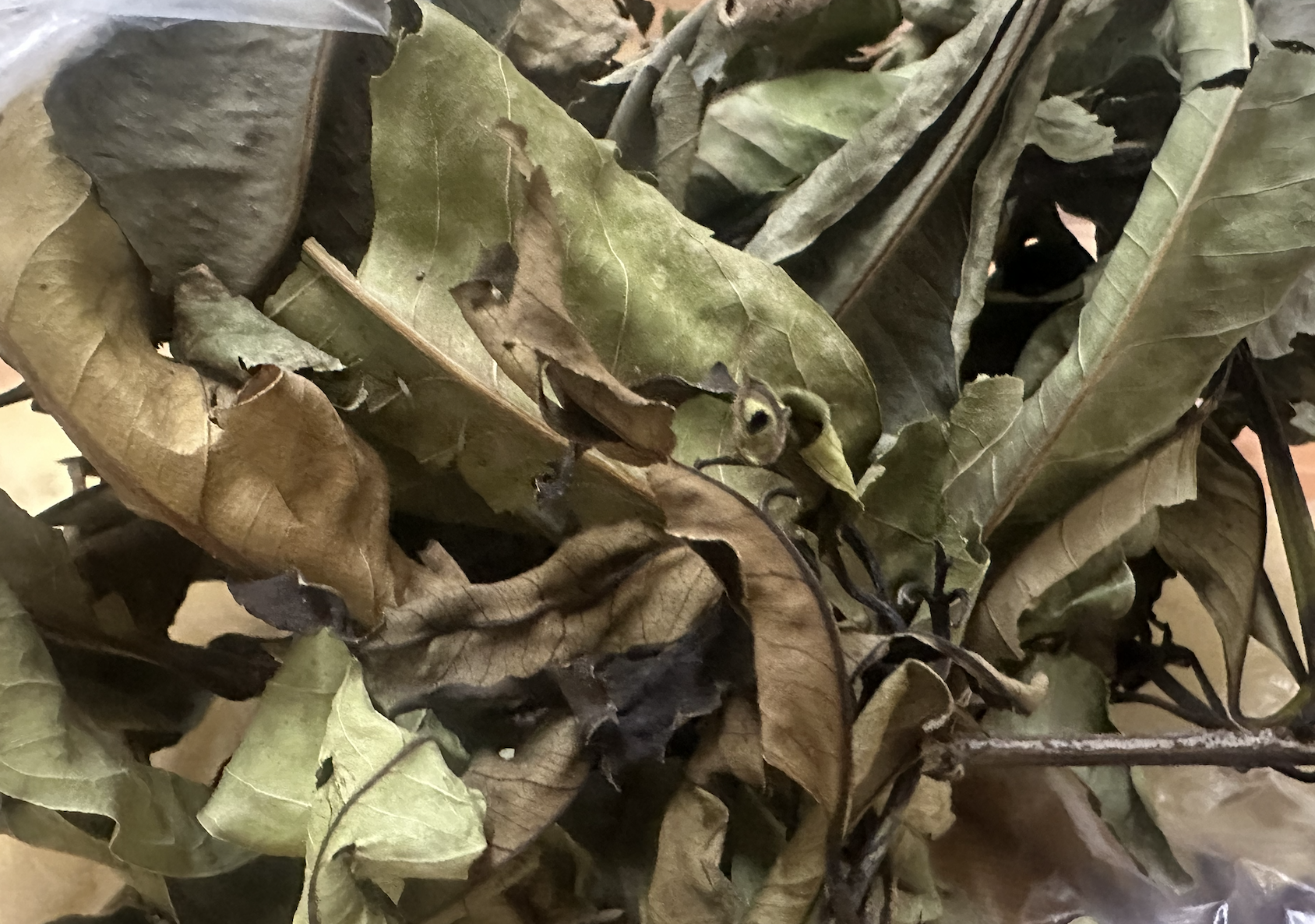 |
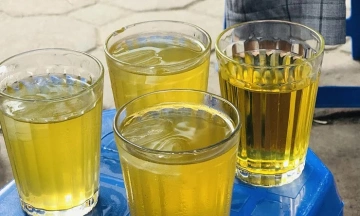
Voi leaves are used to brew cooling drinks, but should not be overused or replace plain water. Photo: Thuy Linh |
Voi leaves are used to brew cooling drinks, but should not be overused or replace plain water. Photo: Thuy Linh
According to the World Health Organization (WHO), plain water remains the optimal source of hydration in hot weather. Therefore, instead of waiting until thirsty to drink, it is advisable to consume smaller amounts of water consistently throughout the day. A healthy adult typically needs about 1,5–2,5 liters of water daily, depending on their activity level and the weather conditions.
For individuals working outdoors or in hot environments, such as factory workers, delivery personnel, farmers, or construction workers, hydration needs can be significantly higher due to substantial sweat loss. This group should drink small sips continuously and consider supplementing with oresol or electrolyte drinks as directed when necessary. Enjoying a small glass of herbal, bean, or fruit-based drink is vastly different from consuming it continuously all day.
"These should be viewed as supplementary beverages, not replacements for plain water," Doctor Giang stated. A reasonable intake for common herbal drinks is generally no more than 300–500 ml per day. Consumption should cease if the body shows any signs of discomfort.
The elderly, young children, and individuals with kidney disease, diabetes, cardiovascular conditions, or sensitive digestive systems should especially avoid prolonged, self-prescribed use of herbal drinks based on social media trends without professional medical advice. It is also important to limit excessively cold ice water, carbonated soft drinks, and sugary beverages, as these can contribute to greater dehydration.
Thuy An