Japan boasts one of the world's highest average life expectancies. Beyond its healthcare system and healthy lifestyles, the nation's traditional diet and scientific eating habits significantly contribute to its citizens' enhanced health and longevity.
A cornerstone of Japanese eating is Hara Hachi Bu, a principle advocating stopping when 80% full, rather than eating to complete satiety. As reported by Times of India, this practice helps limit calorie intake, allowing the brain time to register fullness. This reduces the risk of overeating and aids long-term weight management.
Fiber-rich foods are also key, exemplified by the Japanese sweet potato, a staple in the Okinawan diet. This tuber provides fiber, complex carbohydrates, vitamins, and minerals.
According to Verywell Health, the fiber in Japanese sweet potatoes slows digestion, extending satiety and aiding in controlling food intake at subsequent meals. This makes it a valuable choice for weight maintenance when combined with a balanced diet and healthy lifestyle.
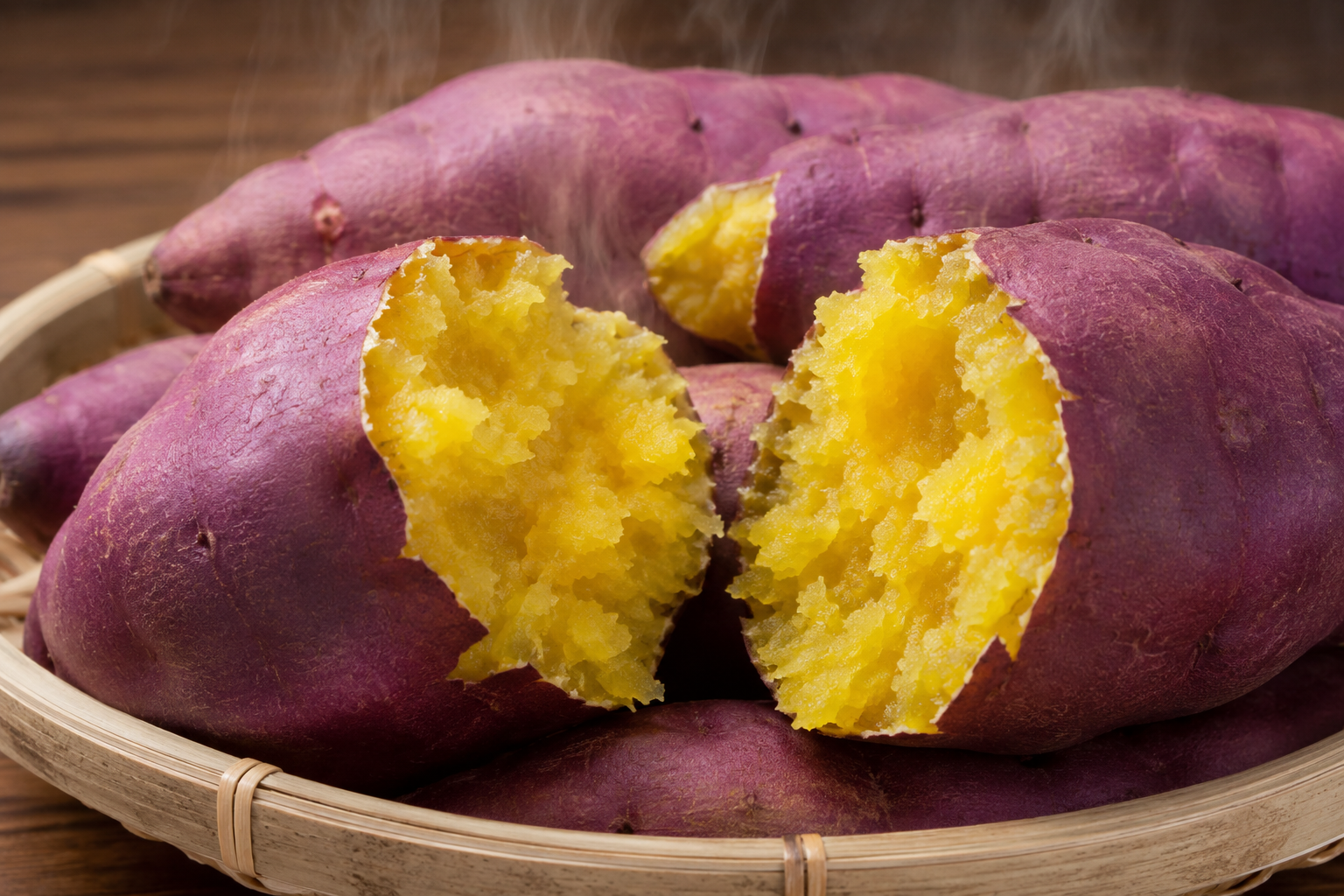 |
Japanese sweet potatoes are rich in fiber, which can help increase satiety, contributing to controlling daily food intake. Photo created by AI. |
Rather than a single large main dish, traditional Japanese meals feature several small, diverse items, such as rice, soup, fish, tofu, and vegetables. Serving portions on multiple small plates promotes a balanced meal and creates a sense of abundance, encouraging slower, more mindful eating.
The traditional Japanese diet emphasizes vegetables, fish, seafood, seaweed, and soy-based products like tofu, natto, and miso. Conversely, red meat, processed foods, sugar, and fats constitute a small portion of their intake.
Healthline notes that fiber-rich vegetables, soups, and soy-based foods contribute to satiety, aiding weight control. Fish and seafood further provide high-quality protein, essential for maintaining muscle mass during weight management.
Snacking between meals is not a common practice in the traditional Japanese diet. Desserts, when consumed, typically consist of fruit, matcha, or red beans, rather than items laden with added sugar.
This dietary approach also restricts pastries, soft drinks, processed foods, and high-fat items. Reducing these sources of "empty" calories helps control overall daily energy intake, supporting physique maintenance.
Bao Bao (Compiled)