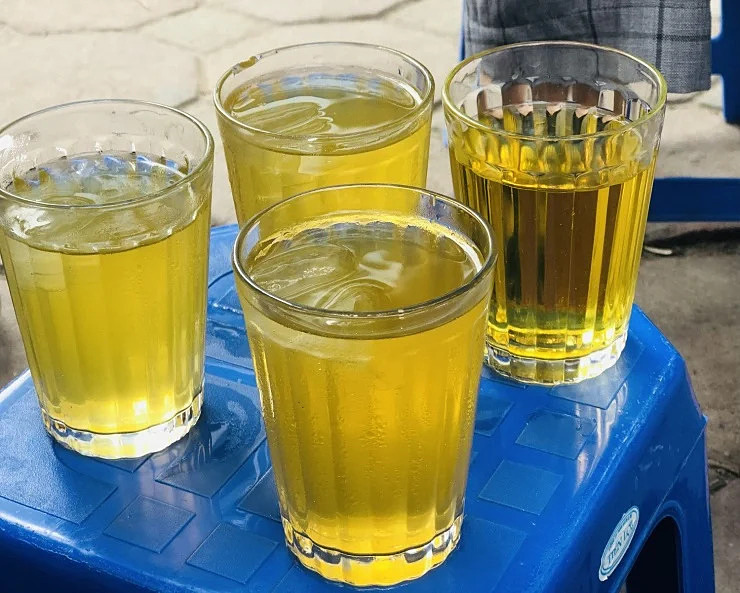
Iced tea, commonly enjoyed on Vietnamese sidewalks, is often made from green tea, a beverage known for its refreshing qualities and rich antioxidant content. When consumed in moderation as part of a healthy diet and lifestyle, green tea can support liver health and reduce the risk of certain liver conditions.
 |
The primary benefits of green tea stem from its powerful antioxidant compounds, particularly catechins like epigallocatechin gallate (egcg). Egcg helps reduce fat accumulation in the liver, mitigate oxidative stress, improve insulin resistance, and lessen inflammatory responses. Regular consumption of green tea can therefore contribute to improved liver health for individuals with fatty liver disease.
Maintaining a daily green tea habit is also associated with improved liver enzyme levels. Furthermore, the catechins in green tea enhance antioxidant defense, reduce inflammation, support fat metabolism, and protect liver cells from free radical damage.
However, tea is only one component of a healthy lifestyle and should not replace medical treatments or other essential health practices. A balanced diet rich in vegetables and fiber, lean proteins, and healthy fats is crucial. Limiting sugar, refined carbohydrates, and saturated fats is advised, alongside regular exercise, avoiding alcohol and smoking, and minimizing exposure to harmful chemicals.
Overall, consuming green tea or iced tea daily is safe when done in moderation. Avoid drinking it too strong or on an empty stomach, as this can cause stomach discomfort. Individuals with liver disease or those undergoing treatment for chronic conditions should consult a doctor before using green tea extracts or high-dose egcg supplements.
Doctor Nguyen Trong Thuy
Former head doctor of the National and U23 Vietnam Teams