Genital warts are primarily caused by human papillomavirus (HPV) types 6 and 11. The virus, which carries DNA, persists in skin and mucous membrane areas. Current treatments focus on removing visible lesions such as warts and papules using medication, electrocautery, laser, or surgery. Each technique has advantages and disadvantages, potentially causing pain, swelling, redness, and even scarring. A study on 107 patients treated at Can Tho Dermatology Hospital from 2022 to 2023 reported 1,87% experienced bleeding, 23,4% pain, and 14,9% edema after surgery.
HPV persists silently in the body and is not completely eliminated after treatment. The condition can recur when the immune system is weakened by illness, medication, stress, or skin damage. The study in Can Tho showed that 17,1% of patients experienced recurrence, with recurrence times ranging from one to two months post-treatment. This rate depends on overall health, immune status, viral load, and HPV vaccination status.
Patients need to attend scheduled follow-up appointments to detect new lesions early and receive timely treatment. Discontinuing treatment can lead to worsening lesions, increased risk of complications, and impact sexual health and quality of life.
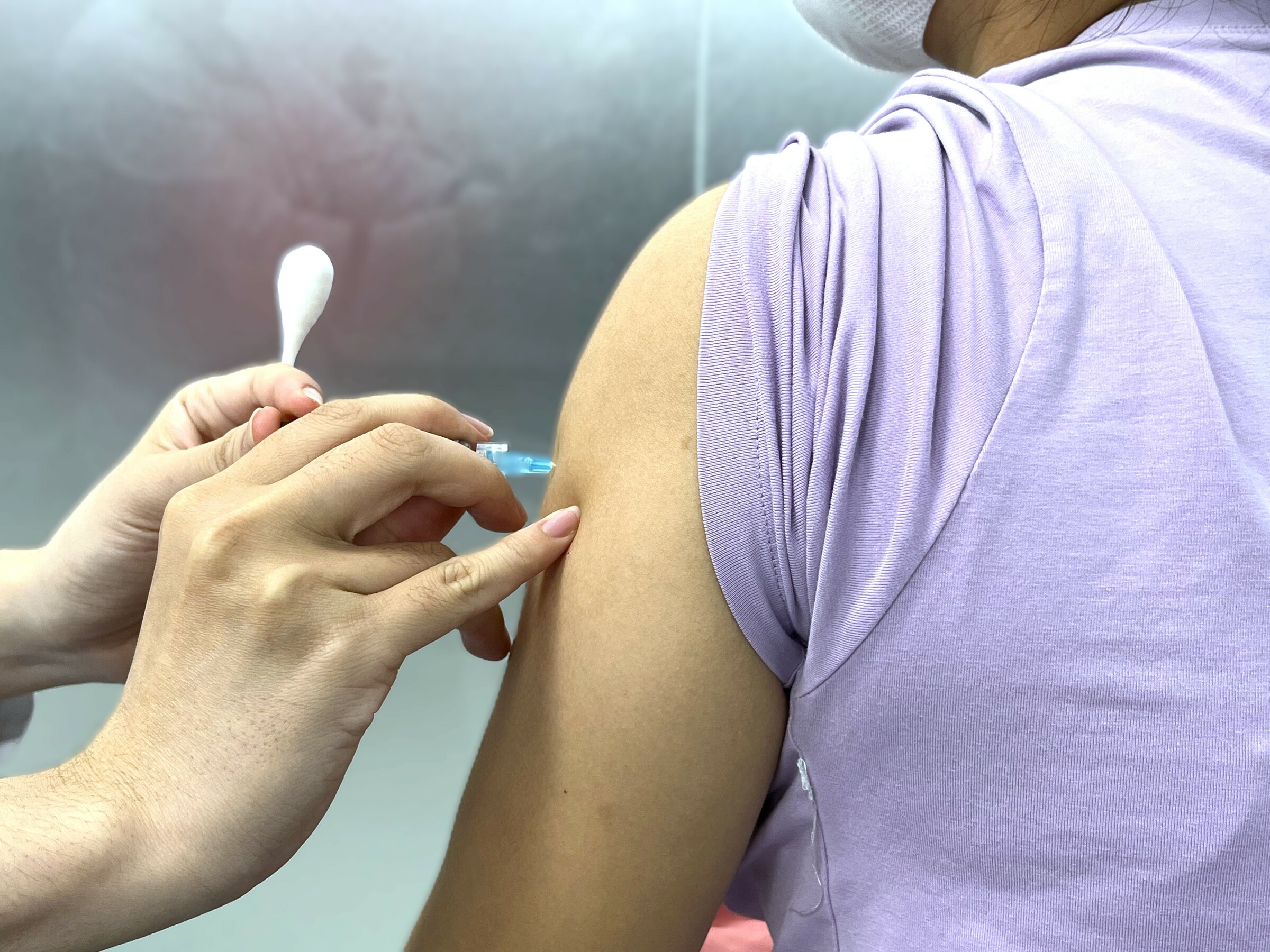 |
HPV vaccines do not treat genital warts; however, they help patients avoid reinfection once the body eliminates the virus and prevent infection with high-risk, cancer-causing types. *Photo: Dieu Thuan* |
HPV vaccines do not treat genital warts, but they can reduce the risk of recurrence once the body has cleared the virus. They also protect against high-risk, cancer-causing HPV types such as: 16, 18, 31, 33, 45, 52, and 58. Studies indicate that vaccines prevent genital warts in up to 95% of cases and prevent HPV-related cancers in over 90% of both men and women.
Patients should get vaccinated as recommended, while also boosting their immune system through a balanced diet, adequate sleep, vitamin supplements, regular exercise, and stress reduction. During treatment, sexual activity should be avoided to limit virus transmission.
Currently, Vietnam offers two types of HPV vaccines: Gardasil and Gardasil 9. Gardasil 9 protects against HPV types 6, 11, 16, 18, 31, 33, 45, 52, and 58, and is administered to both males and females aged 9 to 45. The recommended schedule for children aged 9 to under 15 years is two doses administered 6 to 12 months apart, while individuals aged 15 to 45 years receive three doses 6 months apart.
Doctor Mai Ha Thanh
Chief Doctor, VNVC Dien Bien Phu Center
Readers can submit vaccine-related questions for a doctor's response here.