These recommendations are outlined in the Handbook on Physical Activity Guidelines for Community Health Promotion, recently issued by the Ministry of Health.
The new handbook suggests parents spend time reading, telling stories, conversing, and playing with their children, encouraging outdoor activities instead of allowing them to be glued to screens. These guidelines stem from scientific research highlighting the detrimental effects of excessive electronic device use at various stages of child development.
For children under two years old, extended screen time can delay language development, decrease interaction with caregivers, weaken emotional bonding, and hinder basic motor skills like crawling, walking, and running. In the 2-5 age group, excessive phone and television use reduces creativity, impairs concentration, and limits communication and cooperation skills due to less interaction with peers and the surrounding environment.
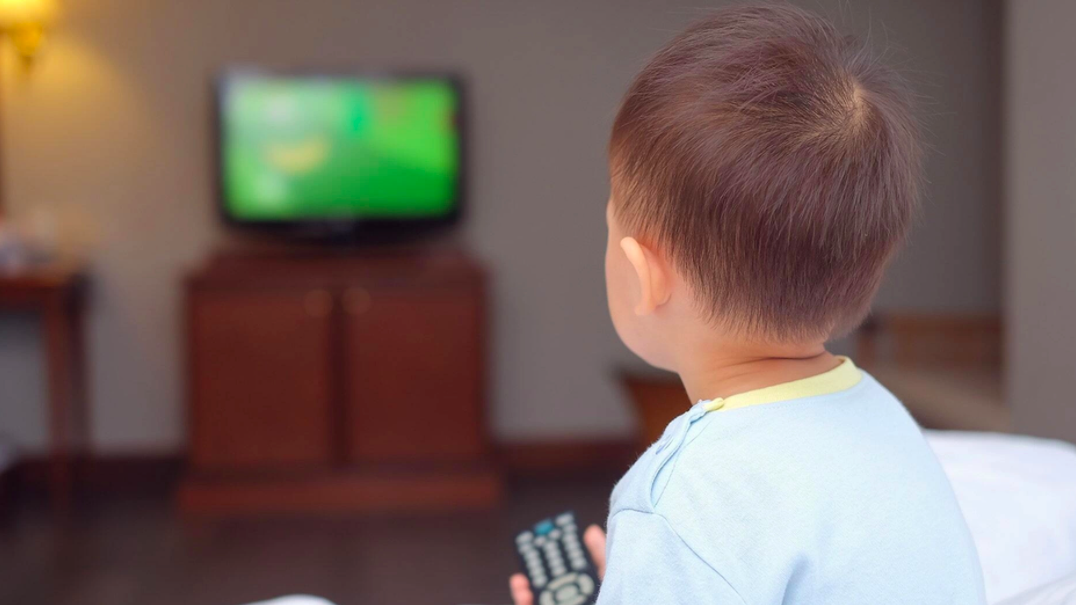 |
Children should not watch television or use phones for more than one hour daily. Photo: iStock |
Children aged 6-9 face risks of reduced physical activity and weight gain due to sedentary screen habits, also missing opportunities to explore hobbies and talents. For those aged 10-13, blue light from screens disrupts sleep, diminishes family connections, and increases the risk of early exposure to inappropriate online content.
To counter excessive screen time, the Ministry of Health emphasizes that physical activity is crucial for a child's comprehensive development. Movement enhances physical growth (muscles, bones, height), improves sleep, boosts brain development, and fosters early motor and communication skills.
Children under one year old need frequent physical activity throughout the day, including tummy time, crawling, and practicing walking, totaling at least 30 minutes daily. Children aged one to under five should engage in at least 180 minutes of activity daily. Specifically, children aged 3-5 require a minimum of 60 minutes of moderate-to-vigorous activity, such as running, jumping, cycling, swimming, or throwing and catching a ball.
The Ministry of Health also cautions against allowing children to sit or lie for extended periods in strollers, prams, or fixed seats. Instead, it encourages a mix of indoor and outdoor activities to reduce sedentary time.
For adults, the recommendation is to maintain physical activity for at least 5 days weekly. Each person should dedicate 150-300 minutes to moderate-intensity activity per week, equivalent to about 30-60 minutes daily, or 75-150 minutes of vigorous-intensity activity, or a combination of both.
Notably, the Ministry of Health encourages businesses to allocate time for employees to exercise during breaks, organize sports activities, and reward those who actively engage in physical training.
Le Nga