The concept of Blue Zones was introduced by demographers Gianni Pes and Michel Poulain in 2004, following their discovery of an unusually high proportion of men living over 100 years old in Nuoro province, Sardinia, Italy.
Explorer Dan Buettner, collaborating with National Geographic, expanded this research, identifying four additional regions: Okinawa (Japan), the Nicoya Peninsula (Costa Rica), Ikaria (Greece), and Loma Linda (California, US).
At 50, Blue Zone residents do not declare a diet to live another half-century. They do not count calories, take vitamin supplements, measure protein intake, or read food labels. Instead, they enjoy food as a pleasure. Let's explore what makes the diet of the world's longest-living people special:
95% plant-based foods
A common thread among centenarians worldwide is their prioritization of plants. Their diets center on beans, sweet potatoes, yams, fruits, nuts, and whole grains.
Leafy green vegetables like spinach, kale, beet greens, and Swiss chard are consistently part of their meals. Additionally, fresh fruit is an essential daily nutrient source.
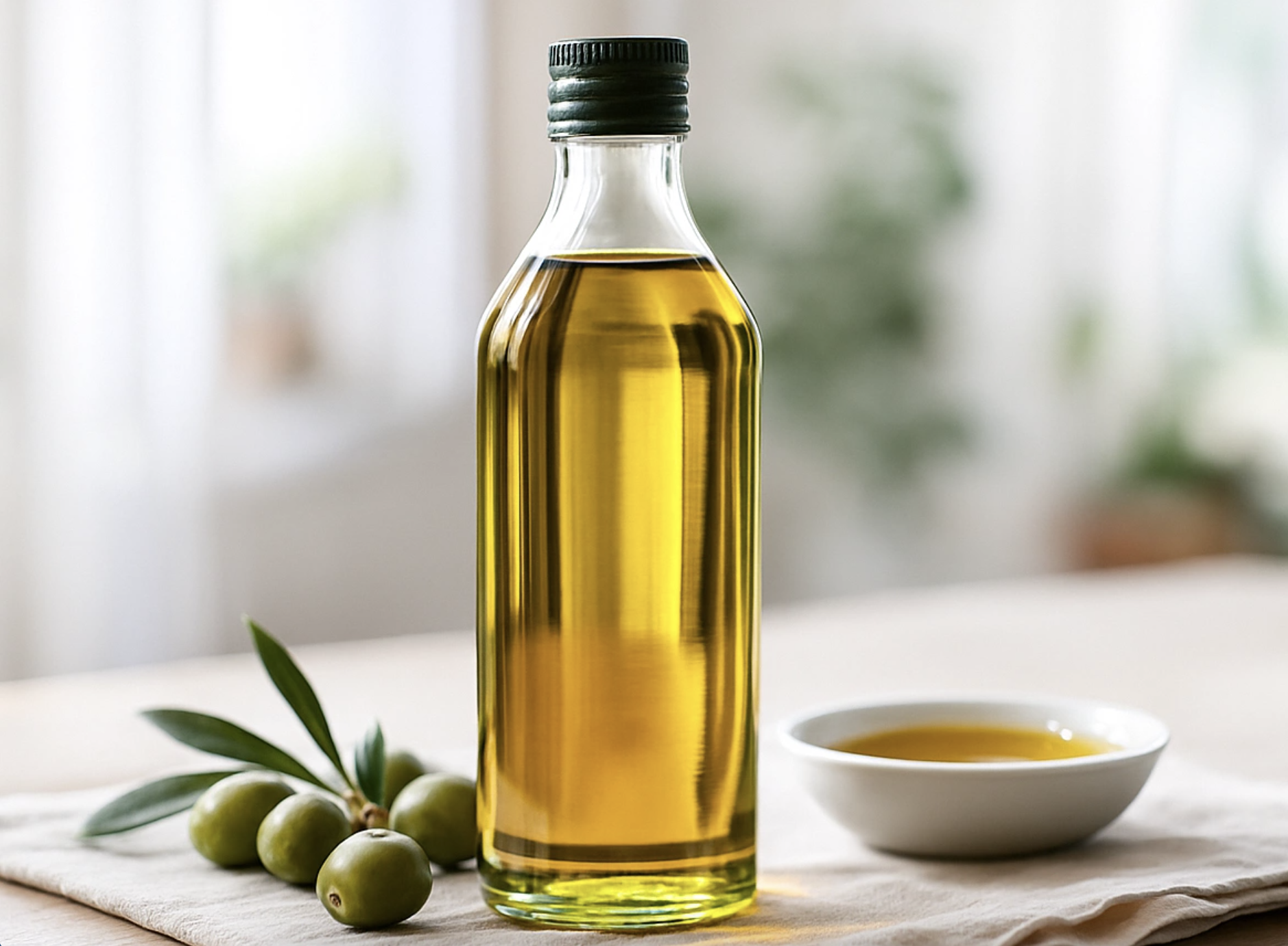 |
Olive oil is the "king" in Blue Zones' kitchens. Photo created by AI |
Prioritizing plant-based fats
Olive oil is the "king" in Blue Zones' kitchens. This oil is proven to increase good cholesterol, decrease bad cholesterol, and aid in diabetes management.
In Ikaria (Greece) – one of the world's five Blue Zones – research indicates that middle-aged individuals consuming about 6 tablespoons of olive oil daily can reduce their risk of death by up to one-half.
Healthy snacks
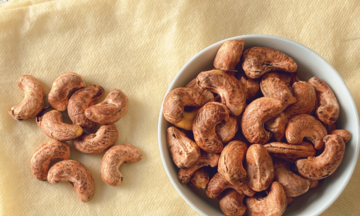
Instead of industrial sweets, long-lived individuals choose nuts as snacks. According to the Adventist Health Study 2, people who regularly consume nuts typically live two to three years longer on average than those who do not.
Beans
Each longevity region features a "specialty" bean: black beans in Nicoya; lentils, chickpeas, and white beans in the Mediterranean region; and soybeans in Okinawa.
A World Health Organization (WHO) study conducted in five countries revealed that consuming just 20 grams of beans daily reduces a person's risk of death in any given year by approximately 8 percent.
However, the longevity diet is not a temporary intervention. It is skillfully integrated into daily life: through shared family meals, the habit of eating slowly, social connections, and natural physical activity.
My Y (According to Times of India)