The respiratory system, comprising the nose, throat, larynx, trachea, bronchi, alveoli, chest, and associated muscles, facilitates breathing. These components work in concert to circulate oxygen throughout the body and remove waste gases like carbon dioxide. Each part fulfills distinct functions, supporting respiration, sound production, and a keen sense of smell.
The respiratory system is susceptible to damage and illness from various external agents, primarily pneumococcus, respiratory syncytial virus (rsv), and meningococcus. Young children, possessing immature immune systems, are particularly vulnerable.
Professor, Doctor Tran Minh Dien, Director of the National Children's Hospital and President of the Vietnam Pediatric Association, emphasized the need for a paradigm shift. "To reduce the burden of disease," he stated at the PediaConnect 2026 forum, held in TP HCM from 23-25/5, "we must move from a treatment-focused mindset to proactive prevention. This involves strengthening epidemiological surveillance and raising community awareness about respiratory infectious diseases, particularly in children."
Pfizer Vietnam, in collaboration with the Vietnam Pediatric Association and the National Children's Hospital, organized the forum. This initiative comes as the aforementioned agents are identified as causes of dangerous infectious diseases, characterized by rapid spread and a significant burden on both children's health and public healthcare systems.
Pneumococcus stands as a primary cause of pneumonia, leading to severe invasive pneumococcal disease (ipd) in young children, manifesting as sepsis and meningitis. Critical ipd cases can result in respiratory failure and multi-organ failure. Some instances of pneumococcal meningitis prove rapidly fatal. Even with successful treatment, ipd may leave lasting sequelae, including lung and brain damage, cognitive impairment, and hearing loss.
Doctor Phan Huu Phuc, Deputy Director of Professional Affairs at the National Children's Hospital and General Secretary of the Vietnam Pediatric Association, reported findings from a three-year study at the hospital. The research identified 18 pneumococcal serotypes causing ipd in children, with many falling outside the coverage of existing pneumococcal vaccines. Furthermore, other hospitals have observed pneumococcus developing resistance to common antibiotics, including multi-drug resistance, which complicates, increases the cost of, and prolongs treatment.
Respiratory syncytial virus (rsv) is a causative agent of bronchiolitis in young children, particularly those under six months old. Rsv can co-infect with pneumococcus, necessitating extended hospitalization or intensive care for affected children.
Meningococcal meningitis is a dangerous condition that can progress rapidly, leading to fatalities within a short timeframe. Young children and adolescents are groups that can inadvertently become carriers, transmitting the pathogen in communities, school environments, and crowded settings.
Experts advise immediate medical attention for children exhibiting symptoms such as wheezing, rapid breathing, or stridor. They caution against self-medication or the overuse of antibiotics for respiratory symptoms, as this can lead to adverse effects. Furthermore, children should enhance their physical health through proper nutrition and exercise, frequent handwashing, covering their mouth when coughing or sneezing, wearing masks in crowded areas, and ensuring complete vaccination.
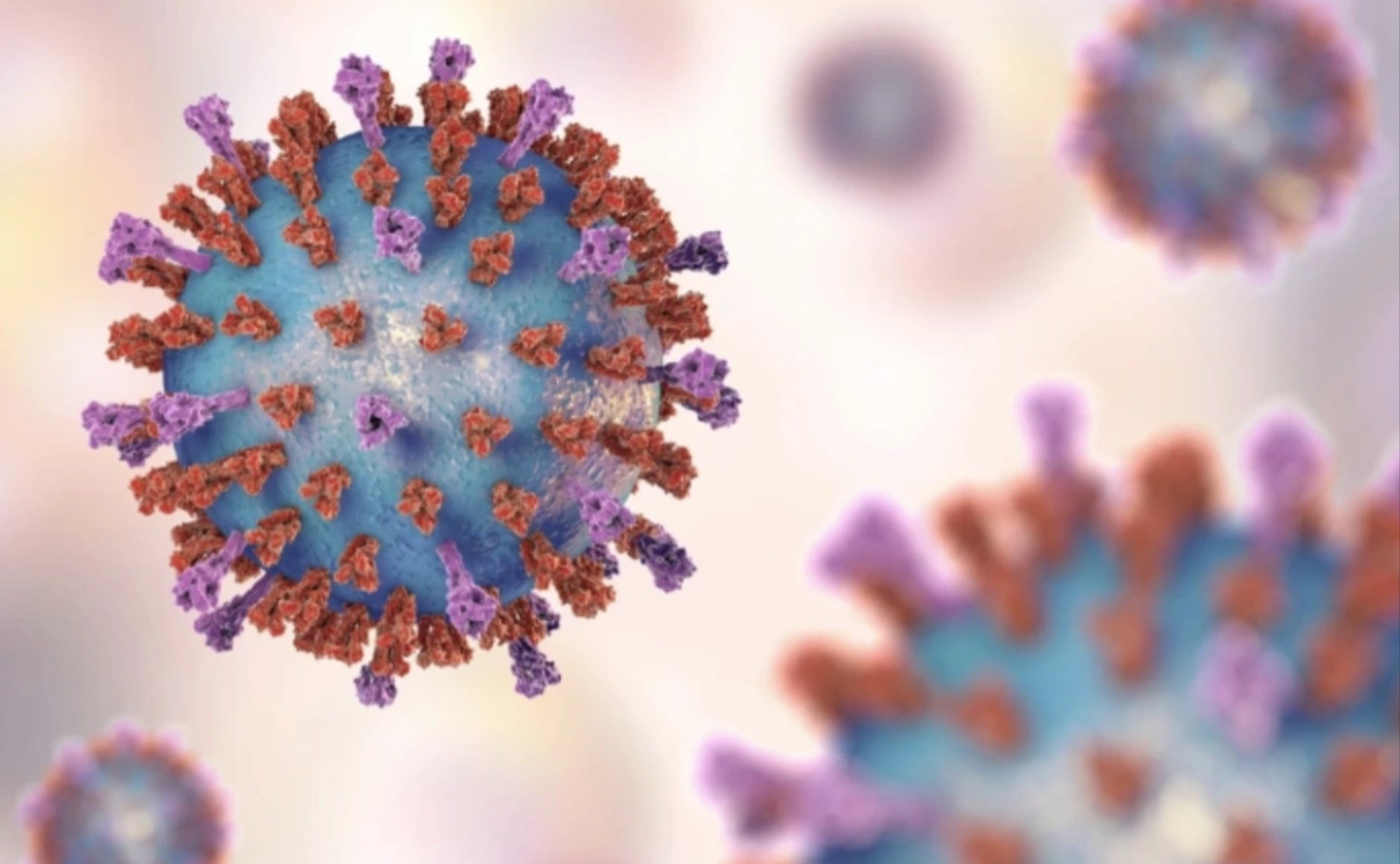 |
Respiratory syncytial virus (rsv) is a leading cause of illness and fatalities in children under six months old. Photo: Science Photo Library |
Respiratory syncytial virus (rsv) is a leading cause of illness and fatalities in children under six months old. Photo: Science Photo Library
Health experts note significant changes in the epidemiological landscape of pneumococcus in Vietnam and Southeast Asia, underscoring the need for proactive disease prevention. Associate Professor, Doctor Nusrat Homaira, from the School of Medicine, UNSW Medicine & Health, Australia, advocated for the synchronized implementation of awareness programs, disease surveillance, and preventive measures.
Professor, Doctor Ron Dagan of Ben-Gurion University echoed this sentiment, sharing Israel's disease prevention experience. He described it as an "effective strategy that combines science, epidemiological surveillance, community communication, and appropriate access" to safeguard children against evolving bacterial strains and rising drug resistance. To support this, Mark Kuo, General Director of Pfizer Vietnam and Thailand, pledged Pfizer's commitment to collaborating with Vietnam and ASEAN. Their goal is to enhance preventive healthcare capabilities and broaden access to medical advancements.
My Y