At Tam Anh General Hospital, TP HCM, Ms. Ngoc's cervical examination revealed a 3 cm mass. Subsequent MRI and biopsy confirmed stage IB2 cervical cancer.
This recent diagnosis followed her battle with stage two breast cancer, identified in 2023. She underwent a right mastectomy and immediate reconstruction using a latissimus dorsi flap, and was continuing hormone therapy as prescribed.
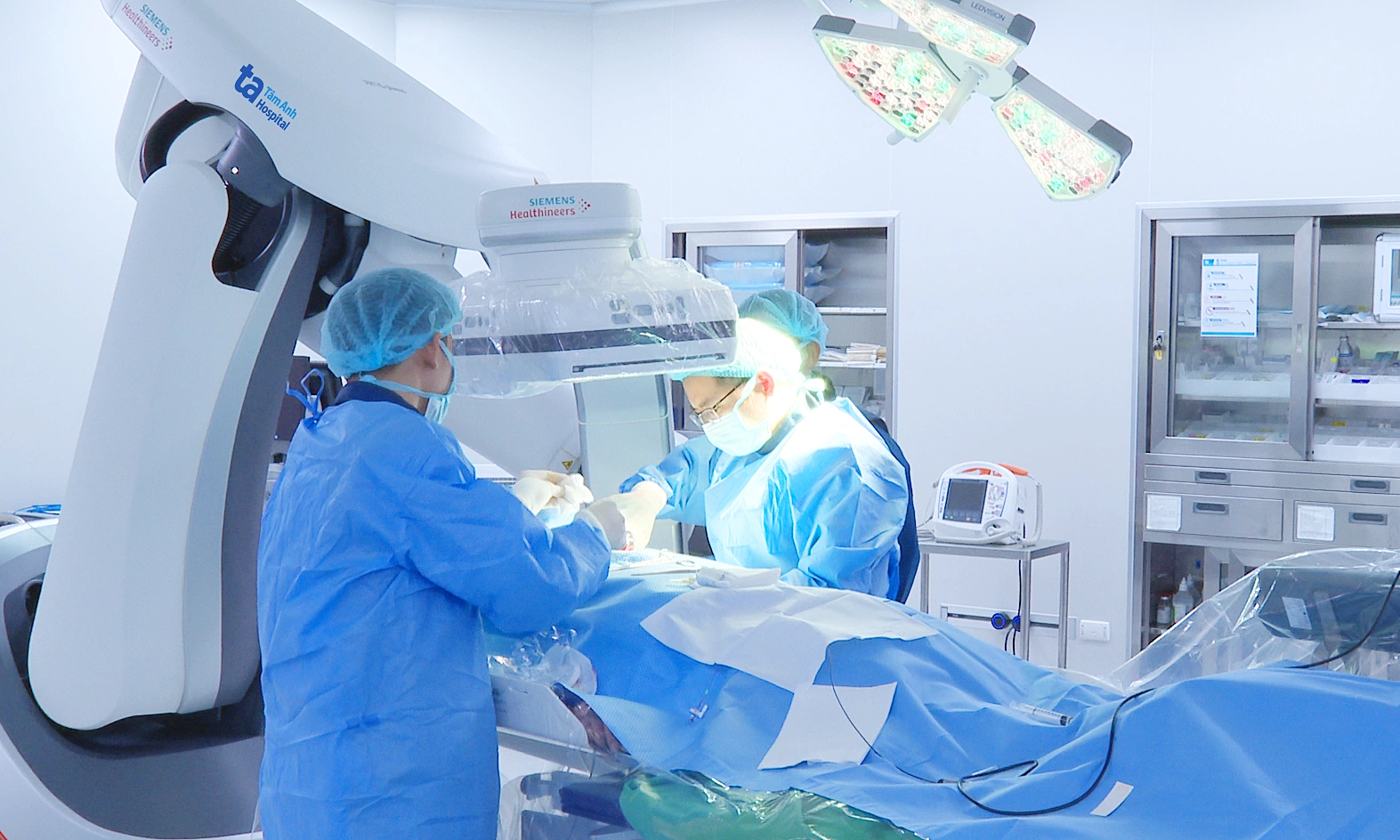
For the cervical cancer, Dr. Huynh Ba Tan, a specialist in surgical oncology at the Cancer Center, opted for radical treatment. This involved a hysterectomy, removal of all surrounding tissue, and bilateral pelvic lymphadenectomy. The procedure was performed through a horizontal incision, similar to a C-section incision, balancing effective treatment with aesthetic outcomes.
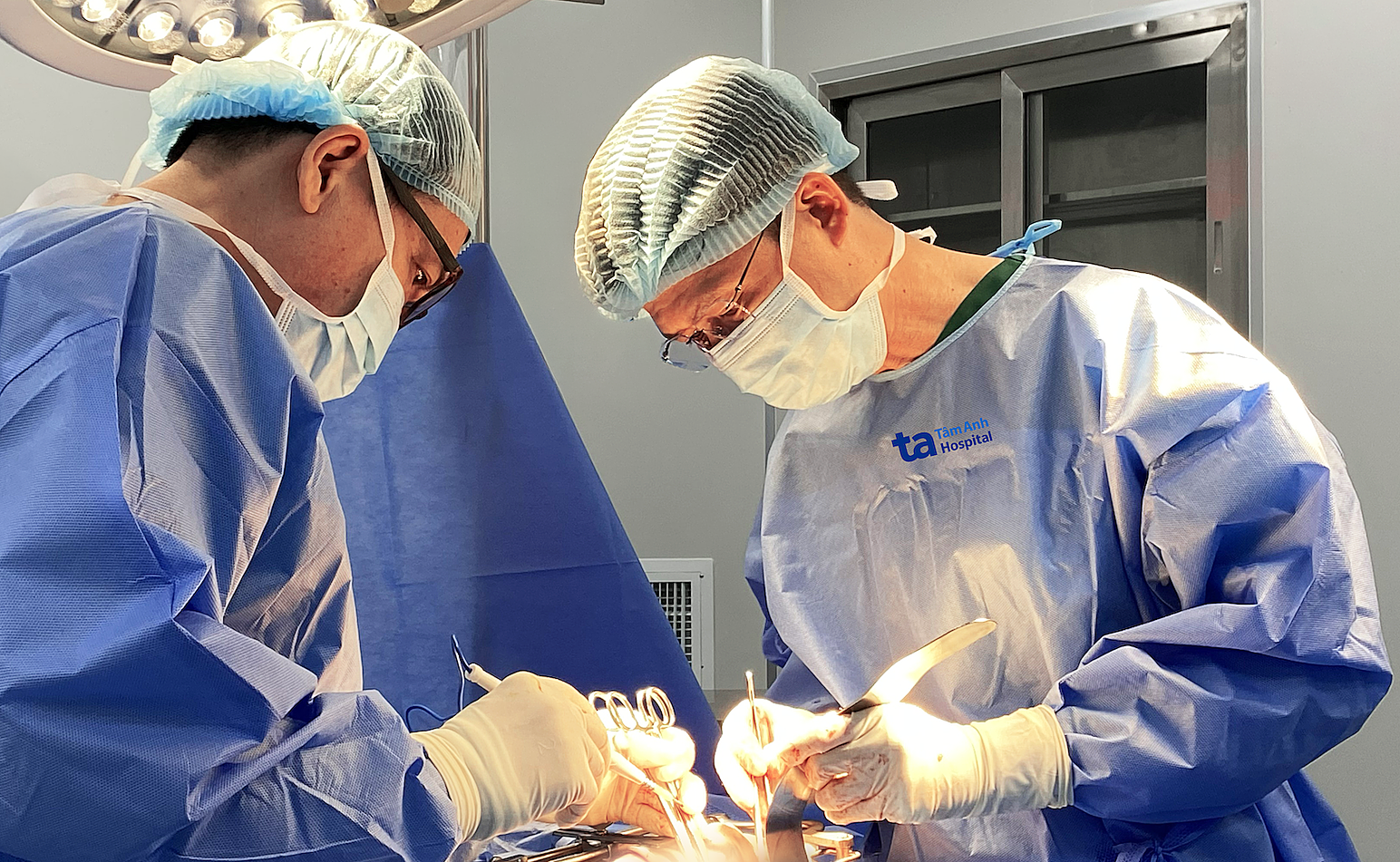 |
Dr. Tan and his surgical team operating on Ms. Ngoc. *Photo: Tam Anh General Hospital*
The surgeons successfully removed the entire uterus, surrounding uterine tissue (parametrium), and pelvic lymph nodes. Crucially, the team observed no damage to adjacent pelvic organs such as the bladder, ureters, or rectum during the procedure.
Post-surgery, Ms. Ngoc recovered well, eating, maintaining hygiene, and walking normally, leading to her discharge after three days. Post-operative results indicated the tumor had invaded up to one-half the thickness of the cervix but had not metastasized to the pelvic lymph nodes. She received adjuvant radiotherapy to minimize the risk of recurrence.
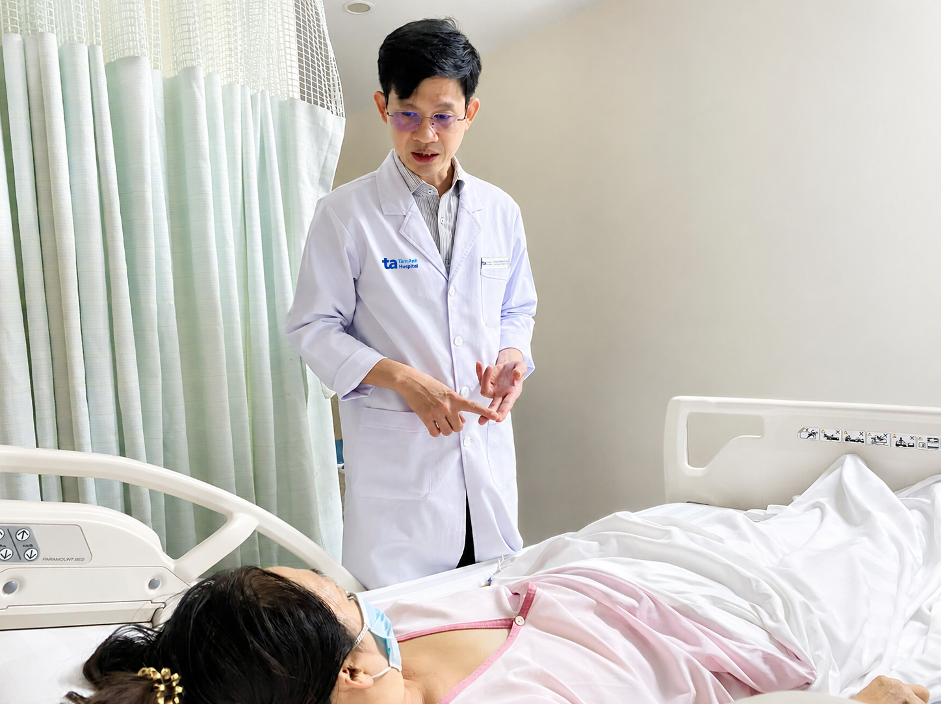 |
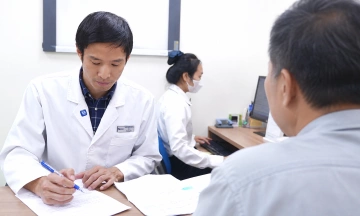
Dr. Tan instructing Ms. Ngoc on post-surgical care. *Photo: Tam Anh General Hospital*
According to Dr. Tan, many people diagnosed with a second cancer while on hormone therapy often believe it's a side effect of the medication. However, he clarified that cervical cancer is unrelated to the endocrine system or hormone therapy for breast cancer. He emphasized that approximately 90% of cervical cancers are caused by persistent human papillomavirus (HPV) infection.
Dr. Tan suggested that the seeds of cervical cancer might have been present for a long time but had not developed earlier. He advised patients who have undergone cancer treatment to diligently follow their doctor's guidelines for follow-up appointments and to undergo regular gynecological examinations. This proactive approach allows for early detection of any health issues and prompt treatment.
Khai Minh
*Patient's name has been changed*
| Readers can submit questions about cancer here for doctors to answer. |