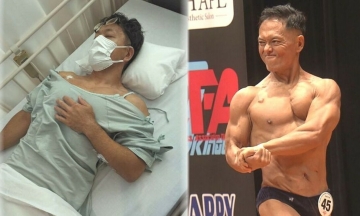
A computed tomography (CT) scan at Tam Anh General Hospital, TP HCM, revealed a 45x35x50 mm tumor at the cervicothoracic junction in patient Viet. Dr. Phan Vu Hong Hai, from the Thoracic and Vascular Surgery Center, identified it as a mediastinal tumor, likely benign and not invading nearby organs.
The mediastinum, located in the center of the chest between the sternum and spine, houses vital organs such as the heart, esophagus, and trachea. Most mediastinal tumors often grow silently for years. Symptoms like difficulty swallowing, chest pain, shortness of breath, or hoarseness typically emerge only when the tumor becomes large enough to compress the trachea, esophagus, or blood vessels. Some patients also present with myasthenia gravis.
Dr. Nguyen Anh Dung, Head of the Department of Thoracic and Vascular Surgery at Tam Anh General Hospital, TP HCM, explained that the tumor's size and its deep location in the chest typically necessitated a sternotomy for removal. However, this approach leads to greater pain, extended recovery, and increased complication risks for patients. Consequently, the surgical team opted to approach the tumor from the neck, similar to thyroid surgeries, while preparing for a sternotomy as a backup if the neck approach proved insufficient.
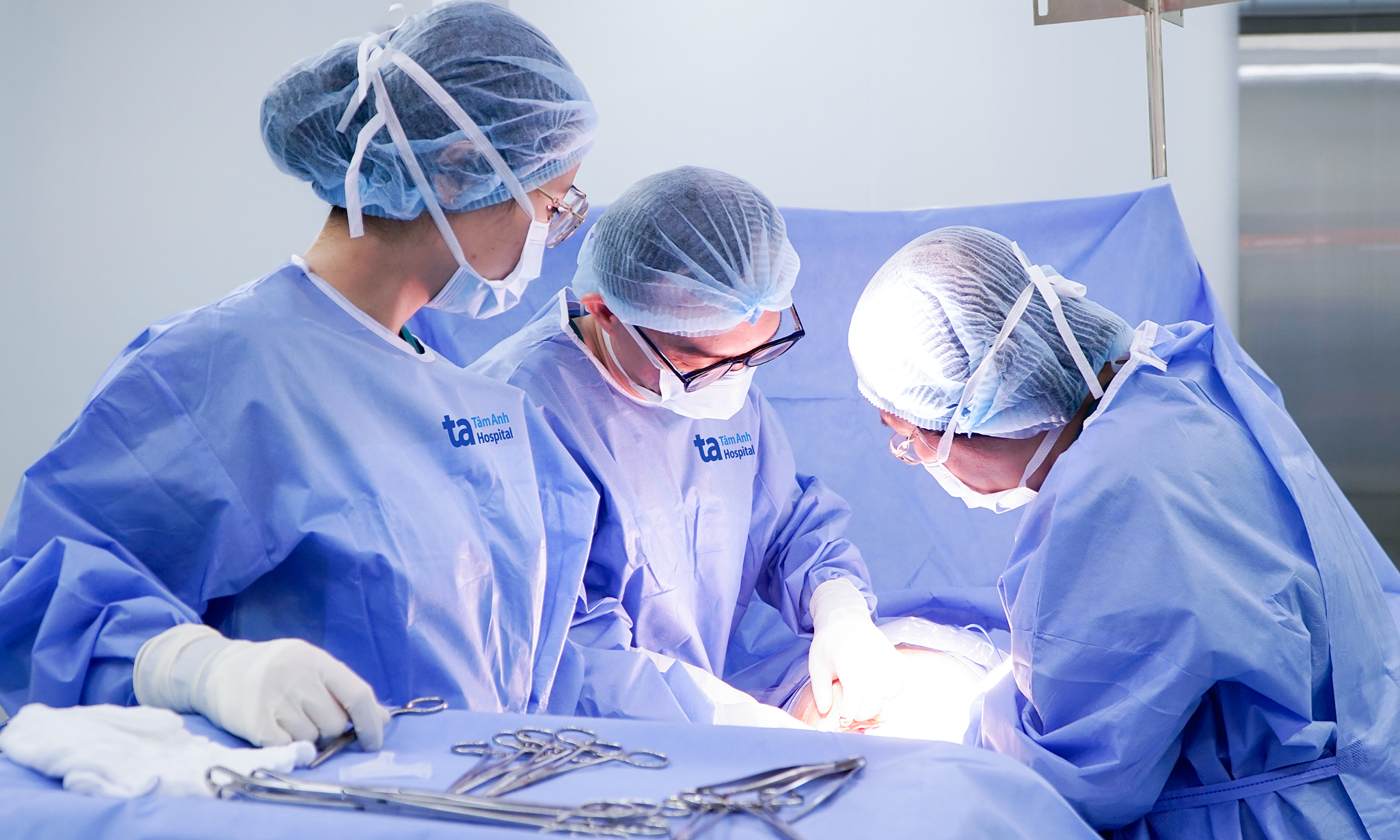
Following a 6 cm incision in the neck, surgeons carefully separated the tumor from the trachea, esophagus, and major blood vessels. Within two hours, the entire mass was successfully removed without requiring a chest incision. Post-operative pathology confirmed the diagnosis as a type AB thymoma, stage one.
 |
Surgeons remove a thymoma from the patient. *Photo: Tam Anh General Hospital*
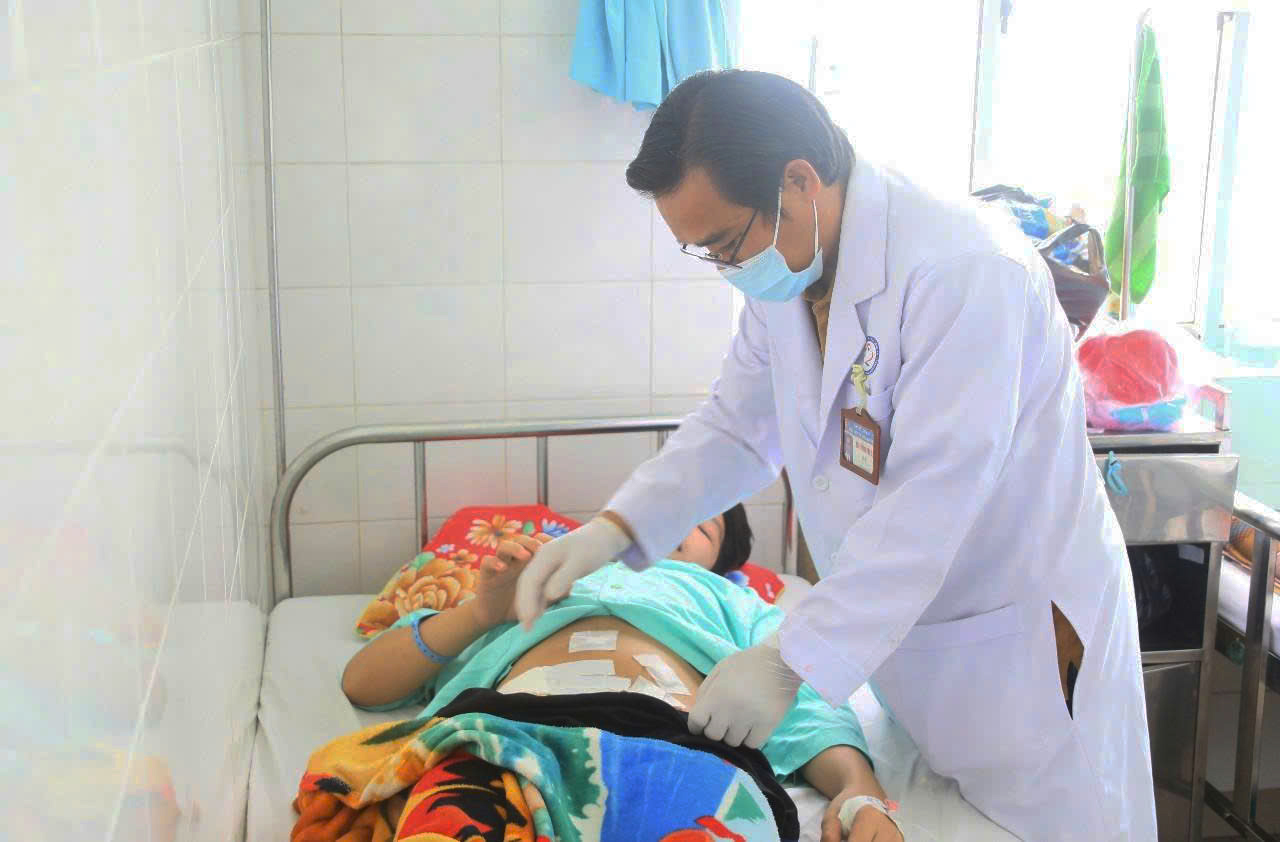
Following the surgery, Viet was conscious and experienced no hoarseness. He received rehabilitation guidance and was discharged after three days.
Thymomas typically affect adults between the ages of 40 and 75. Currently, no complete prevention method exists for the condition as their exact cause remains unclear. However, certain measures can help reduce the risk, such as: regular exercise, incorporating vegetables, fruits, and antioxidant-rich foods into the daily diet; and avoiding exposure to tobacco smoke, toxic chemicals, and known carcinogens.
Patients experiencing symptoms such as difficulty swallowing, shortness of breath, chest pain, unexplained weight loss, muscle weakness, or myasthenia gravis should seek early medical attention.
By Thu Ha
*Patient's name has been changed
| Readers can submit questions about cancer here for doctors to answer. |