Sunflower seeds are packed with unsaturated fats, plant protein, vitamin E, magnesium, selenium, and zinc. However, the way you consume them significantly influences their nutritional benefits.
Many packaged sunflower seeds are roasted with high amounts of salt or coated with butter, sugar, and various spices to enhance flavor. Frequent consumption of these can increase sodium intake, which is detrimental for individuals with high blood pressure or those monitoring their cardiovascular health. It is advisable to prioritize dry-roasted, unsalted, unseasoned sunflower seeds, thereby limiting unnecessary additives.
According to Very Well Health, integrating sunflower seeds into breakfast or snacks can enrich your body with numerous nutrients. Sprinkling these seeds onto plain yogurt or oatmeal helps boost protein, healthy fats, and fiber content. This combination promotes a prolonged feeling of fullness, aids in stabilizing blood sugar levels, and provides sustained energy for several hours.
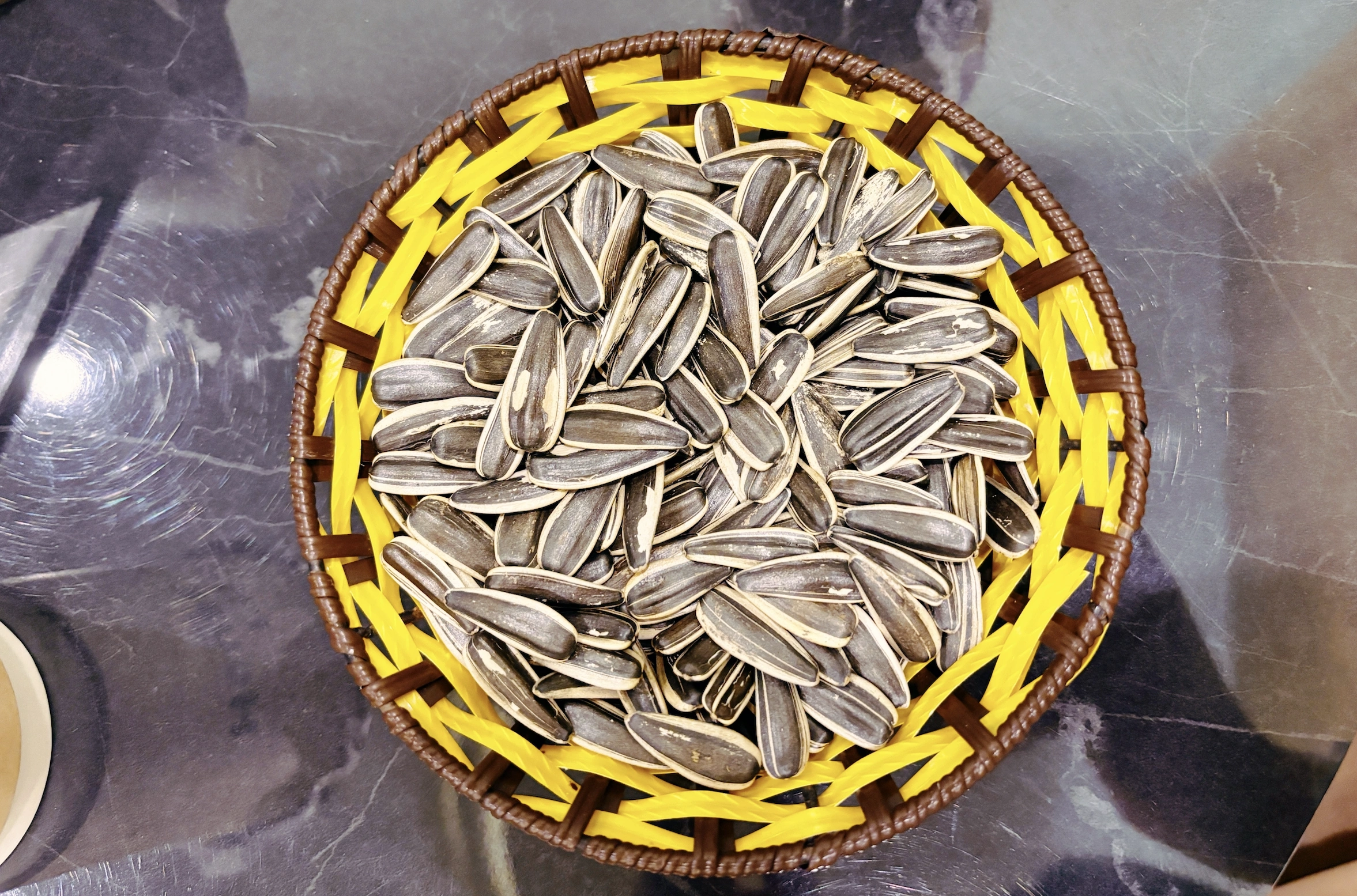 |
Unseasoned sunflower seeds are beneficial for health. Photo: Bao Bao
Adding sunflower seeds to salads is another excellent way to enhance flavor without relying on heavy, fatty dressings. The seeds provide a satisfying crunch, enrich the taste, and contribute vitamin E, magnesium, and antioxidants. Pairing sunflower seeds with leafy greens, tomatoes, cucumbers, avocado, or various beans further diversifies your meal's nutrients, supporting both cardiovascular and digestive health.
A mixture of sunflower seeds, almonds, walnuts, pumpkin seeds, raisins, or dried cranberries makes for a convenient and nutrient-dense snack, rich in fiber and healthy fats. Compared to sweets or potato chips, this type of snack helps maintain satiety for longer. However, it is recommended to choose unsweetened dried fruits and limit your daily nut intake to approximately 28 g, as these foods are energy-dense and excessive consumption can lead to weight gain, as advised by Eating Well.
Blending sunflower seeds into smoothies can naturally increase their protein and healthy fat content. A smoothie made with sunflower seeds, banana, spinach, mango, or plant-based milk creates a naturally thick texture without the need for added cream or condensed milk. This method is particularly suitable for athletes or individuals aiming to increase their plant protein intake. The unsaturated fats present in the seeds also facilitate better absorption of certain fat-soluble vitamins found in fruits and vegetables.
Le Nguyen (Compiled)
| Readers can submit nutrition questions here for a doctor's response |