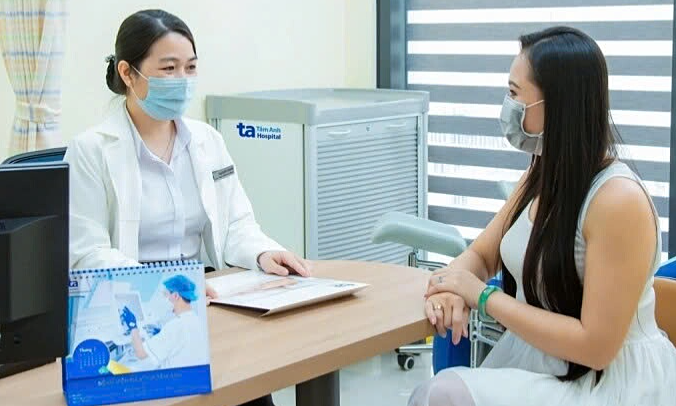
During the winter-spring transition in northern Vietnam, high humidity often causes glasses to fog up when moving between outdoors and air-conditioned rooms, or when wearing a mask. Differences in temperature and humidity lead to water vapor condensation on lens surfaces, obstructing vision and causing daily inconvenience.
When vision through glasses becomes unclear, eyes must work harder to compensate. According to doctor Bui Viet Hung, Head of the Vitreoretinal Department at the High-Tech Eye Center, Tam Anh General Hospital Hanoi, this prolonged strain can lead to eye fatigue, headaches, dryness, and reduced concentration. Individuals working long hours at computers are particularly susceptible during humid periods.
Beyond temporary blurry vision, improper cleaning methods also pose risks to eyesight. Using a shirt hem, tissue, or wet wipe for a quick clean can cause fine dust and coarse fibers to scratch lens surfaces. Scratched lenses scatter more light, leading to glare, reduced visual quality, and forcing eyes to strain further for clear sight.
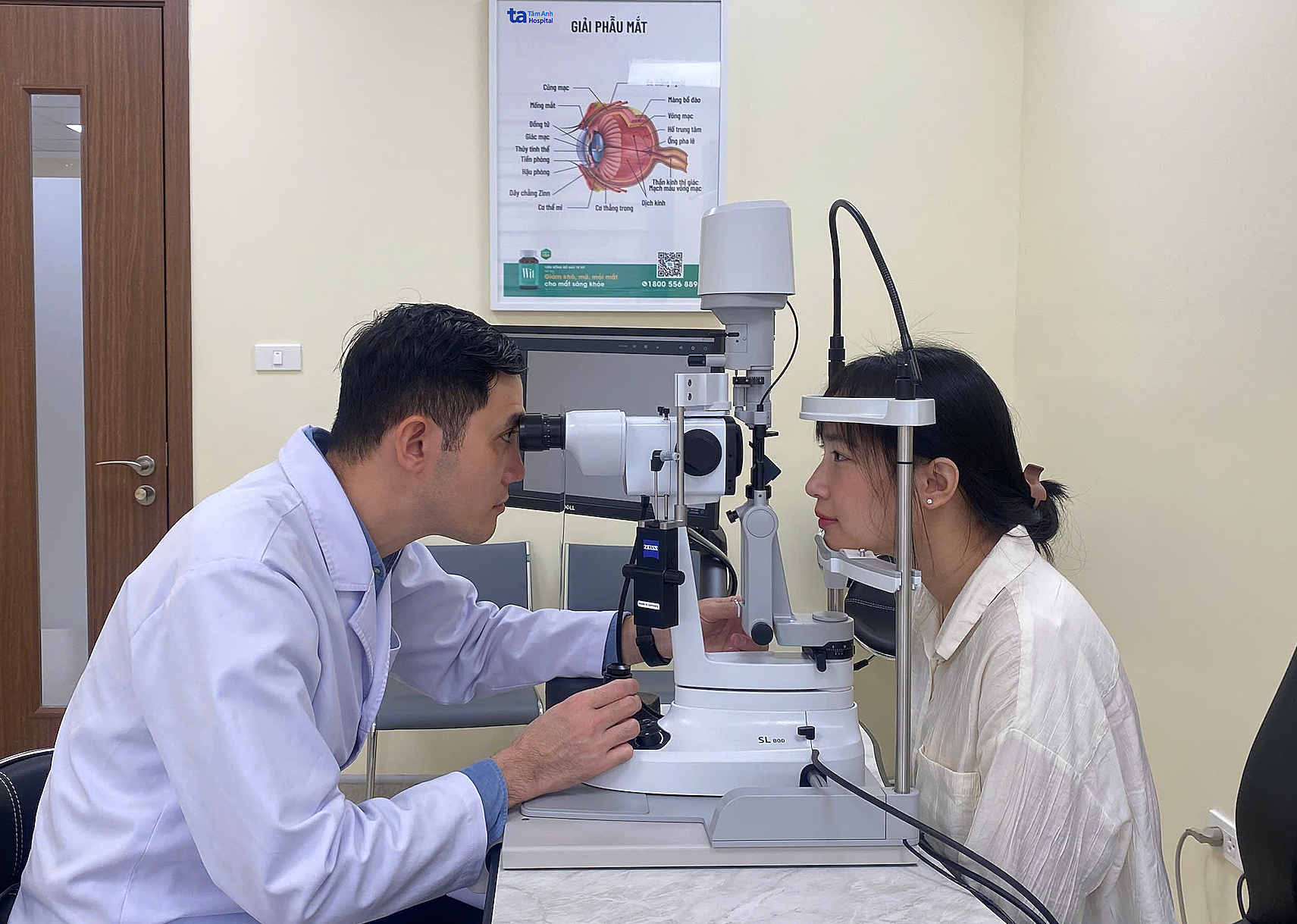 |
Doctor Hung examines a woman's eyes. Illustration: Tam Anh General Hospital |
Persistent humid conditions also allow dirt, bacteria, and mold to accumulate on frames and lenses if not cleaned regularly. Frames directly contact the skin around the eyes and bridge of the nose, where sebaceous glands are highly active. When microorganisms build up, the risk of irritation, blepharitis, or conjunctivitis can increase, especially for those with allergies or dry eyes.
In daily life, foggy glasses while driving or using stairs can briefly impair vision, posing safety risks. Due to this inconvenience, some individuals temporarily remove their glasses when moving, even though their vision is not safe without corrective lenses.
To mitigate effects during the humid season, glasses wearers should clean their glasses daily with a specialized solution, wipe them with a clean, soft microfiber cloth, and store them in a closed case when not in use. Masks should fit snugly over the bridge of the nose to reduce breath airflow onto the lenses. Avoid leaving glasses in damp places or sharing cleaning cloths.
Doctor Hung advises that, beyond temporary solutions, individuals highly dependent on glasses should undergo a specialized eye examination to assess their corneal condition and receive appropriate vision improvement solutions. If symptoms like persistent blurry vision, pain, red eyes, or double vision appear, patients should seek early medical attention.
Thu Giang
| Readers can submit questions about ophthalmological conditions here for a doctor's response. |