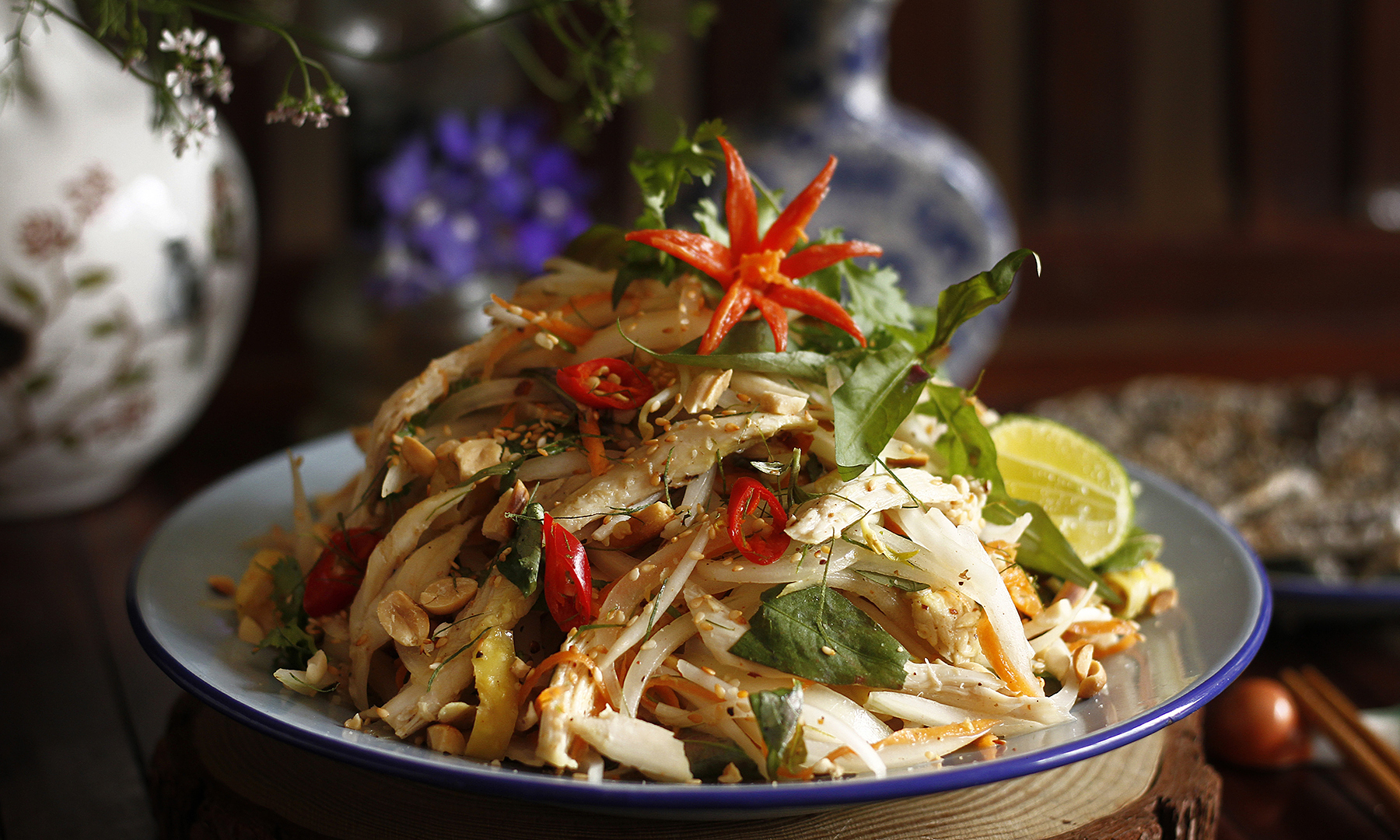
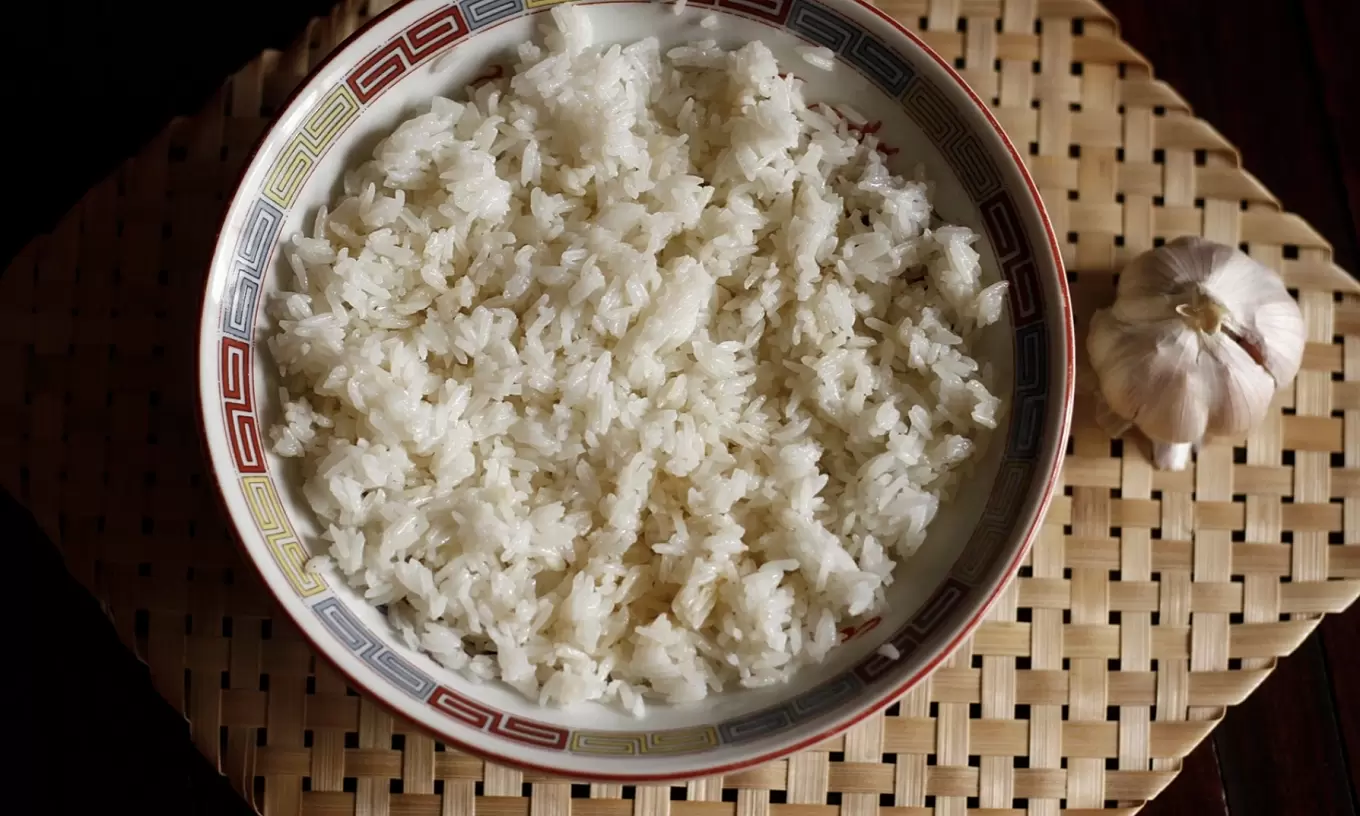
Nutrition specialist Bui Thi Phuong Linh, from the Department of Endocrinology and Diabetes at Tam Anh General Hospital, Ho Chi Minh City, states that weight loss involves not only reducing excess fat but also maintaining essential muscle mass. To create a diet that reduces fat and preserves muscle, individuals should prioritize the following foods.
Seafood
Fish provides abundant omega-3 fatty acids, which can reduce inflammation and visceral fat. These fatty acids enhance cardiovascular health and support the body's fat reduction process. Seafood like shrimp, squid, oysters, clams, and snails are high in protein and low in saturated fat, increasing satiety, reducing cravings, and helping maintain stable muscle mass.
Eggs
Egg whites contain high protein but few calories, promoting satiety, curbing cravings, and reducing calorie intake in subsequent meals. Eggs also contain choline, which promotes fat metabolism in the liver and helps control visceral fat.
Green vegetables, watery fruits
Fruits and green vegetables are rich in fiber, vitamins, and minerals; some fruits also have high water content. Increasing dietary fiber helps fill the stomach and promote long-lasting fullness while nourishing a healthy gut microbiome, reducing fat absorption in the intestines, and preventing digestive disorders.
Nuts
Almonds, walnuts, and chia seeds are rich in protein, fiber, and healthy fats like omega-3, as well as antioxidants. Snacking on nuts when hungry during weight loss helps reduce cravings, supports muscle gain, and improves fat burning.
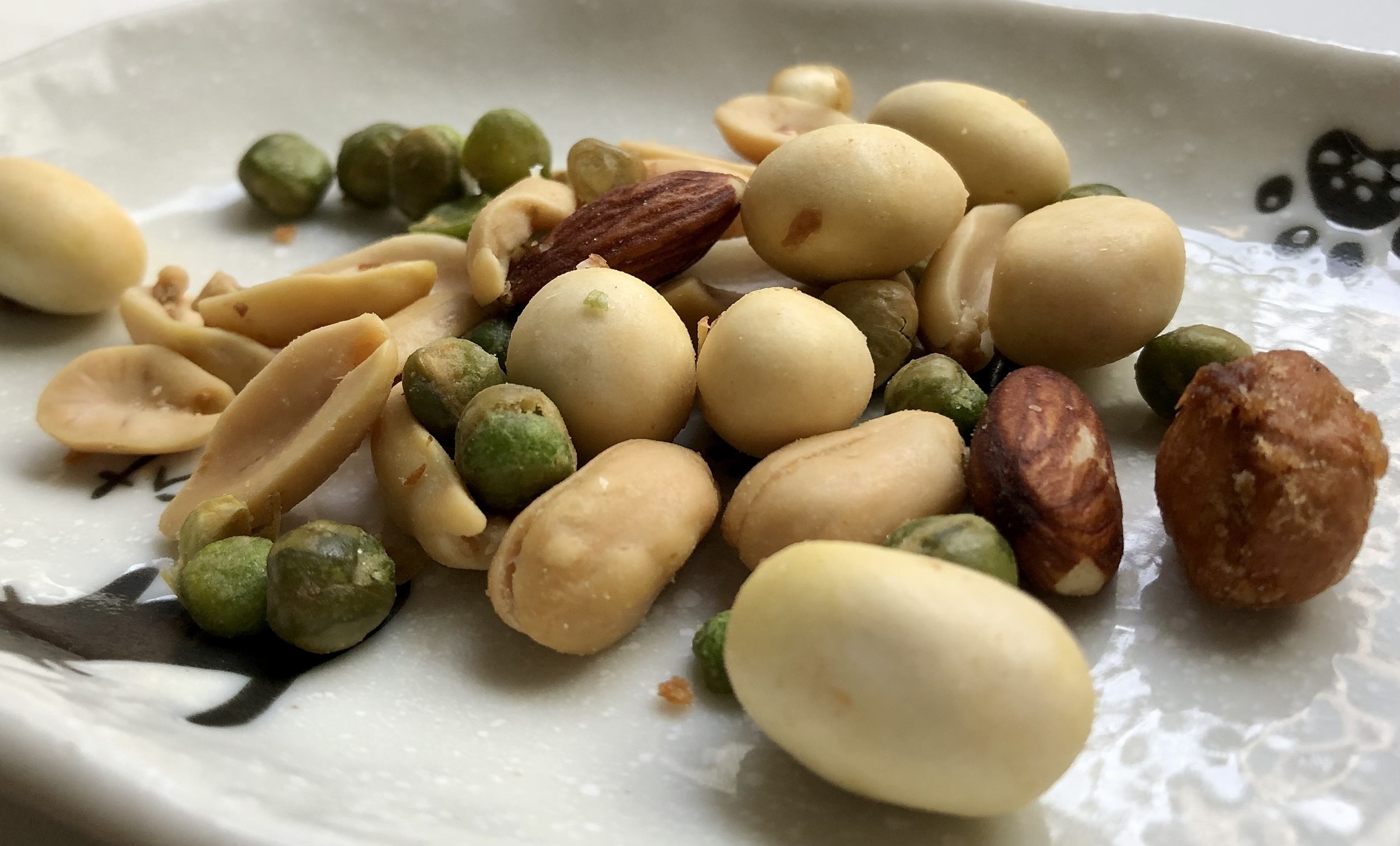 |
Nuts promote satiety and provide antioxidants. *Photo: Duc Hanh*
Whole-grain oats
Oats contain many nutrients, especially carbohydrates, which provide abundant energy and reduce cravings. This food is rich in beta-glucan – a type of soluble fiber linked to effective belly fat reduction and overall weight loss.
Nutrition specialist Phuong Linh notes that reducing visceral fat does not require cutting any nutrients, including fats. The primary principle of fat loss and weight loss is to ensure a calorie deficit. This means daily calorie intake must be lower than calorie expenditure. You can create a calorie deficit in various ways: reducing portion sizes, choosing nutrient-dense but low-calorie foods, increasing physical activity to burn excess calories, and minimizing alcohol and stimulants.
Duc Hanh
| Readers can submit questions about endocrine diseases here for doctors to answer. |