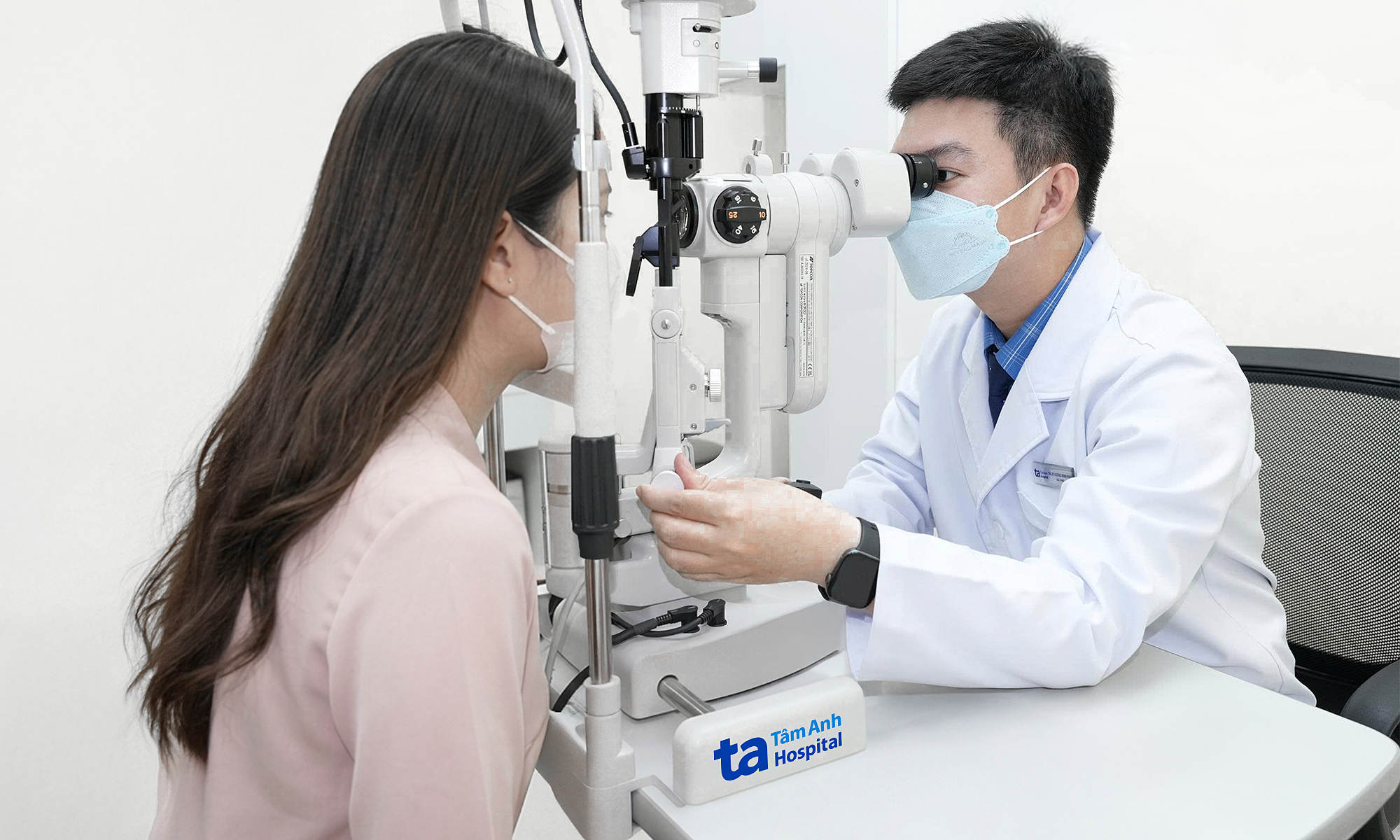
As age advances, eyes and vision undergo several natural changes, including difficulty with near vision, requiring more light, and slower adaptation when transitioning from bright to dark environments.
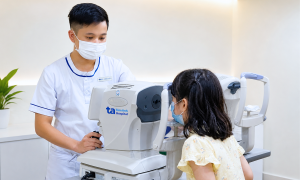
Parents should encourage children to engage in outdoor activities, maintain proper reading distance, take breaks from near-vision tasks, and schedule regular eye exams to protect their eyesight.
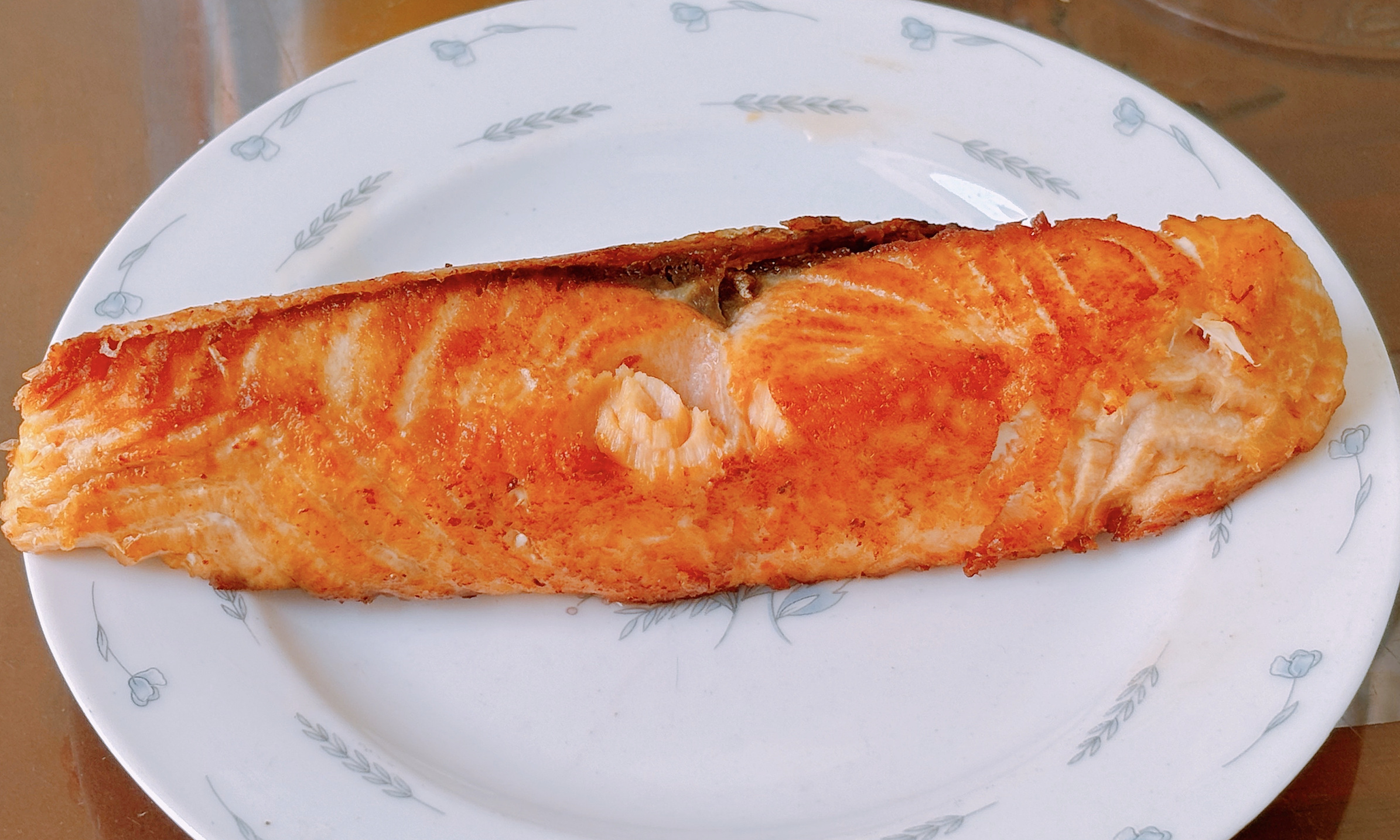
Incorporating omega-3-rich fatty fish, especially those high in DHA and EPA, can help reduce inflammation, support retinal function, and alleviate dry eye symptoms.
Wearing appropriate glasses, resting your eyes, using artificial tears, and specialized nutrient care contribute to protecting your eyes during extended trips.
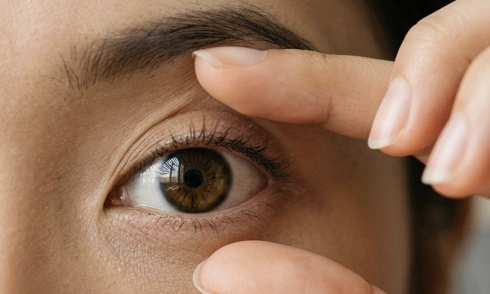
Dry, irritated, and gritty eyes at night can be linked to your sleeping environment, prolonged screen time on phones or computers, wearing contact lenses, or certain medical conditions.
Viewing a solar eclipse directly for extended periods without eye protection can cause retinal damage, leading to blurred vision, impaired color discrimination, and reduced eyesight.
Lupus can cause dry eyes, inflammation of the cornea, retina, sclera, or optic nerve, with some complications progressing rapidly if not detected promptly.
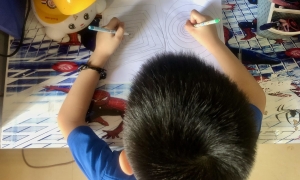
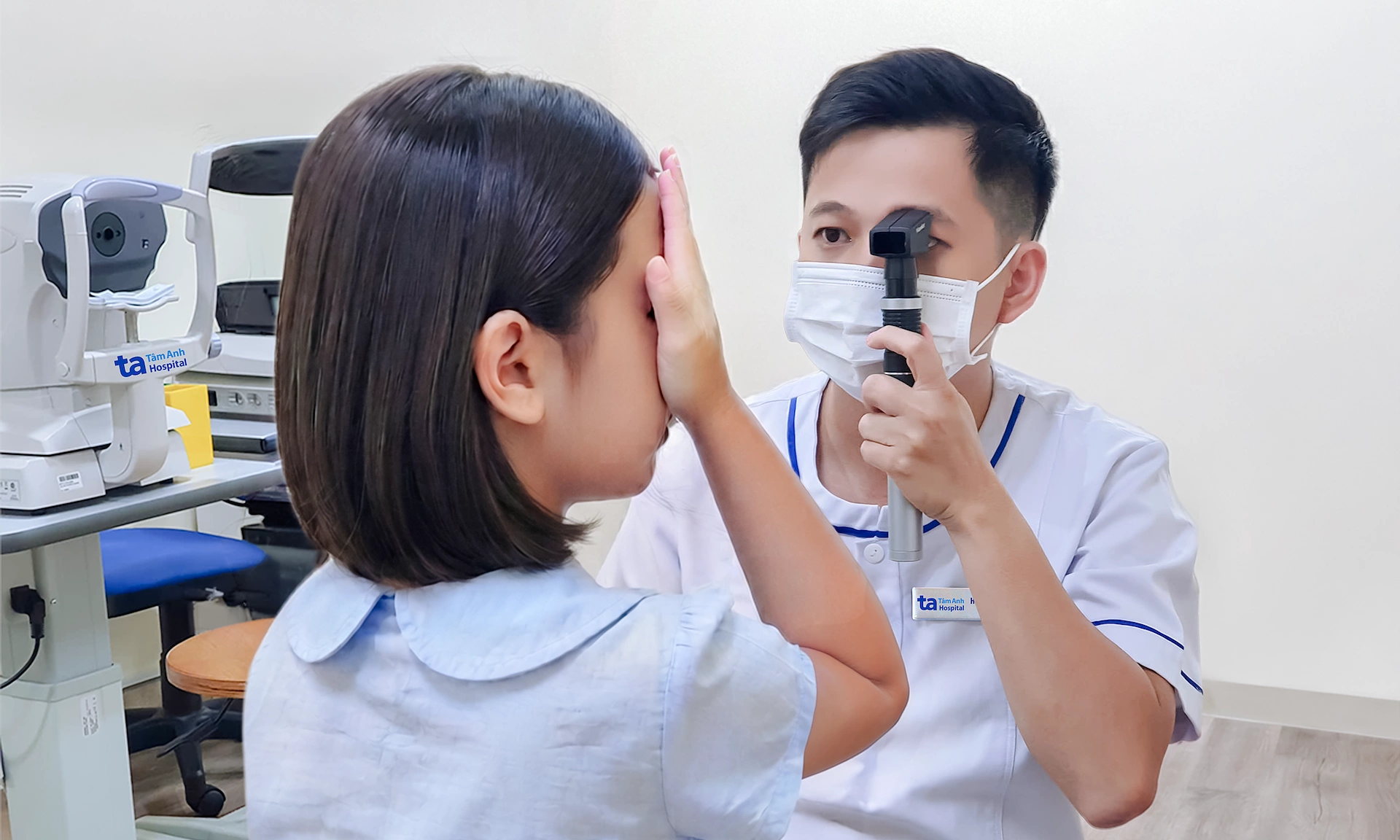
After the summer break, 9-year-old Phuong experienced blurry vision, eye strain, and watery eyes, leading doctors to diagnose a myopia increase of approximately mot diopter.
Adenovirus is a leading cause of conjunctivitis; if not treated properly and promptly, it can lead to inflammation, corneal scarring, and reduced vision.
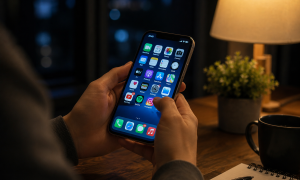
Scrolling on your phone in the dark, staring at the screen for too long, or forgetting to blink are common habits that can lead to dry, tired eyes and temporary blurry vision.
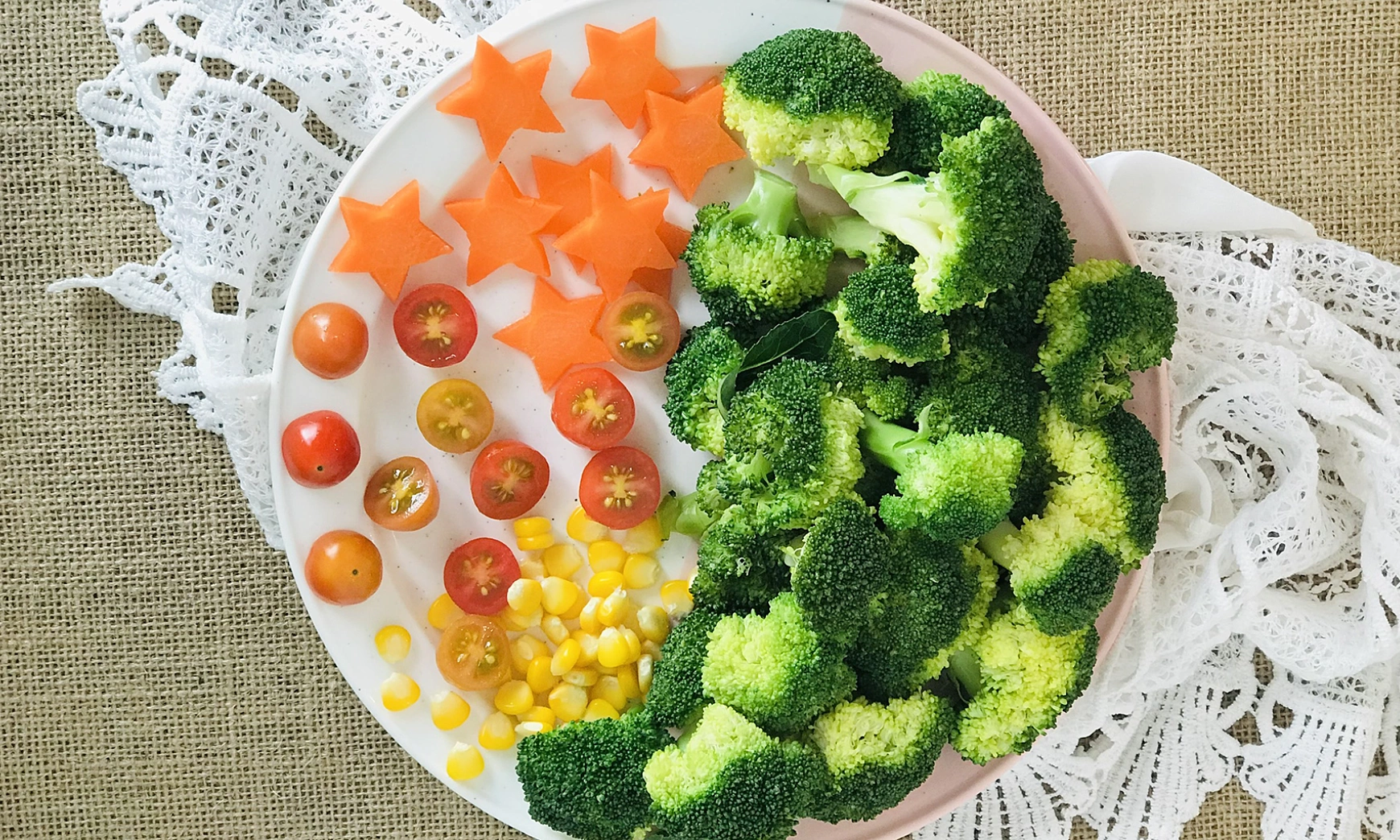
Both carrots and carrot juice contain beta-carotene, which benefits eyes, but whole carrots offer an advantage due to their fiber content and balanced nutritional value.