Toan, 70, noticed a cracked callus on his left big toe that discharged fluid. After self-treating with saline solution and antibiotics, the wound worsened, becoming swollen and painful. Upon admission to Tam Anh General Hospital Ho Chi Minh City, doctors found the wound on his left foot had deeply necrotized down to the bone.
According to doctor of first-degree specialization Pham Thi Thu Ha, from the Endocrinology - Diabetes Department, Toan has a history of diabetes for nearly 20 years. His blood sugar was difficult to control due to non-adherence to treatment. He also suffers from high blood pressure, stage 3B kidney failure, and damage to his nerves and blood vessels.
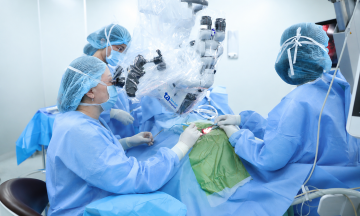
To prevent sepsis and the infection from spreading to other toes, doctors amputated the big toe and debrided all necrotic tissue. Negative pressure wound therapy (VAC) was used to drain fluid and promote cell regeneration.
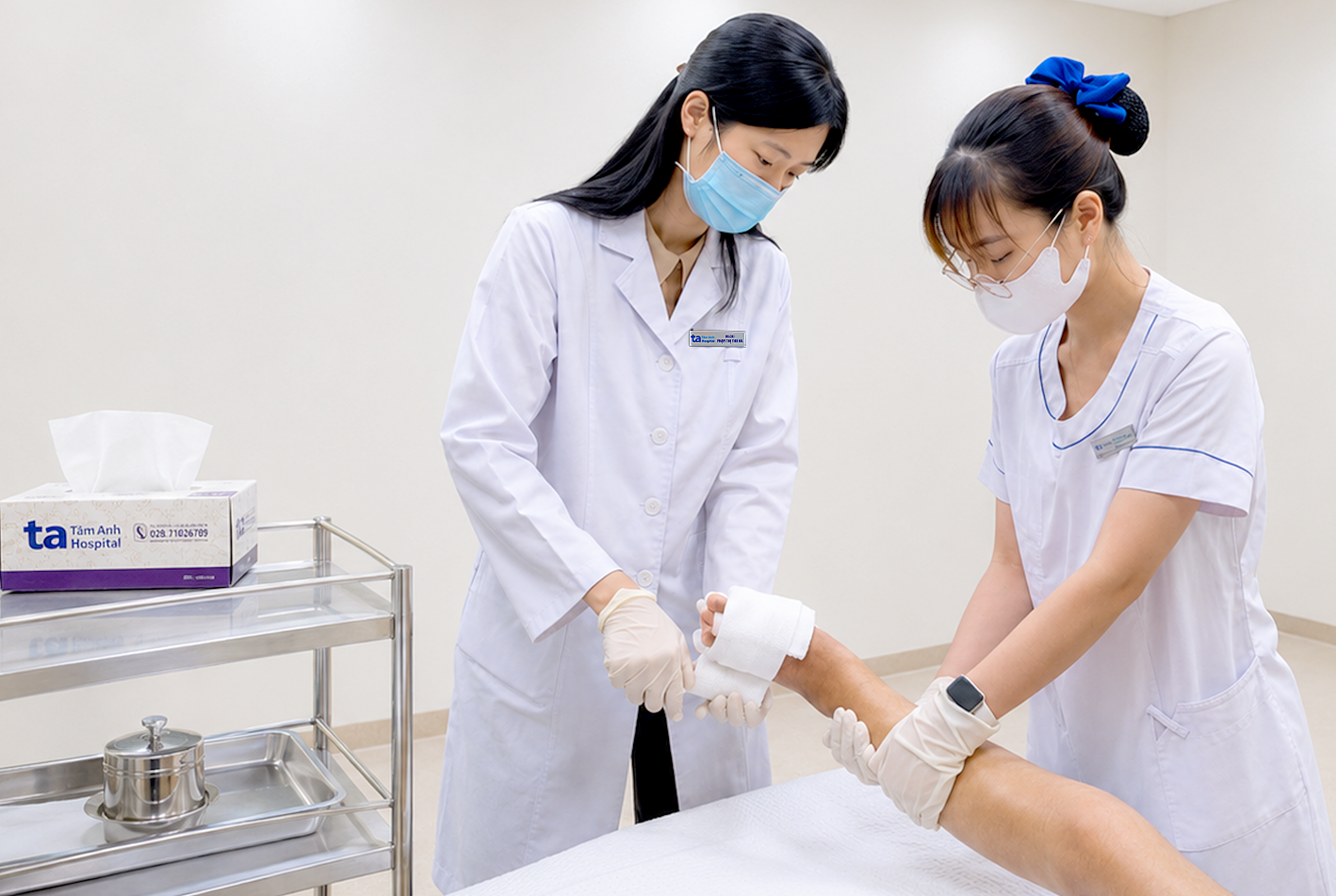 |
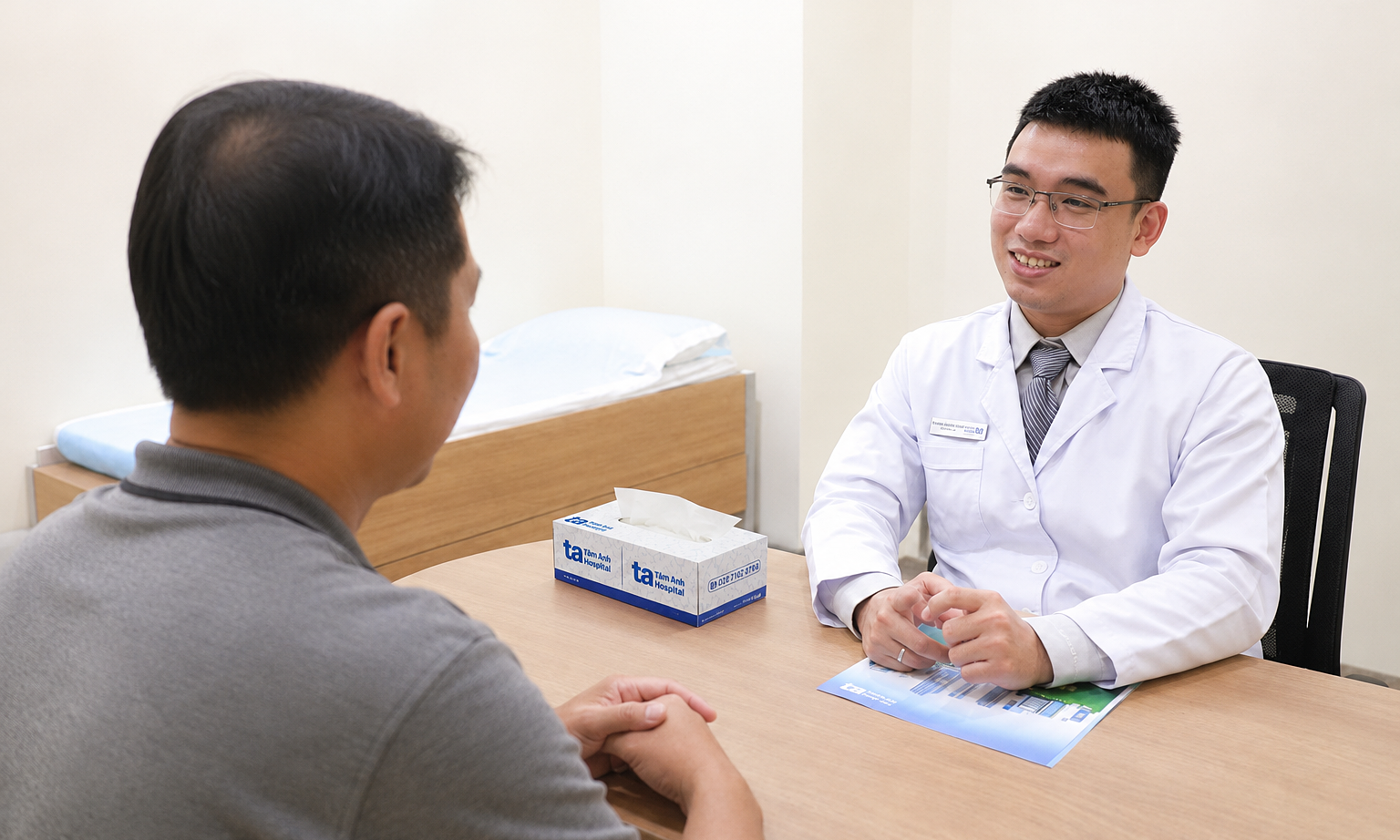
Doctor Ha (left) checks Toan's wound after the toe amputation. Photo: Tam Anh General Hospital
Doctor Ha explained that unstable blood sugar levels cause damage to blood vessels and nerves, which reduces blood circulation. This can lead to patients losing pain sensation in their feet, developing dry, cracked skin, muscle atrophy, hair loss, or unexplained calluses and blisters.
Toan's stage 3B kidney failure, another complication of diabetes, further exacerbated the issue. Kidney failure promotes nerve damage, vascular occlusion, and immune suppression, preventing ulcers from healing.
Toan received multidisciplinary care from endocrinology and nephrology specialists to monitor his blood sugar, control the infection, and manage his kidney failure. Doctors adjusted his insulin dosage to prevent excessive hypoglycemia, which can occur due to poor kidney excretion. His blood pressure was also controlled, and nephrotoxic medications were avoided.
A specialized diet was formulated by a nutritionist to balance his intake of protein, salt, potassium, and phosphorus.
After 10 days of treatment, Toan's foot infection resolved, and his tissue recovered well. The wound was closed with sutures, and he was discharged. He received instructions on at-home diabetic foot care and was advised to adhere to his oral and injectable medications, as well as attend regular follow-up appointments to monitor both his blood sugar and the progression of his chronic kidney disease.
Bach Duong
*Patient's name has been changed