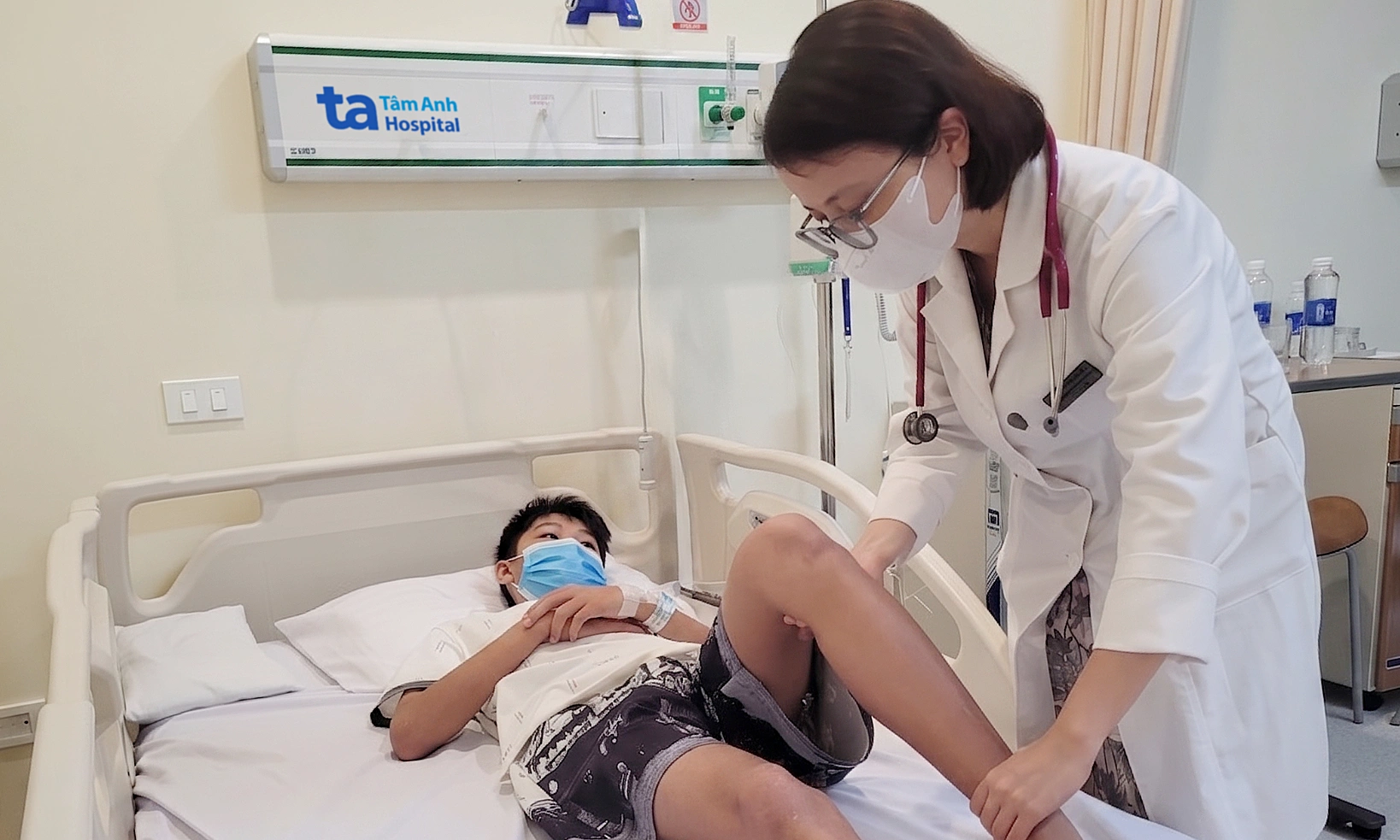
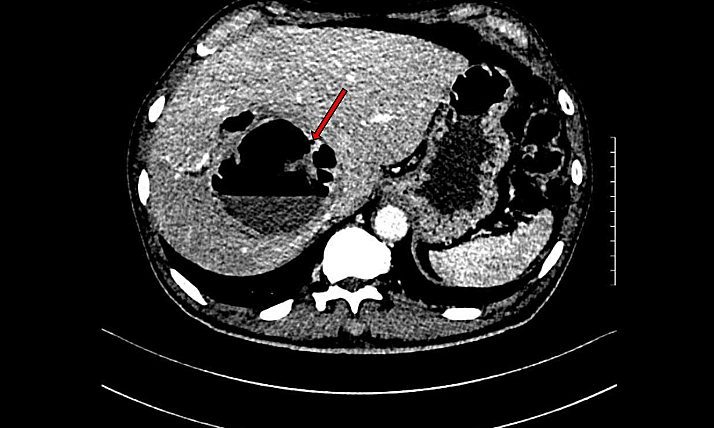
Dr. Duong Pham Van Thanh of the Emergency Department reported that the patient received first aid at a lower-level hospital before being transferred to Tam Anh General Hospital, Ho Chi Minh City. Doctors conducted a multidisciplinary consultation to comprehensively assess his injuries. Computed tomography (CT) scans of his brain, chest, and abdomen, along with X-rays of his knee joints and skeletal system, revealed a ruptured urethra, pelvic trauma, injury to the left abdominal wall, a sacral fracture, a spinal fracture, and pubic dislocation.
A surgical team from multiple specialties collaborated to monitor and control the injuries, addressing dangerous complications. Dr. Phan Duc Huu, from the Department of Urology, Center for Urology - Nephrology - Andrology, explained that the patient's pelvis and sacrum were fractured due to a significant impact force. This resulted in a complete posterior urethral rupture, a contused and ruptured bladder, and a large hematoma that deformed the entire pelvic structure. Treatment objectives focused on injury control, life preservation, urine drainage, and infection prevention.
Dr. Huu performed a suprapubic cystostomy, creating an opening in the bladder to the skin above the pubic bone. This procedure allowed urine to drain directly, reducing pressure on the bladder and limiting urine leakage into the damaged pelvic area, thereby reducing infection risk. After the surgery, the patient underwent a second operation three days later, performed by doctors from the Orthopedic Trauma Center.
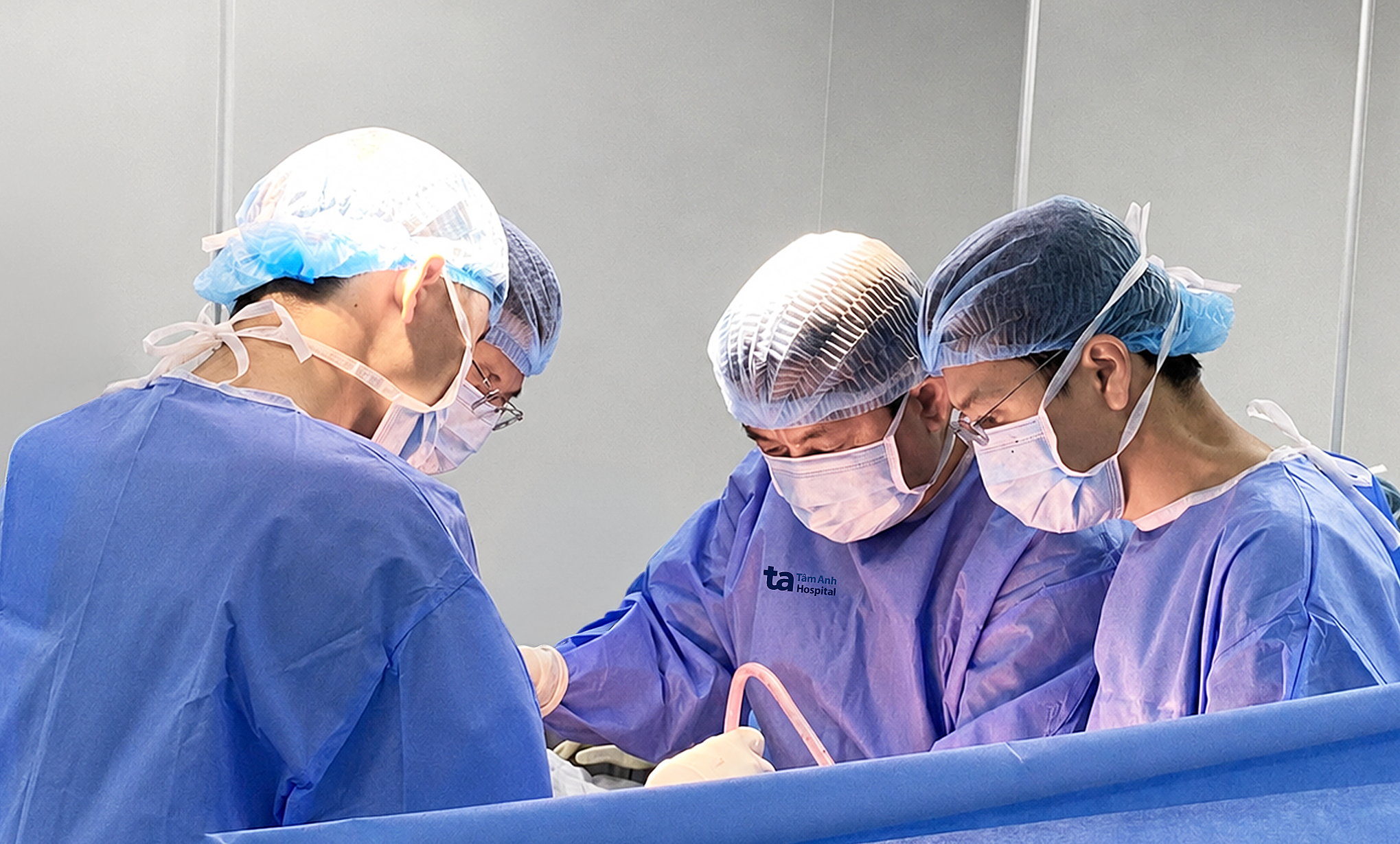 |
Dr. Tuan (second from right) performs fracture reduction for the patient. Photo: Tam Anh General Hospital |
Dr. Tuan (second from right) performs fracture reduction for the patient. Photo: Tam Anh General Hospital
According to Dr. Le Van Tuan, Director of the Center, internal fixation surgery is typically used for bone fractures. However, this case presented a very high infection risk due to multiple organ injuries, which could necessitate the later removal of all internal fixation materials.
Doctors decided to reduce the fractures using external pelvic fixation. This method involves inserting long pins through the skin, deeply embedding them, and securing them into the bone. The external portions of these pins are then connected to a support frame. This technique provides stable fracture fixation without direct intervention at the fracture site, avoiding infectious complications, minimizing damage to healthy tissue, and resulting in less pain and blood loss for the patient.
The surgery was successful; all fracture displacements were realigned correctly, restoring nearly the patient's natural pelvic structure. This approach aims to prevent future limitations in movement and daily activities.
Tao began sitting, performing daily activities, and walking while his pelvis remained immobilized. He was discharged three days after surgery. A third surgery is planned in 10-12 weeks to repair the bladder.
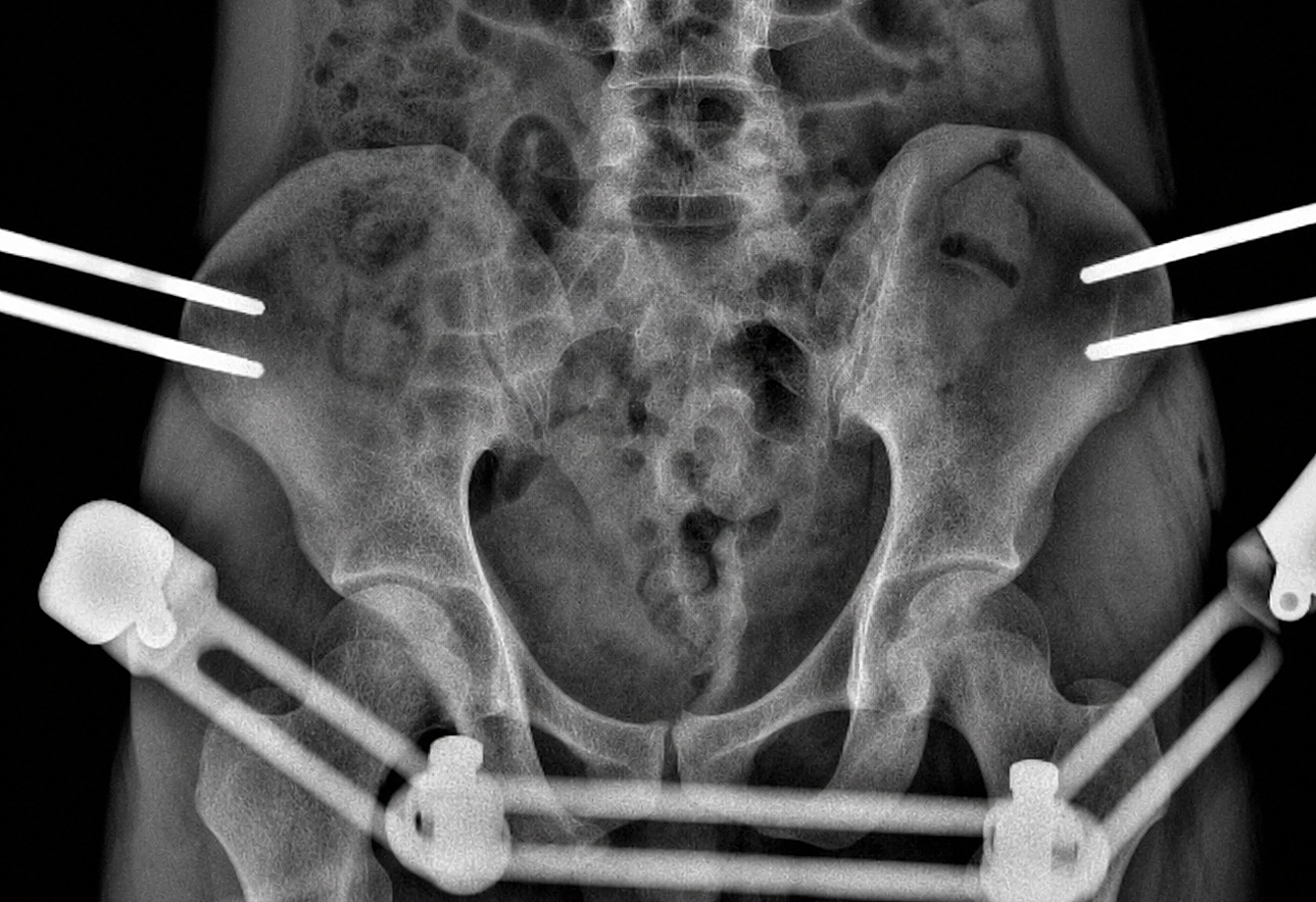 |
The patient's pelvic X-ray results after reduction. Photo: Tam Anh General Hospital |
The patient's pelvic X-ray results after reduction. Photo: Tam Anh General Hospital
Dr. Huu noted that urethral rupture due to pelvic fracture is one of the most severe injuries to the urinary system, often occurring after high-impact accidents. When the pelvis fractures, the sudden deformation of the pelvic structure can cause complete urethral detachment, accompanied by damage to the bladder, blood vessels, or adjacent organs.
In the emergency phase, the top priority is preserving life, controlling associated injuries, and draining urine via suprapubic cystostomy. Urethral reconstruction surgery to restore natural urination is performed only when the systemic condition is stable, the hematoma has resolved, and the damaged tissue has healed.
By Nhu Ngoc, Dinh Lam, Phi Hong
*Patient's name has been changed