In traditional medicine, stroke falls under the "trung phong" category. Patients often experience sequelae such as hemiplegia, speech disorders, dysphagia, cognitive decline, or urinary dysfunction, significantly impacting their quality of life and daily activities.
Doctor Nguyen Minh Trang, Second Degree Specialist and Deputy Head of the Department of Traditional Medicine at Bach Mai Hospital, stated that the golden window for rehabilitation treatment is within the first 6 months after a stroke. Patients who receive early intervention combined with traditional medicine have a high potential for recovery while preventing complications such as joint stiffness, pressure ulcers, and pneumonia.
In addition to acupuncture, traditional medicine doctors also employ massage and acupressure, aquapuncture, motor exercises, and guide patients in daily self-practice.
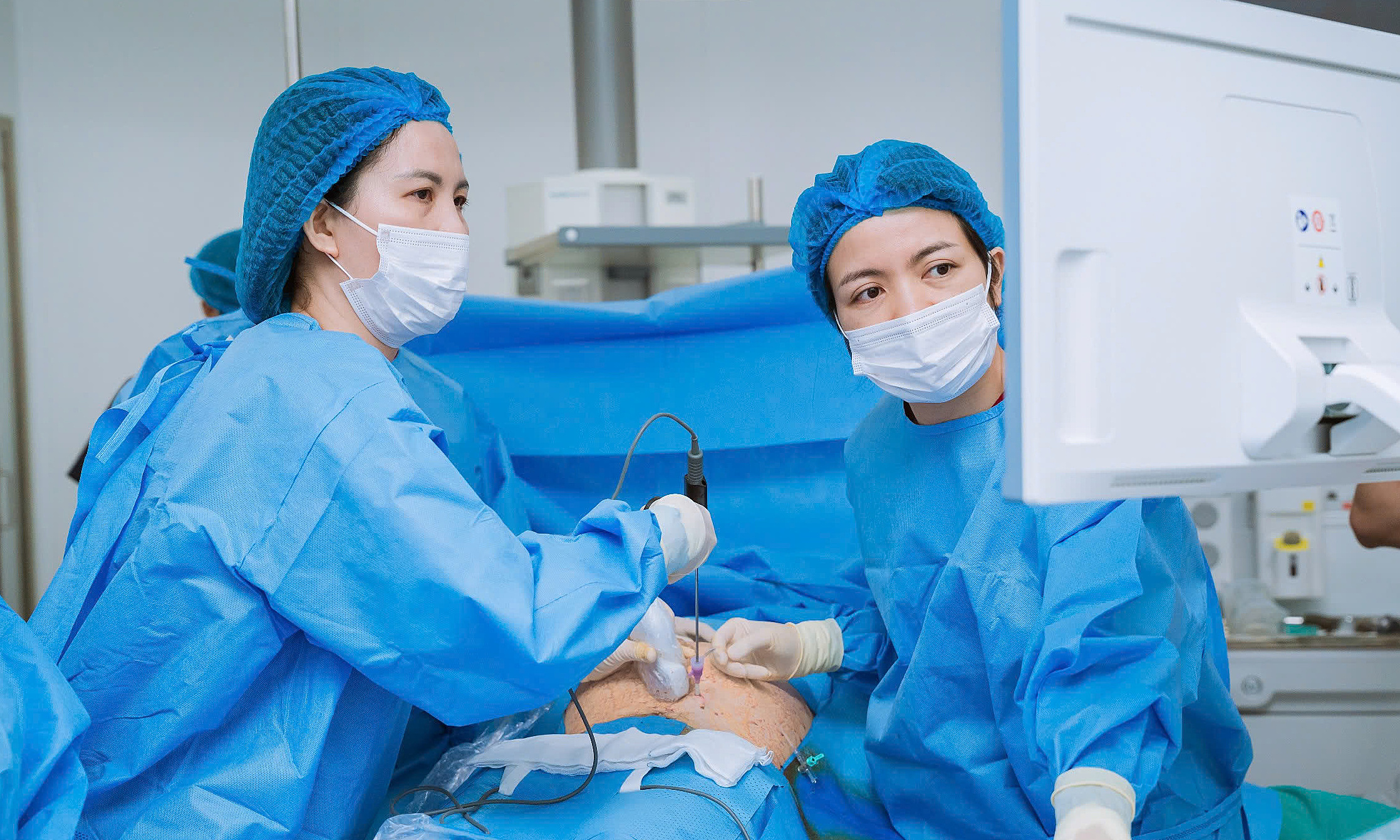
Acupuncture directly affects acupoints, helping to regulate qi and blood, unblock meridians, and activate collaterals, thereby supporting the restoration of motor and speech functions for patients. According to modern medical research, needling acupoints induces a neuro-endocrine reflex, creating stimuli transmitted from the brain to organs, promoting the recovery process of nerves and muscles. When acupuncture is combined with electroacupuncture, a modern form of acupuncture, the nerve stimulation is stronger, and the recovery effects are more pronounced.
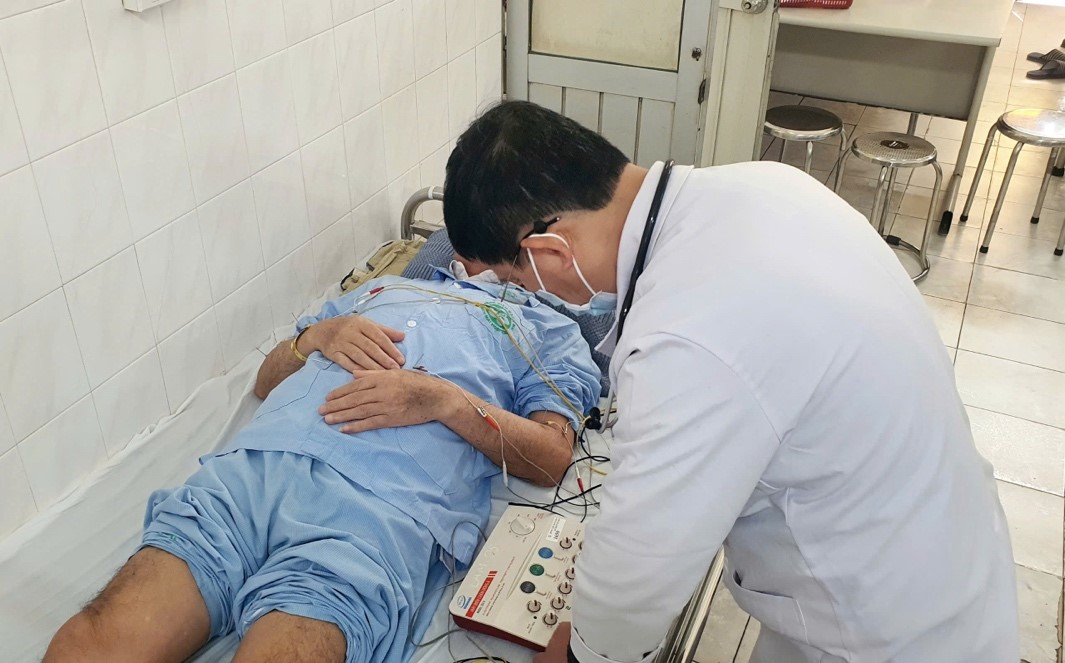 |
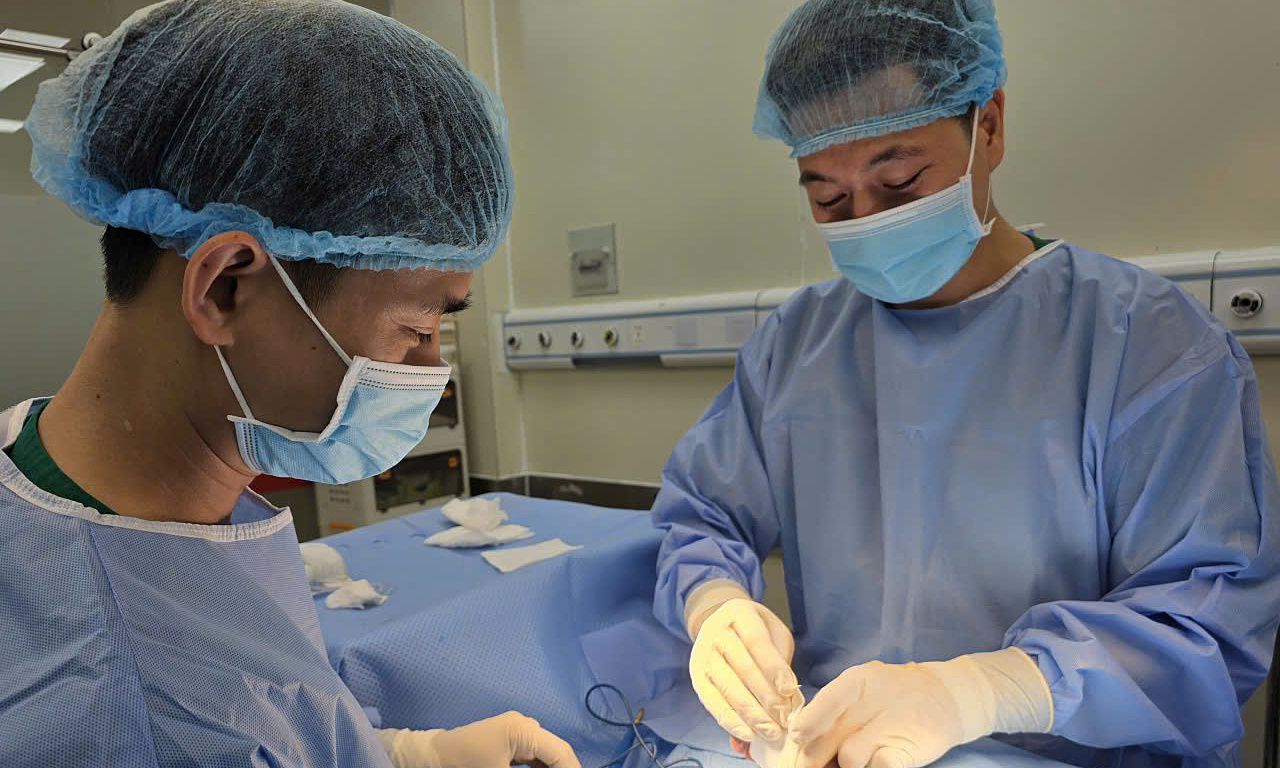
A patient receiving treatment at the Department of Traditional Medicine, Bach Mai Hospital. Photo: Nguyen Ha |
A patient receiving treatment at the Department of Traditional Medicine, Bach Mai Hospital. Photo: Nguyen Ha
At the Department of Traditional Medicine, many stroke patients have shown significant progress with treatment involving medication combined with acupuncture, massage and acupressure, and rehabilitative motor exercises. For instance, a 62-year-old male patient from Nam Dinh, who suffered right-sided hemiplegia, slurred speech, and had great difficulty walking. After 4 weeks of treatment, he could take a few steps independently and speak more clearly.
Beyond supporting functional recovery, traditional medicine also helps stroke patients improve their overall health, enhance cerebral blood circulation, and prevent recurrence. Traditional herbal remedies work to tonify qi and blood, invigorate blood and dispel stasis, calm the spirit, helping patients sleep better, eat better, and maintain mental stability.
Doctors say that rehabilitation after stroke is currently implemented through a combined approach of modern and traditional medicine. This combined treatment helps shorten recovery time, minimize complications, and enhance patients' quality of life.
Le Nga