In a personal post, nutritionist Lin Li-cen stated that for patients with chronic kidney disease, especially those in mid to late stages, controlling potassium metabolism is crucial. As kidney function declines, the body loses its ability to excrete excess potassium, leading to hyperkalemia. Severe cases can cause arrhythmias, muscle weakness, and even death.
However, fruit is a rich source of vitamins and fiber. Overly strict dietary restrictions can lead to nutritional imbalance or constipation. Therefore, the expert recommends that patients adopt a "traffic light" rule (green, yellow, red) to classify and manage fruit consumption based on potassium content per 100 grams of food.
The "green light" group includes fruits with low potassium content, under 150 mg, considered relatively safe for kidney patients. The recommended daily intake is about hai portions, with each portion equivalent to mot hand or mot small bowl filled to about 80%. Pineapple tops this list due to its very low potassium content (only about 40 mg) and its bromelain enzyme, which aids protein digestion. Following pineapple are mangosteen and rose apple, which are ideal for satisfying cravings without putting too much strain on the kidneys, with potassium levels around 70-80 mg.
Additionally, pears and apples are common choices with potassium ranging from 60 to 100 mg. However, patients should peel them before eating, as the peel contains the highest concentration of potassium. Other fruits like grapes (around 120-130 mg) and citrus (around 120-150 mg) also fall into this safe group. Watermelon, while having a potassium content of only 100 mg, is high in water and has a high glycemic index (GI). Therefore, patients with edema or diabetes need to control their portions carefully, avoiding excessive consumption at once.
For the "yellow light" group, with medium potassium content ranging from 150 mg to 250 mg, patients can consume these fruits but must strictly control the dosage. When eating fruits from this group, the serving size should be reduced to one-half (equivalent to half a small bowl) or alternated with low-potassium fruits. For example, guava has superior vitamin C content, but its potassium level is also within 150-180 mg. Therefore, when eating, remove the seeds, as this part contains the most potassium. Similarly, papaya and mango are rich in carotenoids, but their potassium levels start to increase, ranging from 150 mg to 200 mg, so they should be cut into small pieces and limited in quantity.
Dragon fruit is often mistakenly believed to be completely safe, but its potassium content reaches 190-220 mg, requiring patients to be mindful of their serving sizes for safety. Strawberries, peaches, and loquats also fall into the group with 150-205 mg of potassium. Due to their small size and distinctive sweet-sour taste, patients can easily overeat them, negatively affecting the kidneys. Fruits like passion fruit and cherries also require careful consideration of quantity. Furthermore, while grapefruit's potassium content is only moderate, patients taking blood pressure medication or immunosuppressants must avoid it entirely to prevent life-threatening drug interactions.
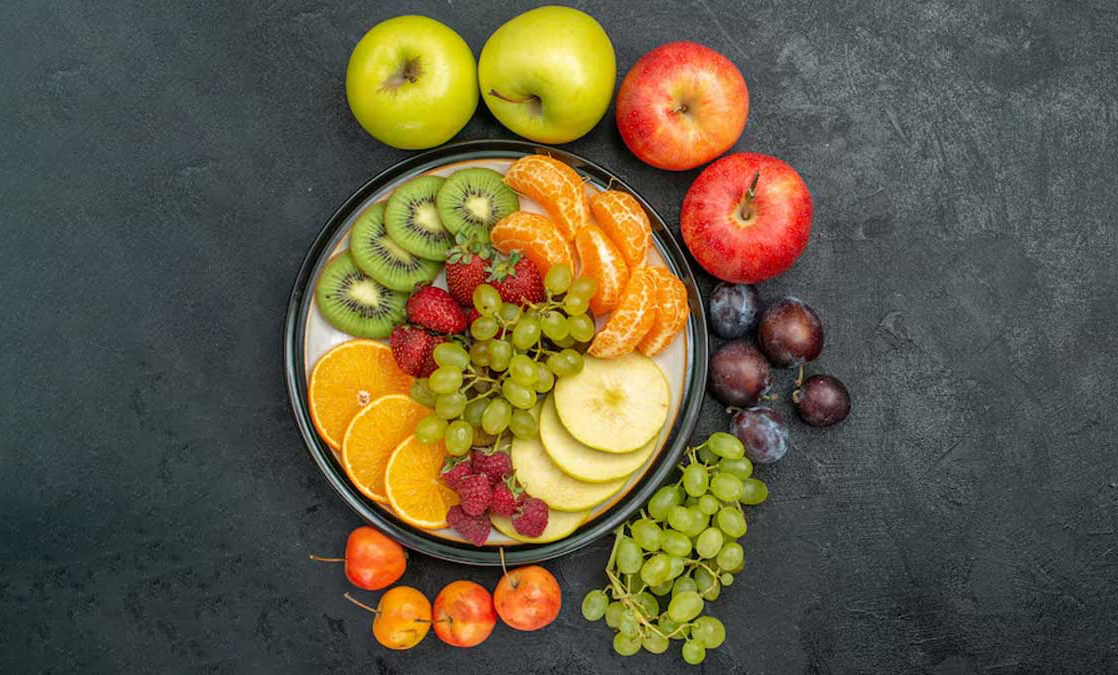 |
Photo: Onlymyhealth |
Finally, the "red light" group consists of fruits with potassium content exceeding 250 mg per 100 grams. This group contains significantly high potassium, requiring kidney patients to minimize or avoid consumption for safety. This list includes fruits like kiwi, longan, cherries, and cantaloupe, with potassium levels ranging from 250 mg to 290 mg. Common fruits such as banana, soursop, and durian have very high potassium levels, up to 330-450 mg, placing significant strain on kidney excretory function.
Beyond fresh fruit, patients also need to be cautious with dried fruits such as dried persimmon, raisins, and dried longan. Due to the dehydration process, the potassium content in these foods becomes highly concentrated. For example, dried longan can contain up to 1,200-1,300 mg of potassium, many times higher than when fresh. Similarly, fresh fruit juices also pose risks because preparing mot glass of juice often requires a large amount of fruit, leading to concentrated potassium levels. Additionally, the lack of fiber during juicing causes the body to absorb potassium more quickly, leading to dangerous complications for kidney patients.
Most notably on the list is starfruit, a fruit that is directly toxic to kidney failure patients. Starfruit contains a neurotoxin that the kidneys of affected individuals cannot excrete. Eating starfruit can lead to severe poisoning symptoms such as hiccups, vomiting, seizures, or even deep coma. Patients must completely eliminate this fruit from their diet.
To effectively control potassium intake, expert Lin offers ba important principles for kidney patients. Thu nhat, patients should prioritize peeling and removing seeds when eating fruit, as these parts contain the highest concentration of minerals. Thu hai, prioritize eating whole fruit instead of drinking juice, using canned fruit syrup, or vegetable broth, because potassium is highly soluble in water. Cuoi cung, portion control is a key factor; even with low-potassium fruits, patients should only maintain mot to hai portions per day to prevent excessive potassium accumulation.
The expert also specifically notes that because each person's physical condition and blood test results differ, the safest approach is for patients to bring their test results to consult a dietitian for a personalized diet plan. Equipping oneself with the knowledge to choose the right type and quantity of fruit will help kidney patients sustainably protect kidney function while still enjoying the sweet taste of seasonal fruits.
By Binh Minh (Source: Sing Tao Headline)