At a workshop on developing traditional medicine healthcare tourism integrated with Southern Vietnamese cultural spaces on 17/9, experts suggested that traditional medicine could become a unique product if it combines treatment, healthcare, beauty, and local cultural experiences.
Discussing this, Dr. Do Tan Khoa, Director of the Ho Chi Minh City Hospital of Traditional Medicine, stated that the hospital aims to develop traditional medicine tourism into a "new growth pole", complementing specialized medical examinations and treatment, herbal medicine development, high technology, and digital transformation.
The model targets both domestic and international patients and tourists seeking health improvement and beauty. The hospital plans to develop five service groups: examination and treatment; skin care, anti-aging, beauty, and weight loss support; pain treatment and functional rehabilitation combining traditional and modern medicine; music therapy, duong sinh (traditional health practices), yoga, and meditation; and thread embedding for treating illnesses and enhancing beauty.
"With four axes of connection: institute-school, hospital-enterprise, hospital-hospital, and Vietnam-international, we believe we can combine the essence of traditional and modern medicine to create a new appeal for tourism", Dr. Khoa said.
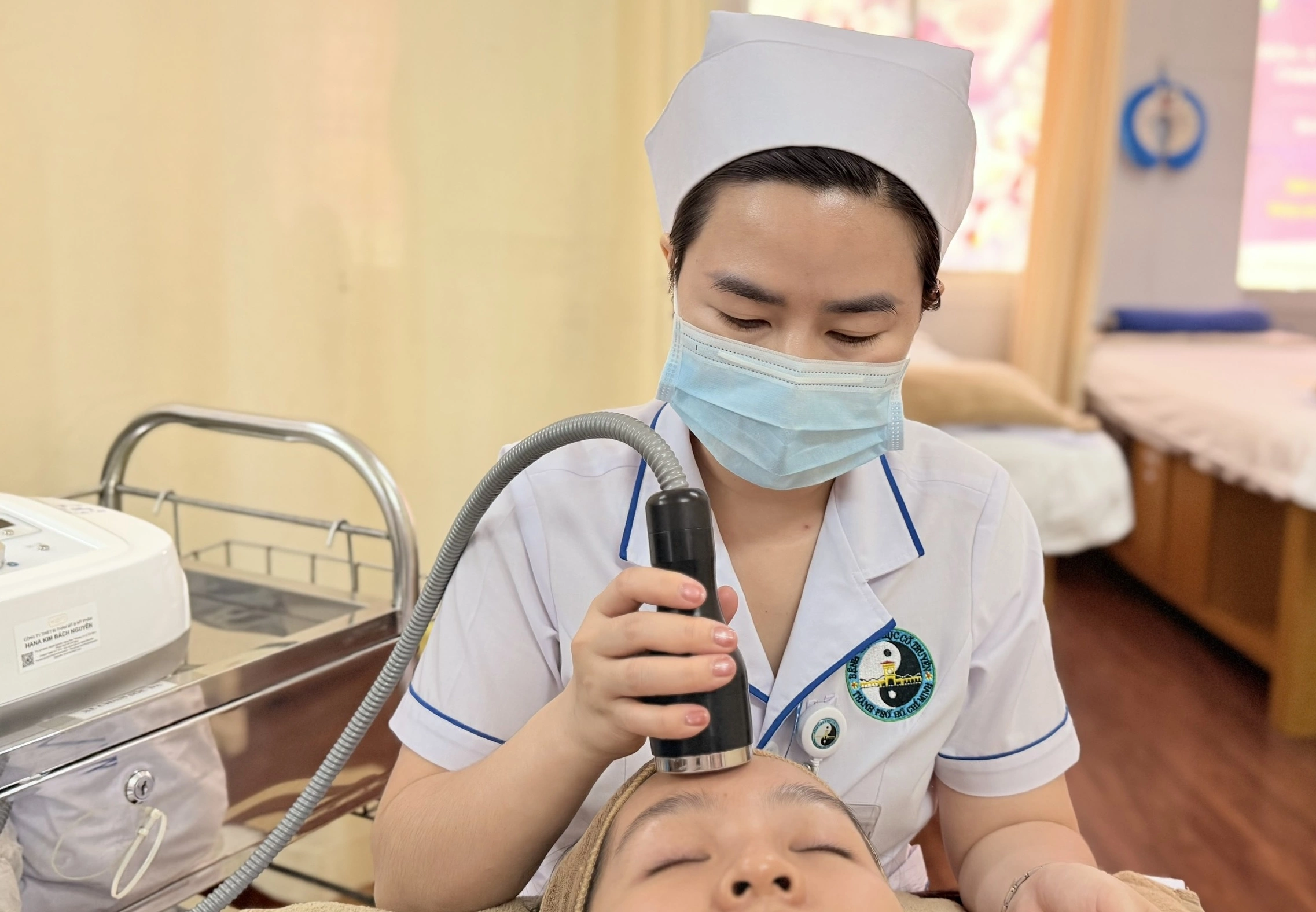 |
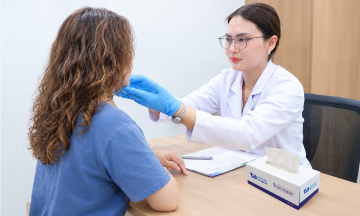
Skin care, beauty, and anti-aging treatments for patients at Ho Chi Minh City Hospital of Traditional Medicine. *Photo: Hospital provided* |
According to Dr. Nguyen Ky Xuan Nhi, Head of the hospital's Quality Management Department, the global medical tourism market is growing by approximately 23% annually. Vietnam's current medical tourism revenue reached about 700 million USD in 2024 and is estimated to increase to 4 billion USD by 2033. However, Vietnamese also spend approximately 2 billion USD each year for overseas treatment.
Many countries have leveraged indigenous medicine to develop tourism. China combines acupuncture, massage, tai chi, medicinal cuisine, and duong sinh (traditional health practices); India develops multi-day care packages that integrate treatment, diet, exercise, meditation, and relaxation; Thailand incorporates massage, herbs, steam baths, and traditional therapies into resorts and medical spas.
"Vietnam should not merely copy models from other countries but needs to find its own unique characteristics; the easiest factors to differentiate are culture, indigenous knowledge, and herbal resources", Dr. Nhi said.
He suggested that Southern Vietnam could create a distinct impression due to its natural ecosystem, herbal resources, and unique culture, including three world biosphere reserves and the art of don ca tai tu (Southern Vietnamese folk music). Local herbs such as mu u seeds and basil could be combined with acupuncture, thread embedding, duong sinh (traditional health practices), and medicinal cuisine to create unique experiences, while also personalizing certain skin and body care regimens based on individual health conditions. However, these methods need to be standardized, appropriately indicated, and their effectiveness evaluated through scientific research.
According to Dr. Trinh Hoai Nam, "wellness tourism" is booming after the Covid-19 pandemic, as consumers are increasingly interested in physical and mental recovery. Vietnamese traditional medicine has many advantages, but to create lasting appeal, services need to be standardized and closely linked with the tourism industry.
Le Phuong