Dr. Nguyen Trong Thuy, former head doctor for the Vietnam National and U23 Football Teams, cautions against a common misconception: that thorough cooking guarantees food safety. He explains that for certain spoiled or degraded foods, typical cooking temperatures cannot completely destroy pre-existing toxins. He highlights two common foods that should never be consumed, as doing so significantly increases the risk of poisoning and can severely damage organs like the liver and kidneys.
Sprouted or green potatoes
Potatoes improperly stored often sprout or develop green patches on their skin. This indicates a significant increase in glycoalkaloid content, primarily solanine and chaconine. These toxic compounds are highly heat-resistant, meaning standard cooking methods like boiling, steaming, frying, or stir-frying cannot completely eliminate the toxins, especially when levels are elevated.
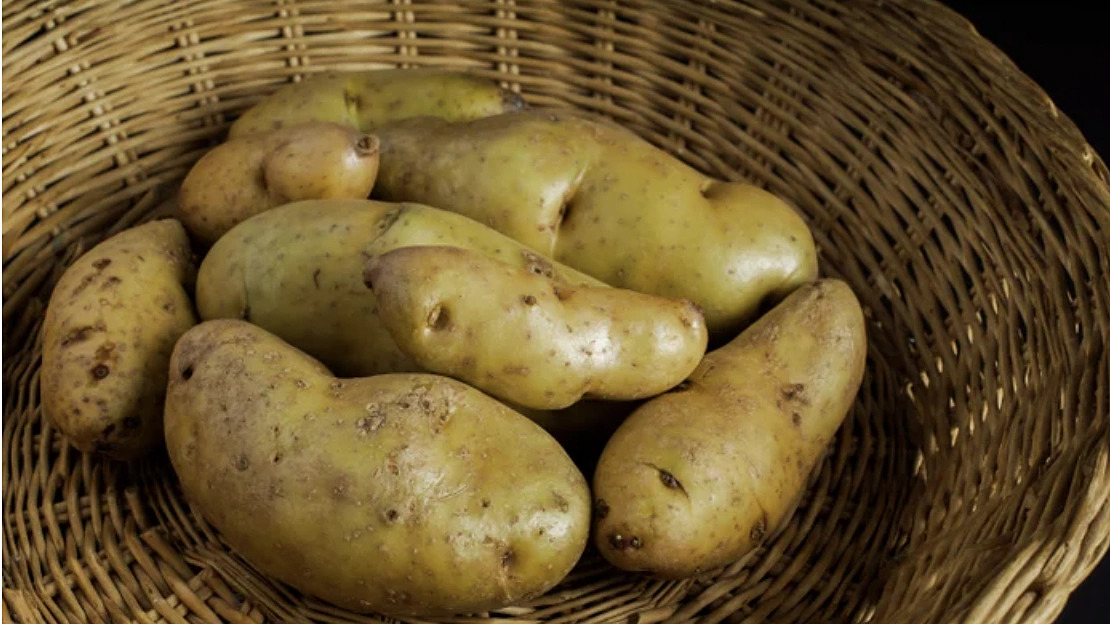 |
Sprouted or green potatoes should not be eaten. *Illustration: Doctor provided*.
Consuming potatoes rich in solanine can lead to nausea, vomiting, abdominal pain, and diarrhea. Severe poisoning may manifest as neurological symptoms such as headache, dizziness, and confusion, requiring immediate medical attention.
Even if sprouts are removed or the green skin is peeled, toxins may have already spread throughout the potato's flesh. Therefore, if potatoes show significant sprouting or pronounced green discoloration, it is best to discard the entire potato.
To prevent potatoes from sprouting or turning green, store them in a dry, cool, and dark place, away from direct sunlight. Avoid storing potatoes with onions, as this can accelerate spoilage and sprouting.
Moldy dried wood ear or snow fungus
Dried wood ear and snow fungus are prone to mold growth if exposed to dampness. It is important to note that not all mold produces bongkrekic acid. Bongkrekic acid is a toxin generated by certain bacteria (Burkholderia gladioli pv. cocovenenans) under specific conditions, often linked to improperly fermented or soaked foods.
Nevertheless, any dried wood ear or snow fungus displaying mold is unsafe for consumption. Such moldy products can harbor various other microbial toxins that conventional cooking temperatures cannot completely eliminate.
If food shows signs of mold, a sour or rancid smell, sliminess, or unusual discoloration, discard the entire item. Do not attempt to salvage it by cutting off the visibly spoiled parts.
To minimize mold risk, store these items in airtight containers or bags after opening. Food-grade desiccants can be used. Keep them in a dry, cool place, away from direct sunlight. In hot, humid conditions, they can be stored in the refrigerator's crisper drawer, but they must be sealed tightly. Always use dry hands or utensils when handling the food.
When soaking dried wood ear or snow fungus, rehydrate only the amount needed for one meal and prepare it immediately after it has expanded. Avoid soaking these items for extended periods at room temperature, especially in warm weather, as this creates an ideal environment for microbial growth and elevates food safety risks.
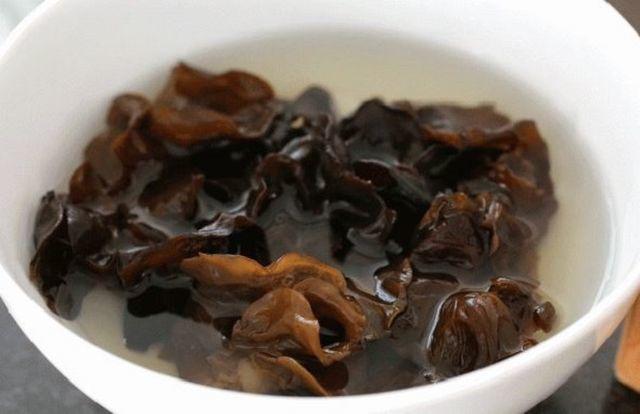 |
Moldy wood ear requires caution. *Illustration: Doctor provided*.
Experts advise that the safest approach for food showing signs of spoilage or mold is complete disposal. Attempts to salvage such food by cutting off damaged parts or cooking it thoroughly do not guarantee the elimination of toxins and can pose significant health hazards.
Thuy Quynh