Retirement planning typically rests on three conditions: the individual remains healthy enough to work until the planned age, accumulated funds are not withdrawn prematurely, and the ability to live independently post-retirement. A prolonged health issue can either delay retirement or compel an individual to retire early. Therefore, preparing for retirement from the age of 40 should involve a comprehensive health protection strategy, not just financial accumulation. Key health issues to consider include:
Blood pressure, blood sugar, and blood fat
High blood pressure, diabetes, and dyslipidemia can progress silently for many years without obvious symptoms. Once discovered after a major event like a stroke, heart attack, or kidney damage, individuals may face long-term treatment, reduced work capacity, and dependence on caregivers.
This risk is particularly relevant for middle-aged individuals who are overweight, have a large waist circumference, are sedentary, smoke, consume excessive alcohol, or have a family history of cardiovascular disease and diabetes. Maintaining a regular work schedule does not guarantee that metabolic indicators are within a safe range.
From age 40, everyone should know their basic health indicators: blood pressure, weight, waist circumference, blood sugar, and blood fat. The frequency of check-ups depends on previous results, existing medical conditions, and a doctor's advice. If medication has been prescribed, it is crucial to continue treatment rather than stopping it when feeling well. Financial planning should also allocate funds for regular check-ups, medications, and the ongoing management of chronic conditions.
 |
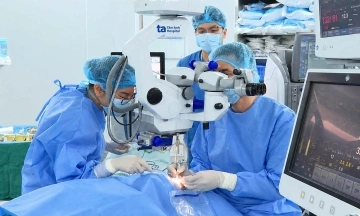
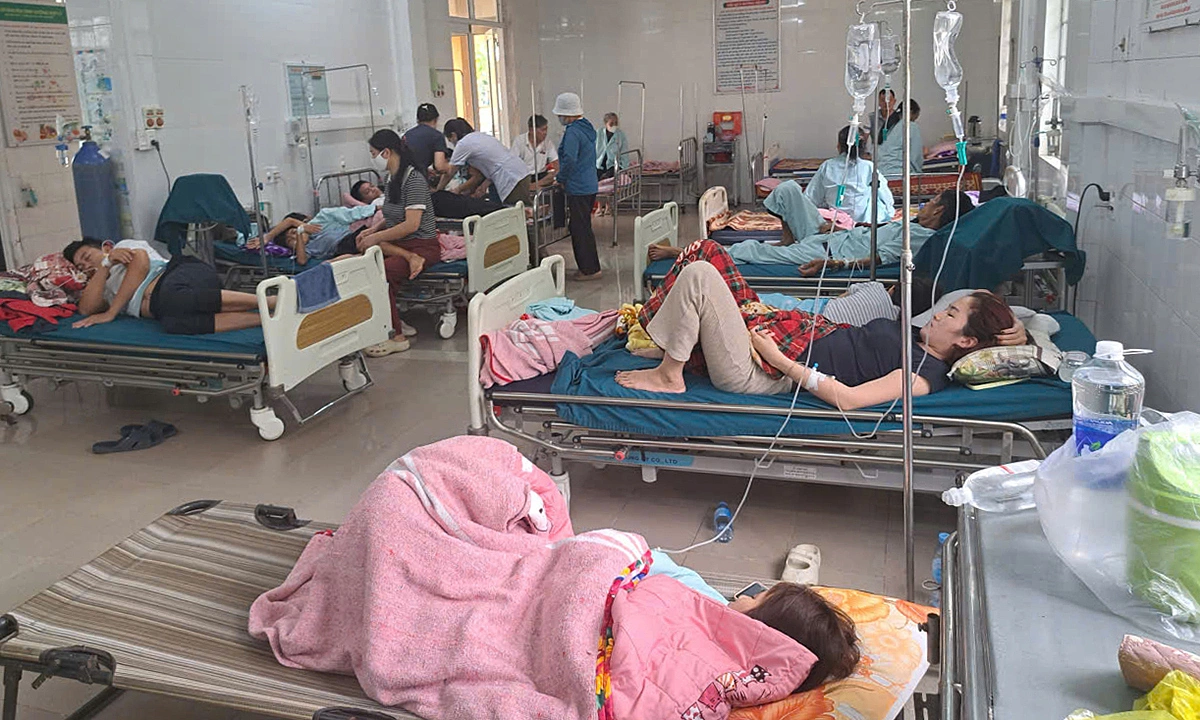
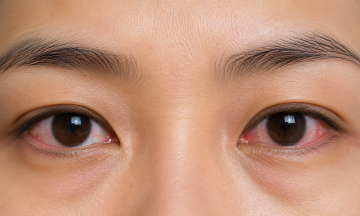
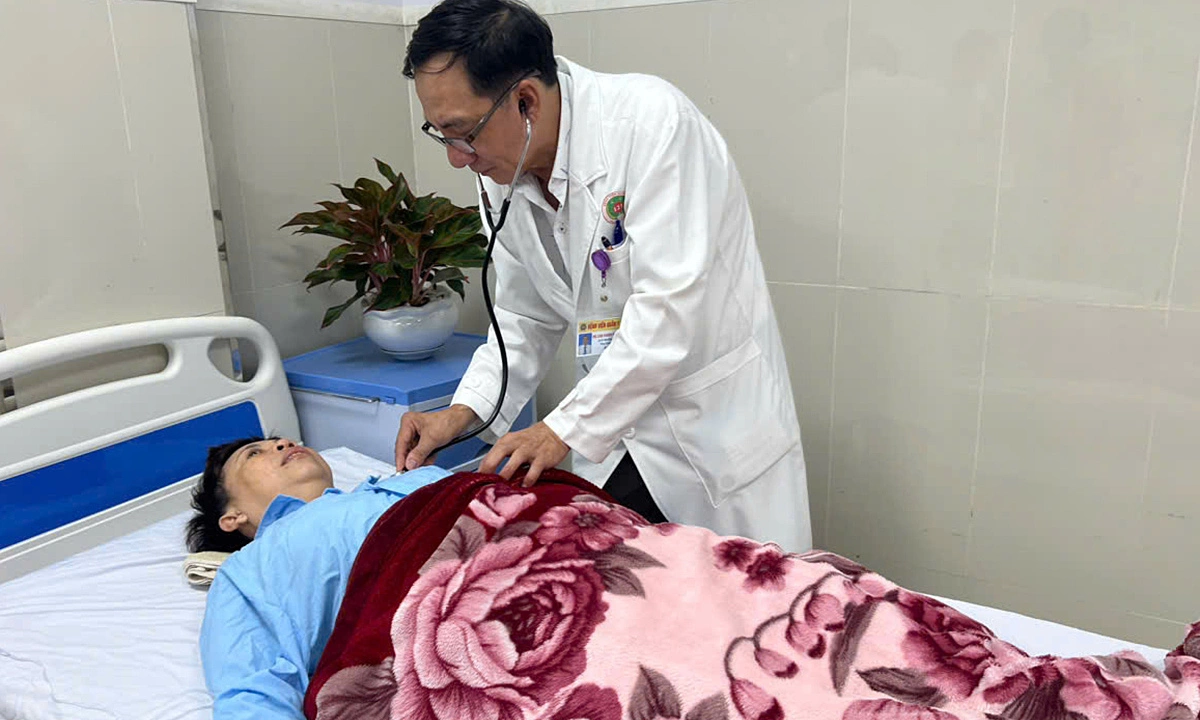
Health, treatment costs, and the ability to live independently are factors to consider when preparing for retirement. Illustration: Vecteezy
Late-stage cancer diagnosis
According to Globocan 2024 estimates from the International Agency for Research on Cancer, Viet Nam records approximately 177,400 new cancer cases and over 111,000 deaths annually. Cancer treatment can be extensive, involving time off work, travel expenses, recovery periods, and caregiving costs. These expenditures can quickly deplete family savings or necessitate changes to retirement plans.
Early detection does not mean undergoing as many tests as possible. Individuals should undergo screenings based on their age, gender, family history, and personal risk factors. Common screening programs often considered include those for cervical, breast, colorectal, and lung cancer in eligible groups. A doctor will help select appropriate screening methods and intervals.
Persistent symptoms such as unexplained weight loss, unusual bleeding, the appearance of new lumps, a persistent cough, or changes in bowel habits warrant immediate medical examination. Individuals should not wait for their next routine check-up if symptoms worsen.
Muscle loss and musculoskeletal diseases
While a retirement fund may cover basic living expenses, plans can still falter if an individual loses the ability to walk, cook, shop, or care for themselves independently. Age-related loss of muscle mass and strength, back pain, osteoarthritis, and osteoporosis can all restrict mobility. Falls or bone fractures can also lead to extended treatment and recovery periods.
The US National Institute on Aging states that age-related muscle and strength loss is a significant contributor to physical decline in older age. Strength training helps maintain muscle, while balance exercises reduce the risk of falls. Preparation should begin when the body is still healthy enough to establish these habits.
Middle-aged individuals can incorporate endurance, strength, and balance exercises weekly, gradually increasing intensity based on their physical condition. Their diet needs to provide sufficient energy, protein, and micronutrients. Persistent joint pain, limb weakness, a reduction in height, or a history of fractures from minor impacts are reasons to seek medical evaluation for further assessment.
Insomnia and declining mental health
Chronic sleep deprivation impacts concentration, work performance, and the management of chronic diseases. The US Centers for Disease Control and Prevention indicates that adults who sleep less than 7 hours per night report higher rates of issues such as heart attack, asthma, and depression. If fatigue is prolonged, individuals may need to reduce their work intensity earlier than anticipated.
Mental health also requires preparation for the transition out of work. The WHO notes that reduced income, a loss of purpose post-retirement, loneliness, and decreased social connections are factors that can affect mental well-being in older age. Someone who only prepares financially but has not envisioned their post-retirement lifestyle may feel a sense of emptiness upon losing their work routine and familiar relationships.
Beyond adjusting sleep schedules and limiting late-night alcohol and caffeine, individuals should proactively develop alternative activities to work, such as exercise, learning new skills, caring for family, meeting friends, or participating in community groups. Sleep difficulties lasting over three months, loud snoring accompanied by apnea, daytime sleepiness, or persistent anxiety or sadness warrant professional assessment.
Infectious diseases
An episode of influenza, pneumonia, shingles, or another infectious disease can force an individual to take time off work, require hospitalization, and prolong recovery. With increasing age or existing conditions like heart disease, lung disease, or diabetes, the consequences of an infection can be more severe. After a period of hospitalization, some individuals may also experience reduced physical fitness, making it difficult to return to their previous activity levels.
The WHO in 2025 emphasizes that adult vaccination plays a crucial role in achieving healthy aging goals, maintaining quality of life, and reducing the burden on healthcare systems. Individuals from age 40 should review their vaccination records rather than waiting until old age. Necessary vaccines depend on age, underlying medical conditions, occupation, place of residence, travel plans, and previous vaccinations.
Depending on the specific case, a doctor may recommend vaccines for influenza, Covid-19, pneumococcal disease, shingles, hepatitis, HPV, tetanus, or dengue fever. Vaccination does not replace managing underlying conditions, maintaining a healthy diet, exercising, and undergoing regular health check-ups. It is an integral part of a preventive plan to mitigate the risk of treating a preventable illness.
Retirement plans should be reviewed annually, or after a new diagnosis, alongside one's health record. In addition to a living expenses fund, families need to consider insurance, easily accessible medical contingency funds, and support options if an individual temporarily loses their ability to work. The objective is not merely to accumulate enough money to stop working, but also to maintain mobility, self-care capabilities, and the freedom to choose one's lifestyle in the years ahead.
Compiled by Van Ha