Tim, a 35-year-old Australian, underwent a vasectomy in 2016. He later married Hoai, 34, and moved to Vietnam to pursue having more children. He visited a hospital where he underwent testicular sperm extraction (TESE) for in vitro fertilization (IVF); however, all three attempts were unsuccessful. The couple then opted for donor sperm and successfully conceived a child through IVF.
Driven by a desire for a biological child, Tim visited Tam Anh General Hospital in Ho Chi Minh City earlier this year. Master of Science, Doctor Le Dang Khoa, from the Center for Reproductive Assistance, explained that Tim's 10-year vasectomy, combined with a history of multiple sperm retrieval attempts, presented a low probability of a successful reversal. Prior testicular interventions could lead to tissue fibrosis, damaging the testicles and impairing sperm production. With his wife approaching 35, facing a risk of rapidly declining ovarian reserve, waiting for the vas deferens to reconnect would further diminish their chances of conception.
Doctor Khoa recommended microsurgical vasectomy reversal for Tim, aiming for natural conception. This was combined with micro-epididymal sperm aspiration (MESA) to retrieve sperm from the epididymis for future in vitro fertilization. This "2-in-1" procedure also offered the patient cost savings and a quicker recovery, allowing him to return home sooner.
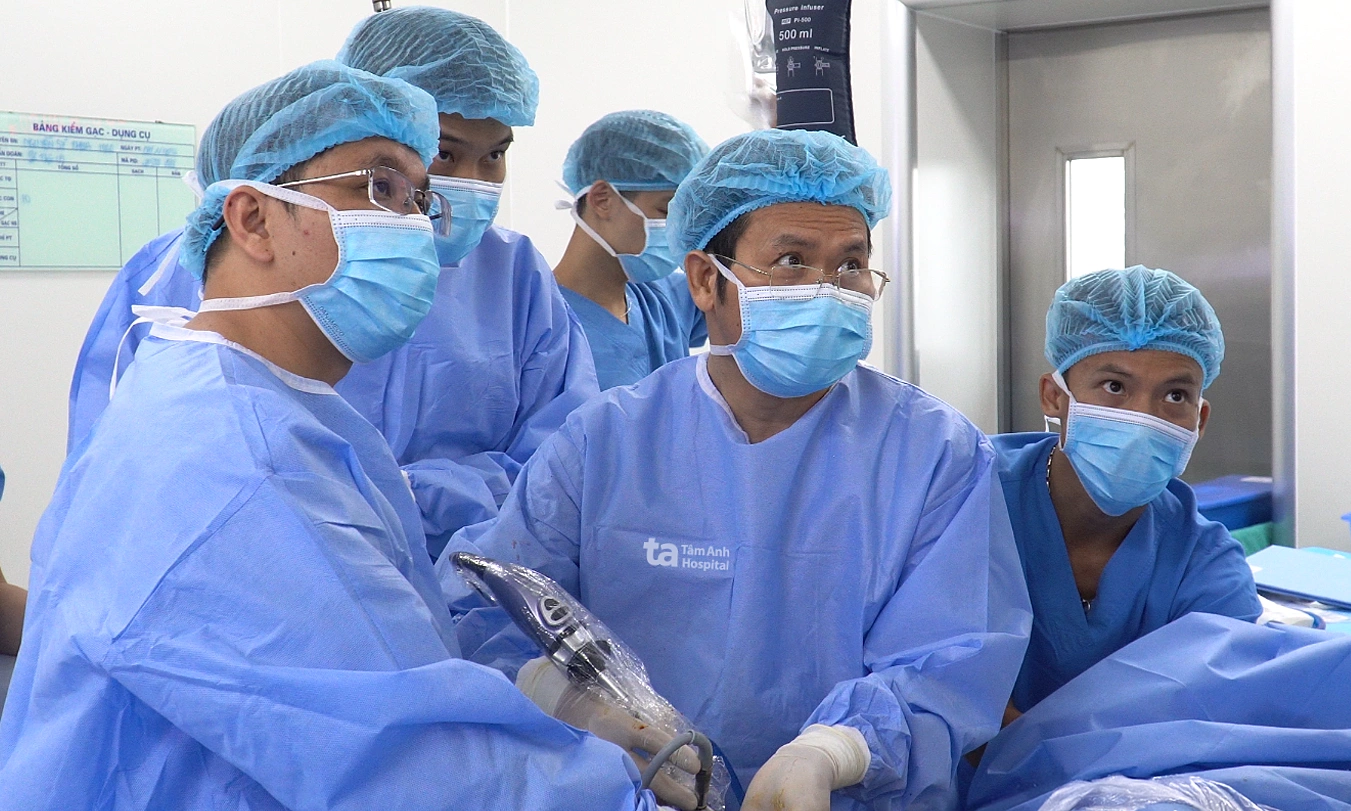
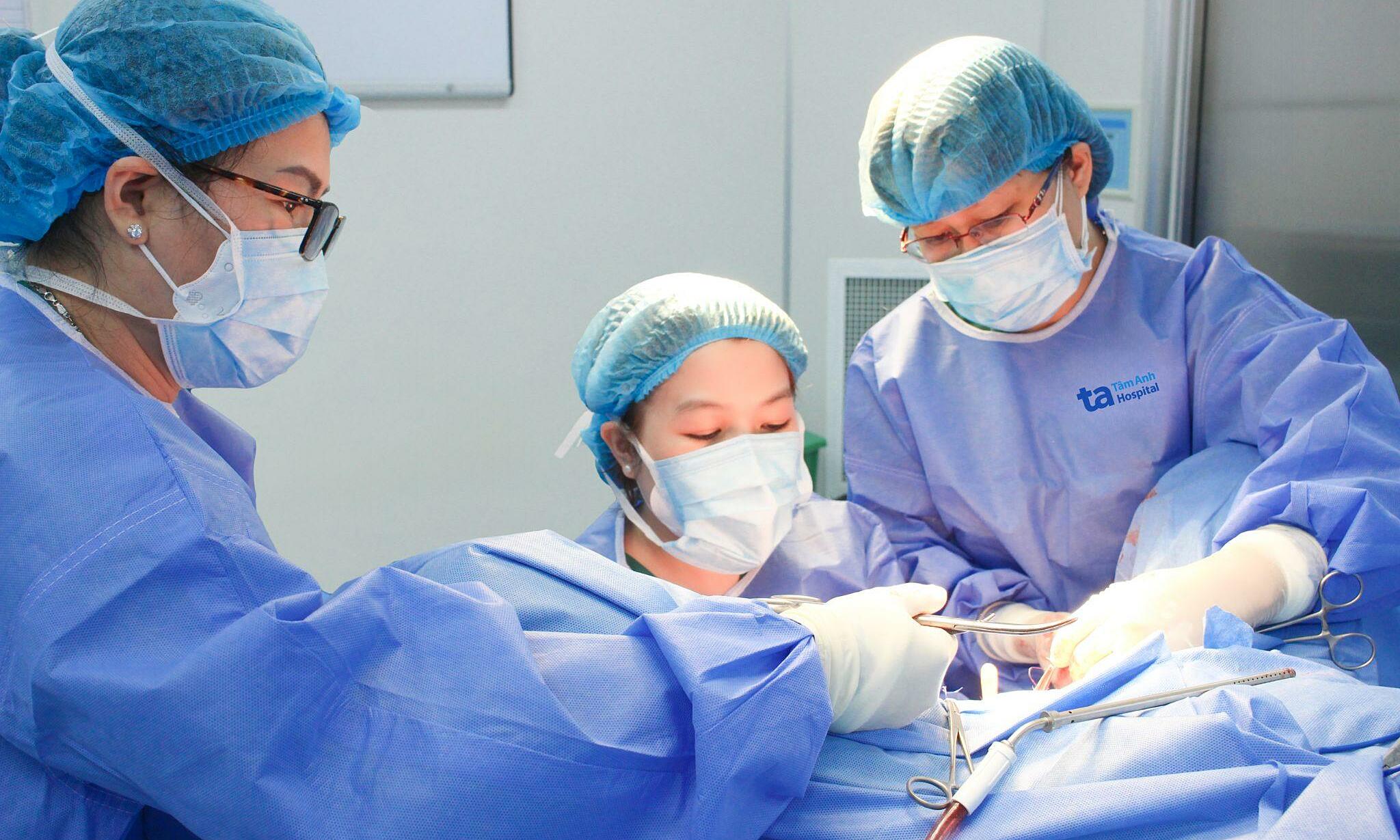
Under a microsurgical microscope with 30x magnification, Doctor Khoa identified potential epididymal tubules, collected fluid, and transferred it to the lab. Embryologists successfully retrieved and cryopreserved sufficient sperm for two future IVF cycles. Following this, Doctor Khoa located and separated the two ends of the previously ligated vas deferens, removed the fibrotic section, and reconnected them using microsutures.
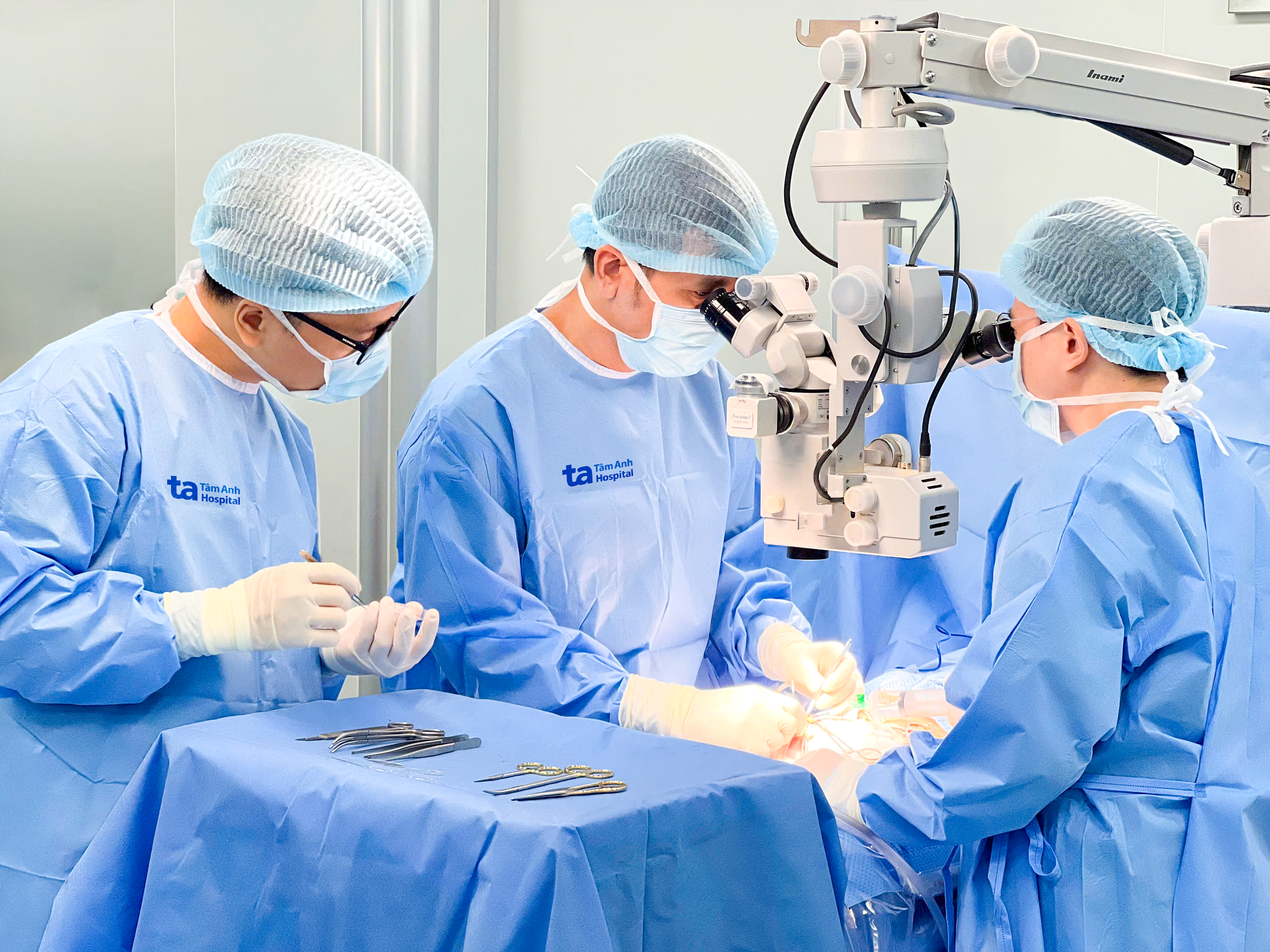 |
Doctor Khoa (center) performing the "2-in-1" surgery for vasectomy reversal and sperm retrieval. *Photo: Tam Anh General Hospital* |
The 90-minute surgery was successful, and Tim was discharged one day later. Approximately one month post-surgery, he is expected to undergo a semen analysis. Depending on the recovery of his sperm production and vas deferens patency, Doctor Khoa will advise on natural conception or proceeding with IVF using the cryopreserved sperm.
Vasectomy and vasectomy reversal are two distinct procedures for male fertility control. Doctor Khoa advises patients to carefully consider vasectomy before undergoing the procedure and to consider sperm cryopreservation as a precautionary measure.
If men wish to have children again, beyond vasectomy reversal, they can opt for testicular sperm aspiration for in vitro fertilization. Doctors will recommend appropriate methods based on individual cases, as repeated interventions (such as TESE) can damage the testicles, diminish sperm production, and decrease testosterone levels, impacting male reproductive health and overall "performance" later in life.
Dinh Lam
* Character's name has been changed