This information was shared by Doctor Vu Thi Thanh, CEO of Anh Sang International Eye System, at an event on 15/8. Doctor Thanh noted that smartphones, computers, and electronic devices are now indispensable for young people's studies, work, and entertainment. However, excessive use of these devices, especially for long periods and at night, negatively impacts eye health.
Prolonged screen time forces the eyes to constantly adjust focus on a close distance. Additionally, people tend to blink less, making the eye surface prone to dryness, strain, irritation, redness, or blurred vision. High daily usage of electronic devices, particularly among children and adolescents, is also linked to an increased risk and progression of myopia.
Another concern is that over-reliance on phones and electronic devices can lead many to use them late into the night, resulting in difficulty sleeping, late bedtimes, and insufficient sleep. Lack of sleep prevents eyes from getting enough recovery time after a day's work. Insufficient sleep can cause tired, dry, heavy, red eyes, and difficulty concentrating the next day. If this continues, overall eye health can be affected.
 |
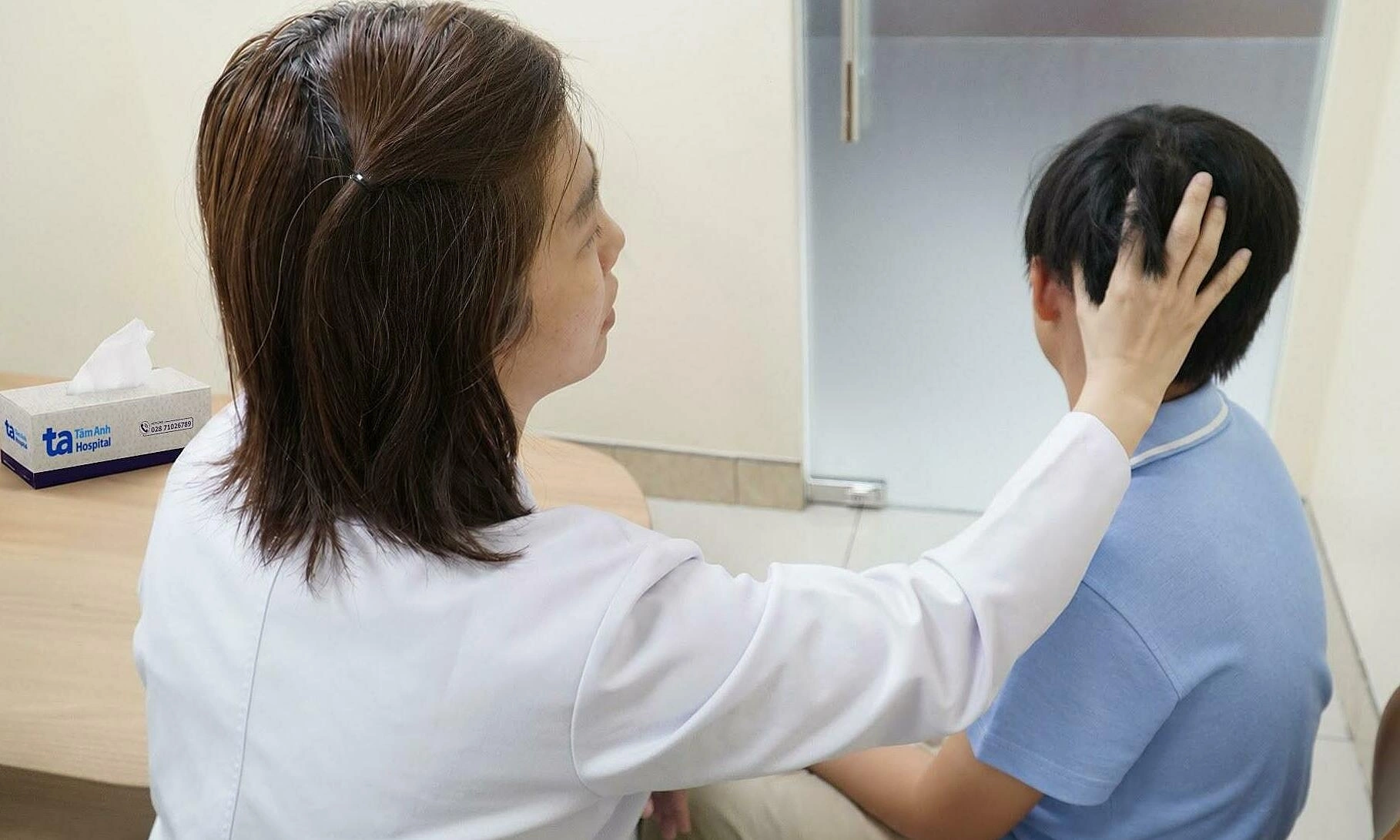
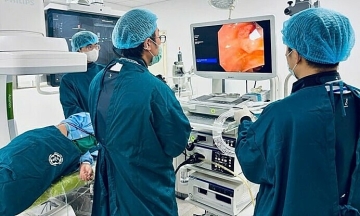
Doctor Thanh speaking at the event. *Photo: Phuong Thuy*. |
Doctor Dao Minh Duc, an ophthalmology specialist, noted that myopia is increasingly common in children, especially in Asian countries. The rising prevalence of myopia is a significant concern not only for ophthalmology but also for public health.
He stated that over the past 5-10 years, alongside the rapid development of the medical field and ophthalmology, perceptions of myopia have changed significantly. Myopia is no longer seen merely as a refractive error requiring glasses; high myopia, in particular, is now approached as a chronic condition needing long-term monitoring, control, and treatment.
This is crucial because higher myopia increases the risk of complications related to the structure of the eyeball and retina in adulthood. Individuals with severe myopia may face risks such as: retinal degeneration, retinal tears or detachment, macular issues, cataracts, and glaucoma. Therefore, the goal of myopia management is not just to help children see clearly with glasses, but also to limit its progression and reduce the risk of severe myopia in the future.
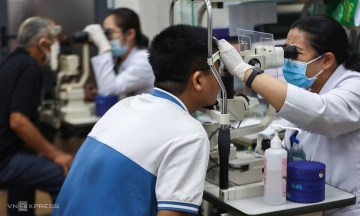
Instead of only detecting myopia when a child struggles to see the board and then prescribing glasses, myopia management needs a more proactive approach, including: early detection, regular eye exams, monitoring changes in refraction and axial length, and applying appropriate myopia control methods when necessary.
Controlling myopia from childhood is an investment in long-term eye health. For parents, understanding myopia correctly is the first step to protecting their children's vision. Myopia should not be viewed as a simple problem that is "solved by wearing glasses". Especially in children, if myopia continues to progress rapidly, an ophthalmologist should evaluate and monitor it to determine appropriate intervention.
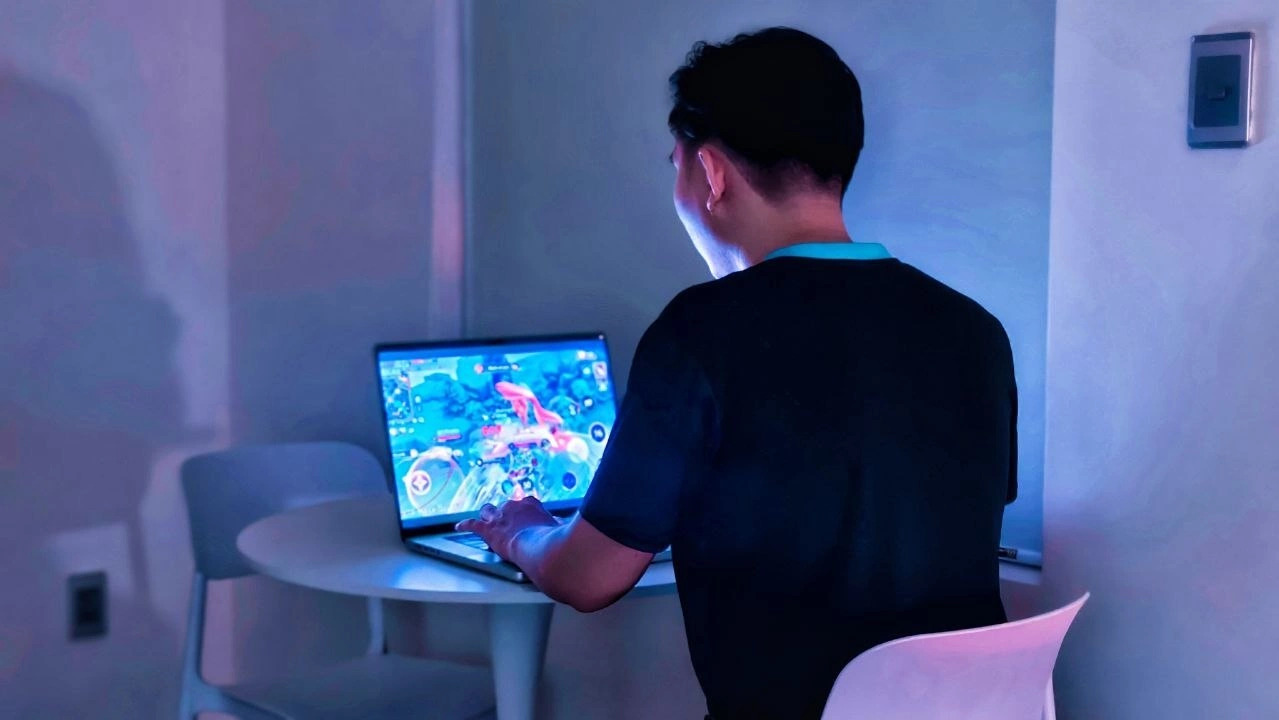 |
Prolonged phone or computer use causes many harmful effects on the eyes. *Illustration: Minh Anh*. |
Experts recommend establishing habits of sufficient sleep and limiting phone and computer use before bedtime. It is important to create a habit of regular eye rest. When working or studying with computers or phones, the 20-20-20 rule can be applied: after about 20 minutes of screen time, rest your eyes for 20 seconds and look at an object about 20 feet (approximately 6 meters) away.
Additionally, actively blink frequently, about 20 times during each break, to help spread the tear film evenly across the eye surface and reduce dry eyes. If eyes feel tired, close them for a short rest, adjust screen brightness appropriately, and maintain a reasonable distance when using devices.
If eyes are frequently dry, irritated, or uncomfortable, artificial tears or suitable eye moisturizing products can be used as directed by a doctor or pharmacist. Specifically, if symptoms like blurred vision, eye pain, prolonged redness, or changes in vision occur, a specialized eye examination is recommended for assessment and specific advice.
Thuy Quynh