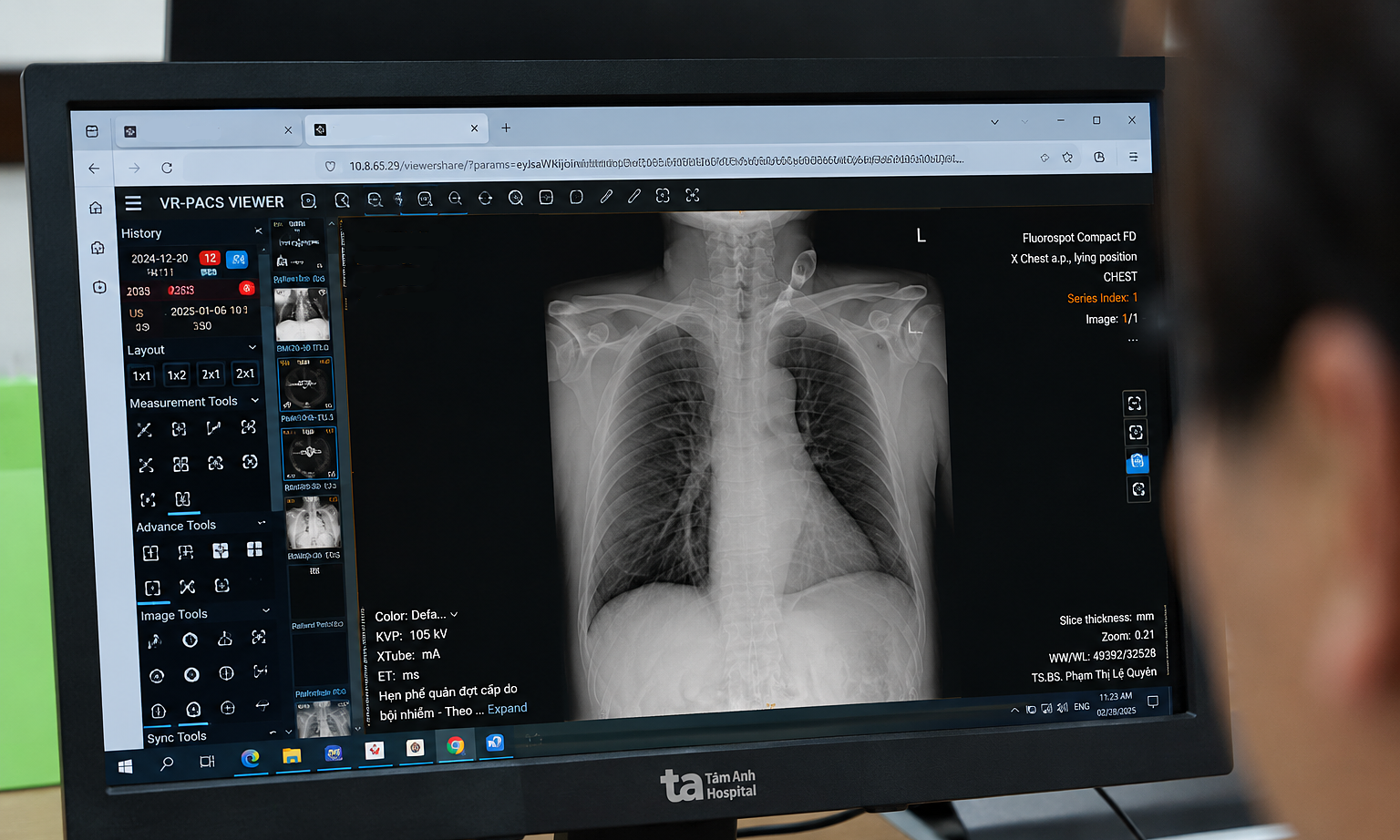
Neurological symptoms can signal various conditions affecting the brain, spinal cord, or nervous system. Common conditions include: hemorrhagic stroke, ischemic stroke, dementia, memory impairment, parkinson's disease, and meningitis.
Individuals frequently experiencing the following symptoms should seek medical attention for examination, diagnosis, and timely treatment to reduce the risk of complications.
Persistent headaches: While headaches can be a neurological condition themselves, they may also indicate serious underlying issues such as stroke, brain tumors, or meningitis. As brain tumors grow within the fixed cranial cavity, they increase intracranial pressure and compress nerves, leading to headaches. Headaches from stroke or brain tumors can be accompanied by fever, nausea or vomiting, weakness, double vision, and loss of consciousness. The longer blood flow is disrupted, the more severe the damage and pronounced the symptoms.
Numbness or tingling: Hand numbness or tingling can indicate nerve inflammation or damage. Ischemic stroke, which causes brain damage due to insufficient oxygen, can also lead to prolonged hand numbness. These sensations sometimes result from diabetic neuropathy, multiple sclerosis, or other neurological conditions.
Vision changes: Brain tumors compressing the optic nerve can cause noticeable vision changes. Additionally, this can be a sign of stroke or multiple sclerosis.
Confusion or cognitive changes: Dementia, alzheimer's disease, or memory impairment disrupt an individual's ability to recall and process information, leading to confusion, disorientation, and behavioral changes. Furthermore, brain tumors and epilepsy can negatively impact the nervous system, reducing concentration and altering cognition.
Loss of muscle strength or stiffness: While some instances of muscle weakness and joint stiffness are age-related, a sudden loss of strength in the arm can indicate a stroke. Parkinson's disease is a movement disorder where nerve cells in certain brain regions begin to die. Individuals with parkinson's disease often experience joint stiffness, hand tremors, weakened joints, and loss of balance.
Tremors: If you notice uncontrolled tremors in your hands, head, mouth, or other body parts, or experience sudden, severe tremors, seek medical attention. These are often signs of multiple sclerosis, parkinson's disease, or stroke.
Loss of balance or poor coordination: Frequent loss of balance or poor coordination often results from brain impact, increasing the risk of falls. This can be a sign of stroke, multiple sclerosis, brain tumors, or parkinson's disease.
Slurred speech: Speech changes, such as stuttering or difficulty speaking, are signs of a stroke and require immediate examination and diagnosis. Additionally, facial nerve palsy (cranial nerve seven) can cause a crooked mouth, affecting speech.
Seizures: These are primarily signs of epilepsy, meningitis, traumatic brain injury, brain tumors, and stroke.
Anh Chi (According to Health, WebMD)
| Readers can submit questions about neurological conditions here for doctors to answer. |