Pneumonia is a common respiratory infection where air sacs in the lungs become inflamed, filling with pus or other fluids. The illness often begins with mild, non-specific symptoms, easily mistaken for a common cold or flu. The following are signs that the condition is worsening and require attention.
Cough, high fever
As the disease progresses, patients may experience a fever of around 39 degrees Celsius or higher, and their cough may transition from dry to severe, accompanied by yellow, green, or bloody phlegm. These are significant indicators of pneumonia, leading to breathing difficulties. Severe pneumonia impairs oxygen and carbon dioxide exchange, making daily activities challenging and affecting quality of life.
Chest pain
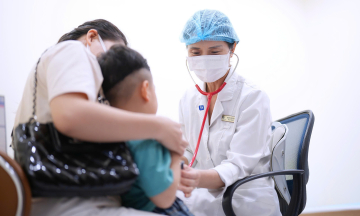
If a patient experiences a cough and fever accompanied by severe or dull chest pain on both sides of the chest, they should seek medical attention. The pain often intensifies with deep breaths, potentially signaling a serious infection.
Blue-tinged lips, fingernails, and toenails
Blue or purple discoloration of the lips, fingernails, and skin is a dangerous sign of pneumonia. This condition often results from prolonged breathing difficulties, leading to insufficient oxygen supply to the body's tissues. Patients should seek medical attention promptly for diagnosis and timely treatment to prevent complications.
Confusion
In severe pneumonia cases, particularly in older adults, confusion and altered mental states frequently occur. This symptom typically stems from insufficient oxygen reaching the brain and declining lung function. Patients often find it difficult to climb stairs, carry light objects, experience forgetfulness, lack concentration, and may even lose their appetite.
Vomiting
Pneumonia patients may experience abdominal pain, leading to nausea and occasional vomiting. If these symptoms accompany difficulty breathing and fever, seek immediate medical care, as the condition can rapidly worsen.
To reduce pneumonia risk, individuals should practice good personal hygiene. Regularly wash hands with soap and water, maintain oral hygiene, get vaccinated against pneumonia, and avoid close contact with sick individuals. A healthy lifestyle, including a balanced diet and regular exercise, strengthens the immune system. Avoiding smoking also protects lung and overall health.
By Le Nguyen (Source: Times of India)
| Readers can submit questions about respiratory illnesses here for a doctor's answers. |