African swine fever is a contagious disease affecting pigs. Infected pork can carry the African swine fever virus. This virus does not transmit to humans, but contaminated meat is susceptible to additional bacterial infections such as Salmonella, E. coli, or Streptococcus suis, which can cause illness in people.
Doctor Le Xuan Luat from Tam Anh Cau Giay General Clinic stated that children's intestines are more delicate than those of adults. Their intestinal mucosal barrier is underdeveloped, offering less resistance to bacteria and toxins, making them vulnerable to unsafe food. The small intestine contains many villi that aid in nutrient absorption. Bacterial toxins can inflame and swell these villi, reducing the absorption of iron, zinc, vitamins, protein, and fats. The intestinal microbiota can also easily become imbalanced, affecting digestion and immunity.
Even cooked, pork contaminated with the disease can lead to food poisoning and intestinal mucosal damage in children. High temperatures can kill bacteria, but some toxins may persist. Toxins and bacteria from infected meat can disrupt the intestinal microbiota, causing food poisoning within hours. Children may experience acute digestive disorders such as cramping abdominal pain, vomiting, frequent diarrhea throughout the day, accompanied by fever and fatigue.
In severe cases, bacteria from the intestines can penetrate the mucosal barrier, enter the bloodstream, and cause sepsis. In such instances, children exhibit persistent high fever, lethargy, pale skin, cold hands and feet, rapid heartbeat, and rapid breathing, requiring immediate hospitalization for treatment.
 |
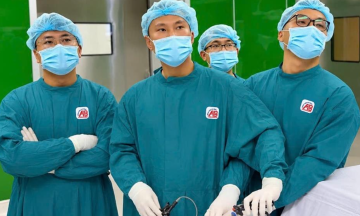
A doctor examines a child showing symptoms of digestive disorders. *Illustration: Tam Anh Cau Giay General Clinic* |
According to Doctor Luat, not all children who consume infected pork will show obvious symptoms. The symptoms depend on the amount of meat consumed, the extent of bacterial contamination, the child's immunity, and the preparation method. Bacterial damage to the intestinal lining can progress subtly, lasting for weeks to months. Children might continue to eat normally, without abdominal pain or diarrhea, but after a few weeks, vague symptoms such as fatigue, pale skin, slow weight gain, frequent minor illnesses, and reduced concentration may appear. If not detected and managed correctly, this condition can persist and contribute to chronic digestive disorders later in life.
Doctor Luat advises that if children are suspected of having consumed infected pork, parents should seek medical attention if symptoms such as reduced concentration, pale skin, mild anemia, slow weight gain, easy bloating, early satiety, or digestive disorders appear. A doctor may order blood tests to assess micronutrient deficiencies, stool tests, or more in-depth investigations to evaluate intestinal mucosal inflammation and the microbiota.
The intestinal lining has the ability to regenerate, but it requires time and favorable conditions. A diet rich in easily digestible protein, supplemented with probiotics, soluble fiber, vitamins, and minerals, plays a crucial role in supporting the recovery process.
Thanh Ba