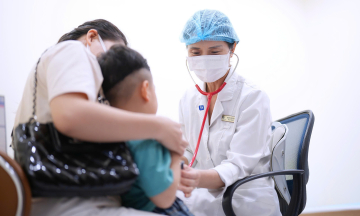
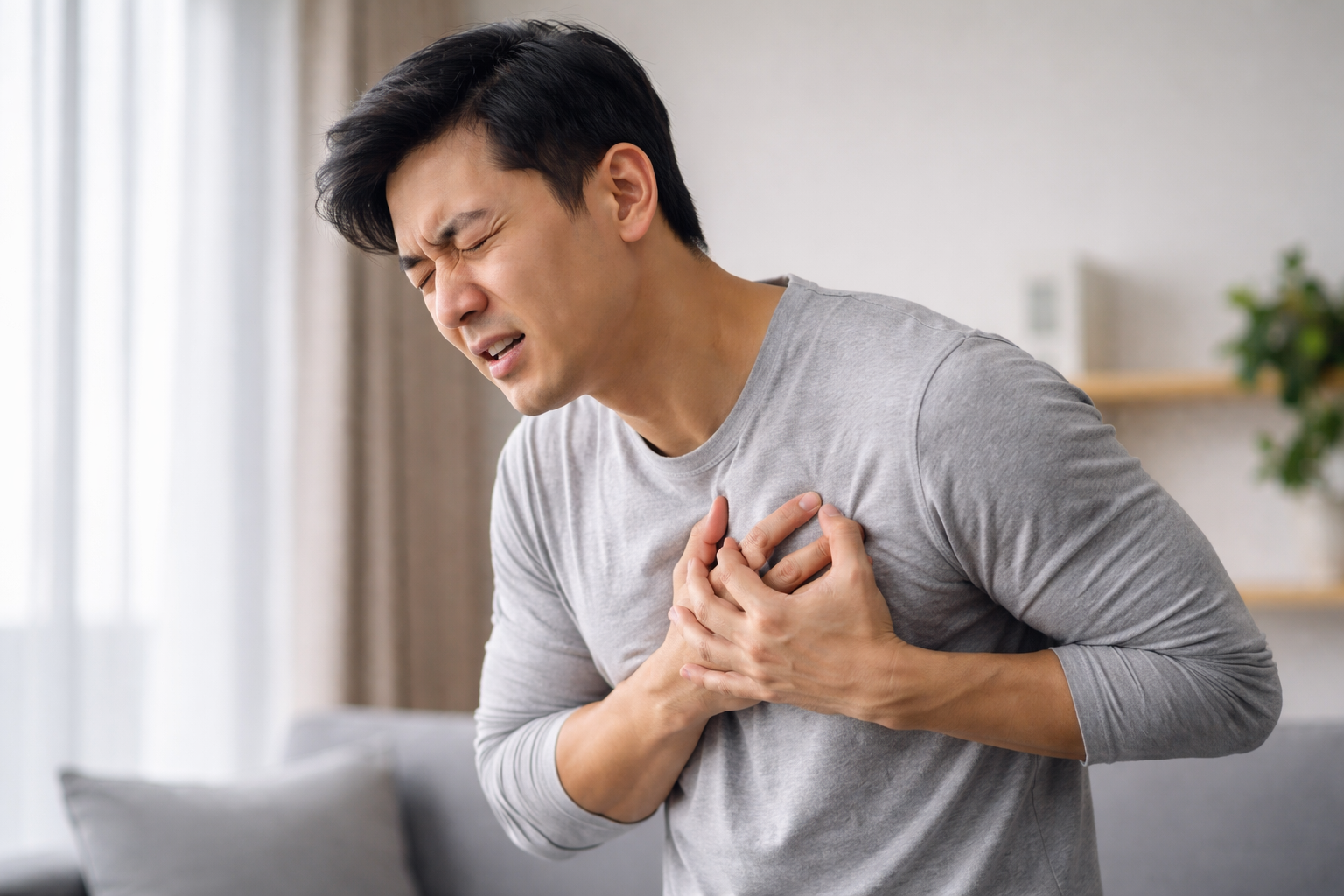
The body needs iron to produce hemoglobin in red blood cells, which helps transport oxygen from the lungs to tissues and organs. Iron also plays a role in energy production, immune support, and maintaining muscle function, helping prevent anemia. Iron deficiency can cause fatigue, pale skin, dizziness, and a rapid heartbeat.
Adults need approximately 10-18 mg of iron daily, depending on gender and health status, to produce red blood cells and maintain bodily functions. The following are common mistakes that can affect the body's iron absorption process.
 |
Relying solely on plant-based iron sources is a common pitfall. Heme iron, found in animal products like poultry, fish, and meat, is more easily absorbed. In contrast, non-heme iron is found in plant foods such as spinach and lentils. Vegetarians who consume only plant-based foods and do not supplement their iron daily may develop chronic iron deficiency.
Everyone should enhance iron absorption by consuming vitamin C-rich foods alongside iron sources. Citrus fruits, strawberries, bell peppers, tomatoes, and broccoli are suitable choices. Vitamin C helps convert iron into a form that is more easily absorbed by the body.
Consuming strong tea or coffee immediately after meals hinders iron absorption. Both coffee and tea contain tannins and polyphenols, substances that bind with iron and reduce its absorption in the intestines. You should consume these beverages one hour before or after meals. If you wish to drink something warm after a meal, herbal teas like chamomile or peppermint are safe alternatives.
|
Overlooking gut health issues can also impede iron absorption. Conditions such as gastritis, celiac disease, or irritable bowel syndrome (IBS) can reduce the ability to absorb nutrients, including iron. Long-term use of antacid medications also lowers stomach acid, which is essential for iron breakdown and absorption. Individuals experiencing frequent bloating, abdominal distension, constipation, or prolonged fatigue despite normal eating habits should check their iron levels and digestive health. Iron deficiency anemia is also common in perimenopausal women.
A diet high in processed foods can contribute to iron deficiency. Processed foods, white starches, and fast food often lack the minerals necessary for healthy blood. Everyone should eat a diverse diet by adding green leafy vegetables, legumes, eggs, and lean meat.
Always carry iron-rich snacks to eat when hungry between meals. Pumpkin seeds or sesame seeds, and dried fruits like dried apricots or raisins, provide a good amount of iron. Some cooking methods can affect the iron content in food. For example, steaming vegetables retains more iron content than boiling.
By Le Nguyen (According to Times of India)
| Readers can submit nutrition questions here for doctor consultation. |