A stroke does not always begin with obvious signs, such as collapsing or slurred speech. In fact, people often dismiss many early signs, mistaking them for fatigue, stress, or age. However, early recognition can help save lives and reduce the risk of permanent brain damage. Below are some early signs frequently overlooked.
Sudden numbness or tingling in the face or limbs
A stroke can begin with a sensation of numbness or tingling, especially on one side of the body. This condition often appears in the face, arm, or leg and does not quickly disappear like typical temporary numbness. It occurs due to an interruption of blood flow to the brain region that controls sensation.
Sudden confusion or difficulty speaking
If you or a loved one suddenly experiences slurred speech, difficulty expressing thoughts, or cannot understand what others are saying, it is more than just feeling hazy. This sign may indicate damage to the brain's language area and requires immediate emergency medical attention.
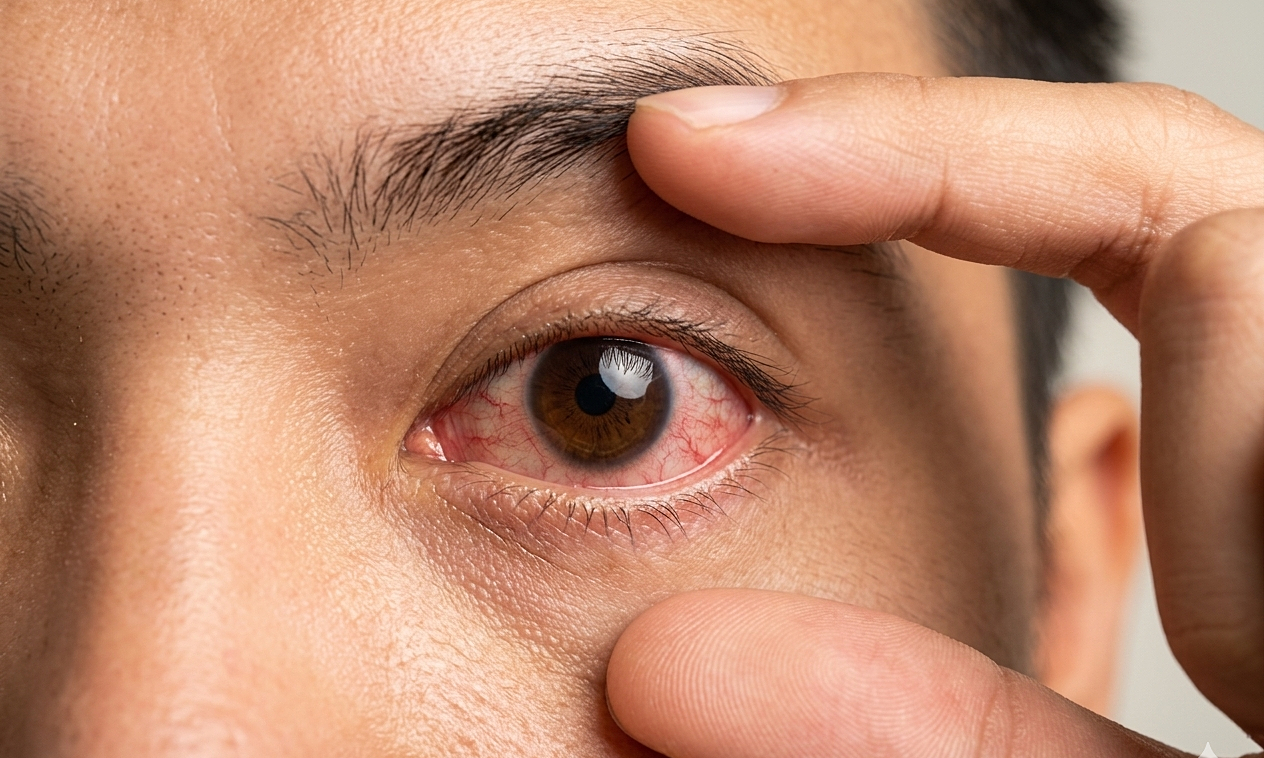
Blurred vision or vision loss
Many people attribute blurred vision to excessive phone use or stress. However, if vision suddenly blurs, darkens, or is lost in one eye without pain, it could be an early sign of a stroke.
Sudden dizziness or loss of balance
Feelings of dizziness or unexplained staggering are not always due to an inner ear problem or sudden changes in posture. A stroke can affect the cerebellum, the region that controls balance, making it difficult to stand steadily or move normally.
Severe, unusual headache
Headaches are a common symptom, but if the pain appears suddenly, is very strong, and has no clear cause, especially in someone without a history of headaches, caution is needed. This could be a sign of a hemorrhagic stroke, a brain bleed.
Difficulty walking, unusual clumsiness
Suddenly losing coordination, easily dropping objects, or feeling that your body is not responding as it should can indicate a problem in the brain's motor area.
Extreme fatigue or fainting
A feeling of extreme exhaustion, even after adequate rest, can be related to the brain not receiving enough oxygen. Some individuals may even faint or feel lightheaded but often overlook these symptoms.
A stroke can affect anyone, but several factors significantly increase the risk. Individuals with high blood pressure, diabetes, or dyslipidemia (abnormal lipid levels) often face a higher risk. Smoking, being overweight or obese, and a sedentary lifestyle also contribute to an increased likelihood of developing the condition. People aged 55 or older, or those with a family history of stroke or cardiovascular disease, should pay particular attention to unusual body signs.
Maintaining a healthy lifestyle can significantly reduce the risk of stroke. A balanced diet, limiting sugar and unhealthy fats, will help control risk factors effectively. Regular exercise improves circulation and cardiovascular health. Simultaneously, maintaining stable blood pressure and cholesterol levels, avoiding smoking, and managing stress also play important roles.
Bao Bao (According to Times of India)