


Tan experienced a persistent cough and initially thought it was a sore throat from drinking cold water. However, cold medicine did not help; instead, he felt bloating, heartburn, epigastric pain, nausea, and mild shortness of breath. Examination results showed no abnormalities in his lungs or pharynx, leading him to consult a gastroenterologist and nutritionist. Dr. Dao Thi Yen Thuy, First Degree Specialist, Head of the Department of Nutrition and Dietetics at Tam Anh General Hospital TP HCM, stated that Tan was suffering from congestive esophagitis due to gastroesophageal reflux.
The patient, measuring 1,74 m tall and weighing 55 kg, had a BMI of 18,1 kg/m2, indicating mild malnutrition. His muscle mass was significantly reduced and flabby, leading to weaker and slower movements than normal.
Body composition analysis using the Inbody 770 system revealed that Tan's skeletal muscle mass was reduced by approximately 15% compared to the standard level for his height. His body fat percentage was 11%, lower than the recommended level, indicating a lack of energy reserves and reduced immunity.
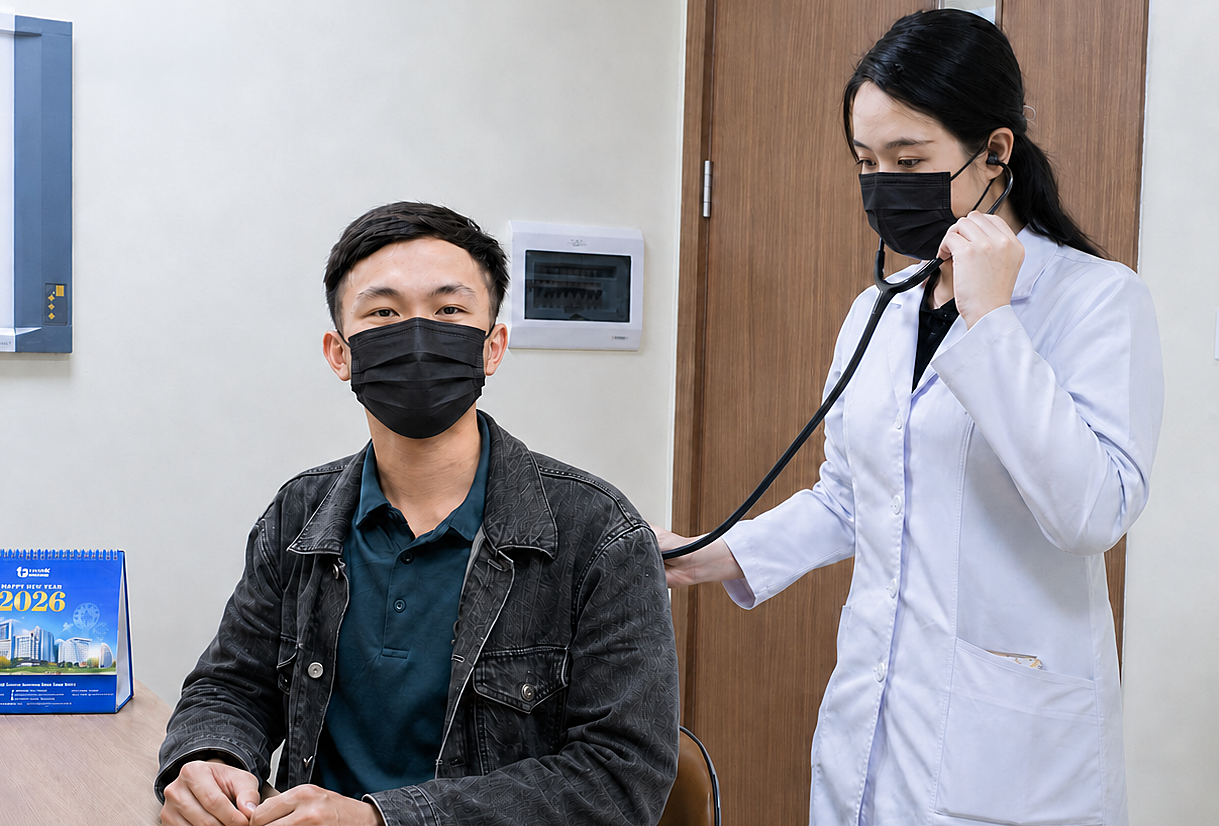 |
A respiratory specialist examining Tan. Photo: Tam Anh General Hospital |
Dr. Yen Thuy attributed Tan's esophagitis from gastroesophageal reflux to prolonged stress, lack of sleep, and poor nutrition. These factors increased stomach acid secretion outside the body's natural rhythm, causing digestive disorders. His habits of staying up late and consuming excessive coffee and energy drinks also weakened the lower esophageal sphincter, allowing stomach acid to reflux into the esophagus and pharynx. When this condition persists, the esophageal and pharyngeal lining gets damaged, easily causing coughs and hoarseness.
Dr. Yen Thuy explained that treatment with cough medicine or antibiotics is often ineffective if the underlying cause from the stomach is not addressed. Alongside medication for reflux, Tan received a personalized nutrition plan to restore his physical health.
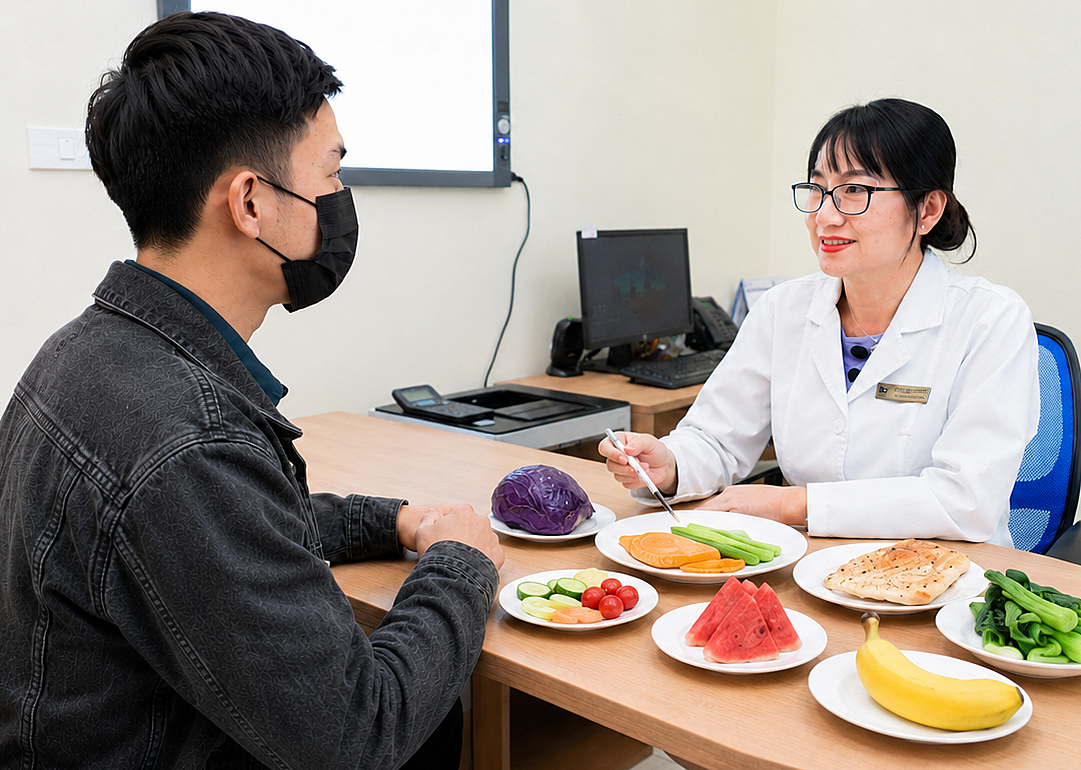 |
Dr. Yen Thuy explaining and advising on a diet plan to help Tan recover his health. Photo: Tam Anh General Hospital |
Specifically, Tan's diet gradually increased to an energy intake of approximately 2,000-2,200 kcal per day, primarily from carbohydrates (porridge, rice, pasta, noodles) and healthy fats like olive oil, sesame oil, and fish oil. Protein sources prioritized eggs, milk, fish, and lean meat. A variety of soft vegetables and less acidic fruits were added to aid in healing the damaged mucosal lining.
The doctor instructed Tan not to skip breakfast and to divide his food into five to six small meals per day to aid digestion. He was advised not to lie down immediately after eating, avoid late-night meals, sleep before 22h, get eight hours of sleep, and reduce his workload for body recovery. Additionally, he limited coffee and energy drinks to stabilize his daily rhythm.
After 10 days of treatment, Tan's dry cough, abdominal burning, and heartburn significantly improved. He reported gaining 1,5 kg and feeling better about eating.
According to Dr. Yen Thuy, gastroesophageal reflux disease is becoming increasingly common and affecting younger individuals, especially those with stressful jobs, late nights, and irregular eating habits. If left untreated, the condition can lead to chronic esophagitis, stomach ulcers, and vocal cord damage.
Individuals experiencing a persistent cough accompanied by heartburn, bloating, or epigastric pain should seek medical examination and appropriate treatment.
Quoc An
| Readers can send nutrition questions here for doctor's answers |


