light is a form of electromagnetic radiation that carries energy. human eyes perceive colors based on the wavelength of light. white light, such as sunlight, is a combination of many colors within the visible spectrum.
blue light, part of the visible light spectrum, can affect alertness, hormone production, and sleep cycles. this type of light is emitted by led lights, fluorescent lights, and various electronic devices like phones and computers.
according to Healthline, blue light affects circadian rhythms, impacting alertness and heart rate during the day. however, exposure to this light at night is detrimental to sleep, making it difficult for the body to relax.
circadian rhythm disruption
the eyes cannot block blue light. consequently, most blue light travels directly to the back of the retina, where the brain converts light into images.
the body's circadian rhythm, or natural sleep-wake cycle, depends on the color of light the eyes encounter. while black can create a sense of calm and relaxation, and warm yellow or orange hues provide a gentle feeling, blue light can hinder the body's preparation for sleep. blue light suppresses the secretion of melatonin, the hormone that induces drowsiness, which can disrupt the circadian rhythm.
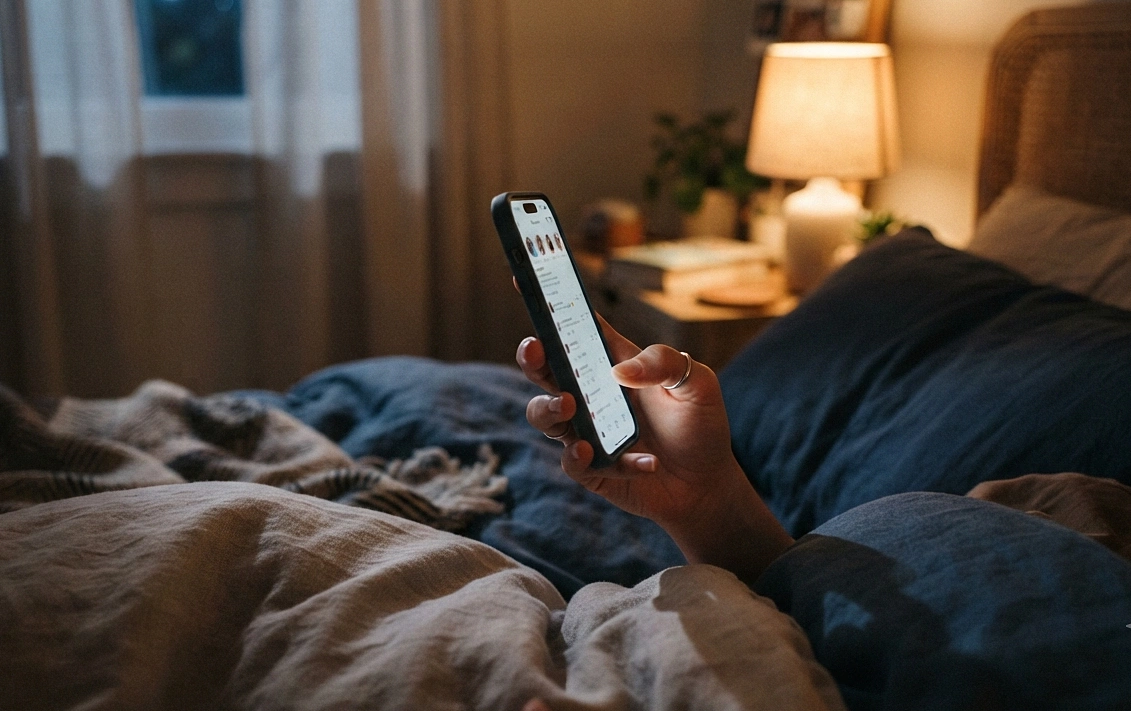 |
evening blue light exposure can affect sleep. photo created by AI |
unnecessary alertness
blue light stimulates brain regions associated with alertness, while also increasing body temperature and heart rate. during the day, blue light can enhance performance and concentration. however, it should be limited after dinner to regulate the circadian rhythm and promote better sleep.
fatigue
evening exposure to blue light can trick the brain into thinking it is still daytime, disrupting the circadian rhythm. this misalignment can lead to various adverse health effects, including fatigue, lack of concentration, an increased risk of inflammation and metabolic disorders, and mental health issues such as depression, according to WebMD.
to mitigate the negative effects of blue light in the evening, turn off or dim indoor led and fluorescent lights after dark.
if possible, consider purchasing specialized glasses that reduce blue light exposure, and limit television, phone, and computer use in the evening. if you enjoy reading in bed, use a lamp that emits red or orange light instead of blue light. dim electronic device screens or use the "night mode" feature available on some devices.
by Anh Chi (compiled)
| readers can submit questions about neurological diseases here for doctors to answer |