Cancer development is influenced by various factors, including genetics, gene mutations, obesity, diet, and lifestyle. A healthy, evidence-based diet can lower this risk, whereas high consumption of sugar and processed meats may accelerate cancer growth.
Foods to limit
Processed meats, such as those that are salted, smoked, or fermented, contain nitrates and nitrites. These can form carcinogenic compounds and are classified as Group one carcinogens. Adults should limit their intake of foods like bacon, sausages, and cured sausages to once a week or less to reduce the risk of colorectal cancer.
 |
Sausages undergo extensive processing and contain high levels of salt. *Anh Chi*
Red meat contains heme iron and other compounds that can promote tumor growth. High-temperature cooking methods like grilling or roasting produce carcinogenic compounds such as polycyclic aromatic hydrocarbons (PAH) and heterocyclic amines (HCA), which can negatively impact the liver and intestines. Deep-frying with excessive oil also creates potentially carcinogenic substances, particularly increasing the risk of stomach cancer.
Sugar and refined carbohydrates indirectly elevate cancer risk by contributing to obesity, inflammation, insulin resistance, and an increased risk of type 2 diabetes. These conditions create an environment conducive to cancer cell proliferation. Rapidly absorbed sugars from sweets and soft drinks offer empty calories and minimal nutrition, leading to nutritional imbalances and weakened immunity. Adult men should consume less than 37,5 g of sugar daily, equivalent to about 9 teaspoons. Adult women should limit their intake to under 25 g per day, or approximately 6 teaspoons. This total includes sugars found in food, beverages, and cooking ingredients.
Foods to eat
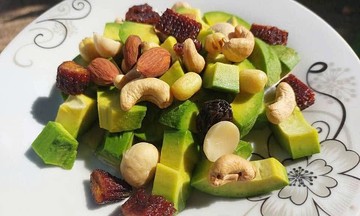
Regular consumption of whole grains, nuts, fruits, and vegetables helps to lower cancer risk.
Fruits and vegetables are rich in fiber, essential nutrients, and antioxidants, which combat inflammation, support healthy digestion, and inhibit the growth of cancer cells. Dark green, red, and orange vegetables, along with a variety of colorful fruits, are highly recommended for cancer prevention.
Nuts are packed with nutrients and antioxidants that offer cellular protection. Almonds provide vitamin E, fiber, and flavonoids that neutralize free radicals, helping to prevent breast cancer. Walnuts are rich in zinc, magnesium, and omega-3, which aid in fighting intestinal inflammation and reducing the risk of breast and colorectal cancers. Other nuts, such as cashews, flaxseeds, and chia seeds, also contain abundant omega-3, fiber, vitamins, and polyphenols, all contributing to overall health protection.
*Anh Chi (According to Very Well Health)*